# How Non-woven Flocking is Revolutionizing the Fashion Industry
In recent years, the fashion industry has undergone significant transformations driven by technological advancements and innovative materials. Among these breakthroughs, non-woven flocking stands out as a game-changer. This technique, known for its aesthetic appeal and versatile applications, is making waves across various segments of fashion, from high-end couture to everyday wear. In this article, we will delve into the intricacies of non-woven flocking, explore its benefits, and discuss how it is reshaping the fashion landscape.
## Understanding Non-woven Flocking
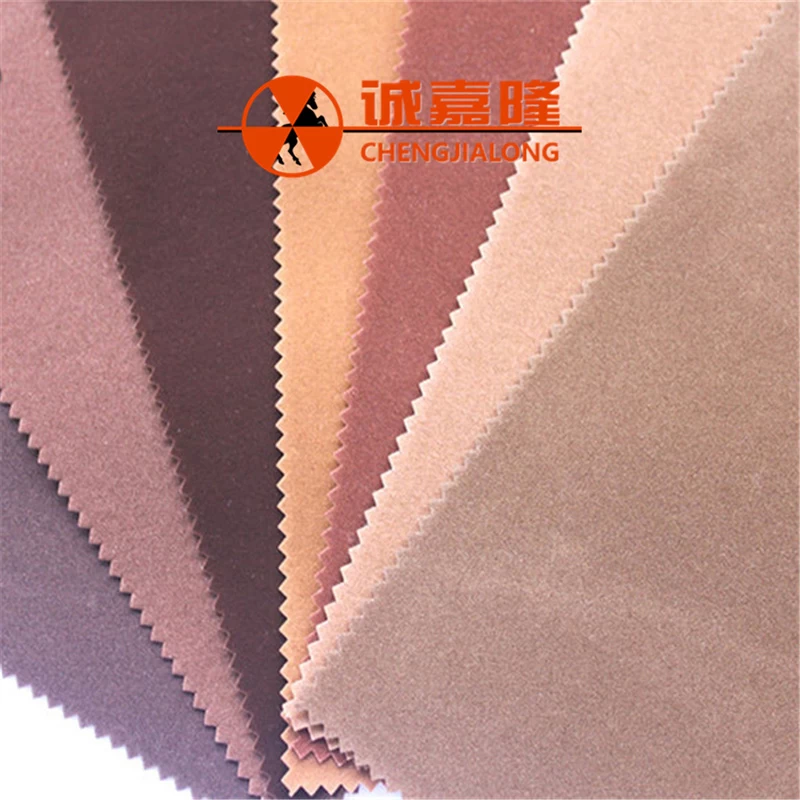
Non-woven flocking is a process that involves applying tiny fibers to a substrate, creating a plush, velvety surface. The fibers are often made from synthetic materials such as polyester or nylon, which are then fixed to a base fabric or surface using adhesive. Unlike woven fabrics, non-woven materials do not require interlacing threads but instead rely on bonding methods to hold the fibers in place. This results in a lightweight, flexible, and durable product that can be used in various fashion applications.
The flocking process can be done in various ways, including electrostatic flocking, where fibers are charged and directed onto a substrate, and mechanical flocking, where fibers are applied using adhesive sprays. Each method offers unique advantages, allowing designers to create different textures and effects based on their creative vision.
## The Benefits of Non-woven Flocking in Fashion
### 1. Versatility in Design
One of the most significant advantages of non-woven flocking is its versatility. Designers can use flocked materials to achieve a wide range of textures and finishes, from soft and luxurious to bold and edgy. This adaptability allows for innovative designs that cater to diverse market segments. For instance, non-woven flocking can be used to create intricate patterns and unique visual effects, enabling brands to stand out in a crowded marketplace.
### 2. Enhanced Aesthetic Appeal
The tactile quality of flocked surfaces adds depth and dimension to fashion items. The velvety texture can elevate the perceived value of products, making them more appealing to consumers. Whether it's a flocked handbag, footwear, or clothing, the added texture creates a sensory experience that resonates with buyers. Additionally, the ability to incorporate vibrant colors and intricate designs enhances the overall visual aesthetics, attracting attention and encouraging purchases.
### 3. Lightweight and Comfortable
Fashion trends often prioritize comfort alongside style. Non-woven flocking aligns with this demand by providing lightweight alternatives to traditional fabrics. The soft, plush finish of flocked materials feels comfortable against the skin, making them ideal for clothing and accessories worn for extended periods. This blend of style and comfort is particularly appealing to modern consumers who seek both functionality and fashion in their wardrobes.
### 4. Eco-Friendly Options
As sustainability becomes a crucial consideration in the fashion industry, non-woven flocking offers eco-friendly alternatives. Many manufacturers are now producing flocked materials using recycled fibers and sustainable adhesives, contributing to the reduction of waste. Moreover, non-woven fabrics can often be produced with less water and energy than conventional textiles, further minimizing their environmental impact. Brands that embrace sustainable practices through the use of non-woven flocking can appeal to environmentally conscious consumers, forging stronger connections and building loyalty.
### 5. Customization and Personalization
In today's fashion landscape, personalization is key. Consumers are increasingly seeking unique items that reflect their individual style. Non-woven flocking allows for customization options, enabling brands to offer tailored products. From personalized color schemes to custom designs, the flocking process can accommodate a variety of client needs. This level of customization not only enhances customer satisfaction but also fosters brand loyalty, as consumers feel a deeper connection to the products they purchase.
## Applications of Non-woven Flocking in Fashion
Non-woven flocking is being utilized across various segments of the fashion industry, enhancing products and creating new opportunities for innovation. Here are some notable applications:
### 1. Apparel
Flocked fabrics are increasingly popular in apparel design, from casual wear to high-fashion garments. Designers use flocked materials to create eye-catching textures and patterns, adding depth to everything from dresses and jackets to activewear. The ability to manipulate color schemes and textures allows for limitless creative possibilities.
### 2. Accessories
The accessory market has embraced non-woven flocking, with items like handbags, hats, and shoes showcasing this innovative material. Flocked leather bags, for instance, offer a luxurious feel while maintaining durability, making them a favorite among consumers. Similarly, flocked footwear provides both comfort and style, catering to the demands of fashion-forward individuals.
### 3. Home Fashion
Beyond clothing and accessories, non-woven flocking is making strides in home fashion. Upholstery fabrics adorned with flocked designs add sophistication to furniture and decor. The ability to create striking patterns and textures allows interior designers to craft unique spaces that reflect personal style and contemporary trends.
### 4. Footwear
Footwear brands are increasingly incorporating non-woven flocking into their designs. The lightweight nature of flocked fabrics makes them ideal for creating stylish and comfortable shoes. Moreover, the aesthetic appeal of flocked textures allows brands to differentiate themselves in a competitive market.
## Challenges and Considerations
While non-woven flocking presents numerous advantages, there are challenges to consider. For instance, the production process can be complex, requiring specialized equipment and expertise. Additionally, ensuring consistent quality and durability across batches is essential for maintaining brand reputation. As the industry evolves, addressing these challenges will be crucial for maximizing the potential of non-woven flocking.
## The Future of Non-woven Flocking in Fashion
As the fashion industry continues to evolve, non-woven flocking is poised to play a pivotal role. With increasing consumer demand for unique, high-quality products, brands that embrace this innovative technique will likely thrive. The combination of aesthetic appeal, comfort, and sustainability positions non-woven flocking as a cornerstone of future fashion design.
In conclusion, non-woven flocking is revolutionizing the fashion industry by offering designers unprecedented opportunities for creativity and innovation. Its versatility, aesthetic appeal, and potential for sustainability make it a powerful tool in crafting the next generation of fashionable products. As we move forward, the fusion of technology, art, and consumer desire will undoubtedly shape the future of fashion, with non-woven flocking at the forefront of this transformation.