# Sustainable Practices in Non-woven Flocking: A Green Approach
In today's rapidly evolving world, the need for sustainable practices has never been more pressing. As industries grapple with the consequences of climate change and resource depletion, they are increasingly turning to eco-friendly alternatives. One such area is non-woven flocking, a technique that has gained traction due to its versatility and aesthetic appeal. This article will explore sustainable practices in non-woven flocking, emphasizing how businesses can adopt a green approach while maintaining quality and efficiency.
## Understanding Non-woven Flocking
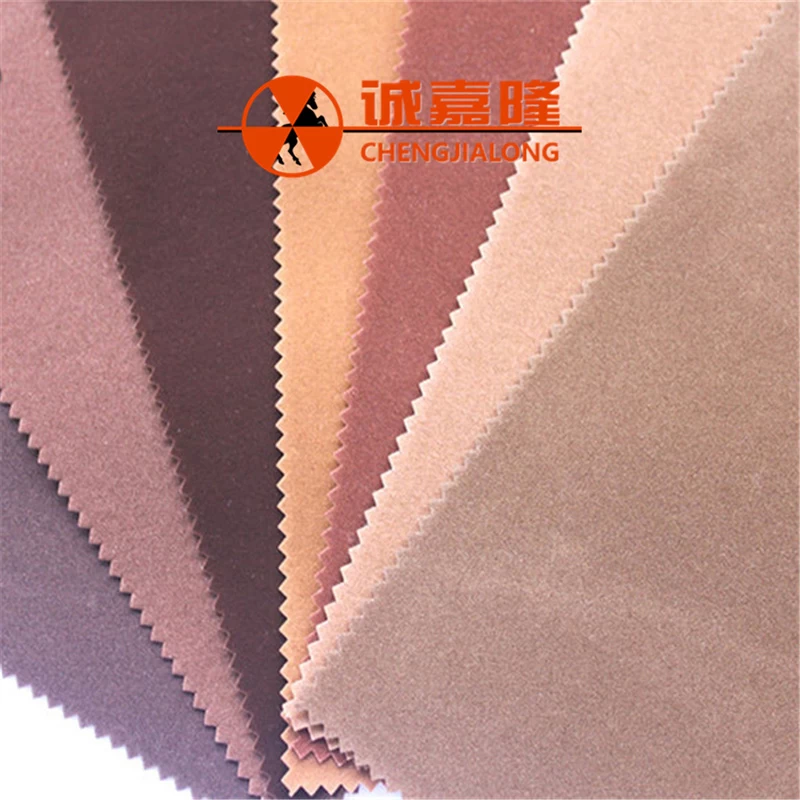
Before delving into sustainable practices, it’s essential to understand what non-woven flocking entails. Non-woven flocking is a process where short fibers, known as flock, are applied to a substrate to create a velvety texture. This technique is widely used in various applications, including upholstery, automotive interiors, and consumer goods. Its appeal lies in the soft touch, visual depth, and unique aesthetic it provides, often enhancing the overall product experience.
### The Environmental Impact of Non-woven Flocking
Historically, the non-woven flocking industry has faced criticism for its environmental footprint. Traditional flocking materials, often made from synthetic fibers, contribute to pollution and waste. Additionally, the production processes can consume significant energy and resources. However, as the demand for sustainable products rises, many companies are reevaluating their practices and seeking greener alternatives.
## Sustainable Materials
One of the most effective ways to cultivate sustainability in non-woven flocking is by choosing eco-friendly materials. Here are some considerations:
### 1. Biodegradable and Recycled Fibers
Using biodegradable or recycled fibers significantly reduces the carbon footprint of the flocking process. Manufacturers can source natural fibers like cotton, hemp, or bamboo, which decompose more readily than synthetic options. Moreover, incorporating recycled polyester or nylon can minimize waste and reduce reliance on virgin materials.
### 2. Water-based Adhesives
Conventional flocking processes often rely on solvent-based adhesives, which can release harmful volatile organic compounds (VOCs) into the environment. By switching to water-based adhesives, companies can significantly lower their emissions and create a safer work environment for employees. These adhesives also tend to have better bonding properties with eco-friendly substrates, improving the overall product quality.
### 3. Sustainable Dyes and Finishes
The dyeing process is another area where sustainability can be enhanced. Traditional dyeing methods can be water-intensive and harmful to aquatic ecosystems. Opting for natural dyes or low-impact synthetic dyes can reduce water usage and pollution. Furthermore, sustainable finishes that enhance the durability of flocked products can extend their lifespan, contributing to a circular economy.
## Efficient Production Processes
Sustainability extends beyond materials to encompass the entire production process. Here are several strategies to consider:
### 1. Energy-efficient Machinery
Investing in energy-efficient machinery can drastically reduce the energy consumption associated with flocking operations. Advanced technologies, such as automation and precision machinery, not only improve efficiency but also minimize waste generation. Additionally, companies can explore renewable energy sources, such as solar or wind power, to further reduce their carbon footprint.
### 2. Waste Minimization
Implementing Lean Manufacturing principles can help reduce waste throughout the production cycle. By analyzing each step of the flocking process, manufacturers can identify areas for improvement. Techniques such as just-in-time production can minimize excess inventory, while recycling scrap materials can divert waste from landfills.
### 3. Closed-loop Systems
A closed-loop system reuses materials and resources within the production process. For instance, excess flock material can be collected and returned to the production line, minimizing waste. Similarly, water used in the flocking process can be treated and reused, reducing overall consumption.
## Ethical Labor Practices
Sustainability is not solely about environmental impact; it also encompasses social responsibility. Companies must ensure ethical labor practices within their supply chains. This involves:
### 1. Fair Wages and Working Conditions
Manufacturers should prioritize fair wages and safe working conditions for their employees. This commitment fosters a positive workplace culture and enhances employee retention, ultimately benefiting the company's bottom line.
### 2. Community Engagement
Engaging with local communities can enhance a company's reputation and foster goodwill. Companies can support local initiatives aimed at environmental conservation or education, reinforcing their commitment to sustainability.
## Marketing Sustainable Products
Once companies implement sustainable practices, effectively communicating these efforts to consumers is crucial. Here are some strategies to market sustainable non-woven flocking products:
### 1. Transparent Communication
Transparency is vital in building trust with consumers. Brands should openly share information about their sourcing, production processes, and sustainability goals. This transparency can be conveyed through labels, websites, and marketing materials.
### 2. Eco-certifications
Obtaining eco-certifications can lend credibility to a brand's sustainability claims. Certifications such as Global Organic Textile Standard (GOTS) or OEKO-TEX can assure consumers that products meet specific environmental and social criteria.
### 3. Storytelling
Consumers are increasingly interested in the stories behind the products they purchase. Brands can engage their audience by sharing narratives about their sustainable practices, the artisans who create their products, and the positive impact of eco-friendly choices.
## Future Trends in Sustainable Non-woven Flocking
As sustainability becomes a central focus for consumers and businesses alike, several trends are emerging in the non-woven flocking sector:
### 1. Increased Demand for Customization
Consumers today seek personalized products that reflect their values and aesthetics. Sustainable non-woven flocking allows for customization without sacrificing eco-friendliness. Companies can offer a range of colors, textures, and finishes using sustainable materials, appealing to environmentally conscious consumers.
### 2. Innovative Technologies
Technological advancements are paving the way for more sustainable flocking processes. Innovations such as 3D printing and digital printing techniques may revolutionize traditional flocking methods, allowing for greater precision and less material waste.
### 3. Circular Economy Models
The adoption of circular economy models promotes product longevity and resource efficiency. Companies can design flocked products for disassembly, enabling easy recycling at the end of their life cycle, thus minimizing waste and maximizing resource utilization.
## Conclusion
Sustainable practices in non-woven flocking represent an opportunity for companies to align with consumer values while minimizing their environmental impact. By focusing on eco-friendly materials, efficient production processes, and ethical labor practices, businesses can create high-quality products that resonate with today's environmentally conscious consumers. As the industry continues to evolve, embracing sustainability will not only benefit the planet but also yield long-term economic advantages.
In a world where sustainability is no longer optional but a necessity, the non-woven flocking industry stands at a crossroads. By adopting a green approach, companies can lead the way towards a brighter, more sustainable future.