# Top Industries Utilizing Non-woven Flocking Techniques
In recent years, the textile industry has witnessed a significant transformation driven by technological advancements and innovative manufacturing processes. One such breakthrough is non-woven flocking techniques, which have found applications across various industries. This article will explore the top industries utilizing non-woven flocking techniques, highlighting their unique applications, benefits, and how they enhance product design and functionality.
## Understanding Non-woven Flocking Techniques
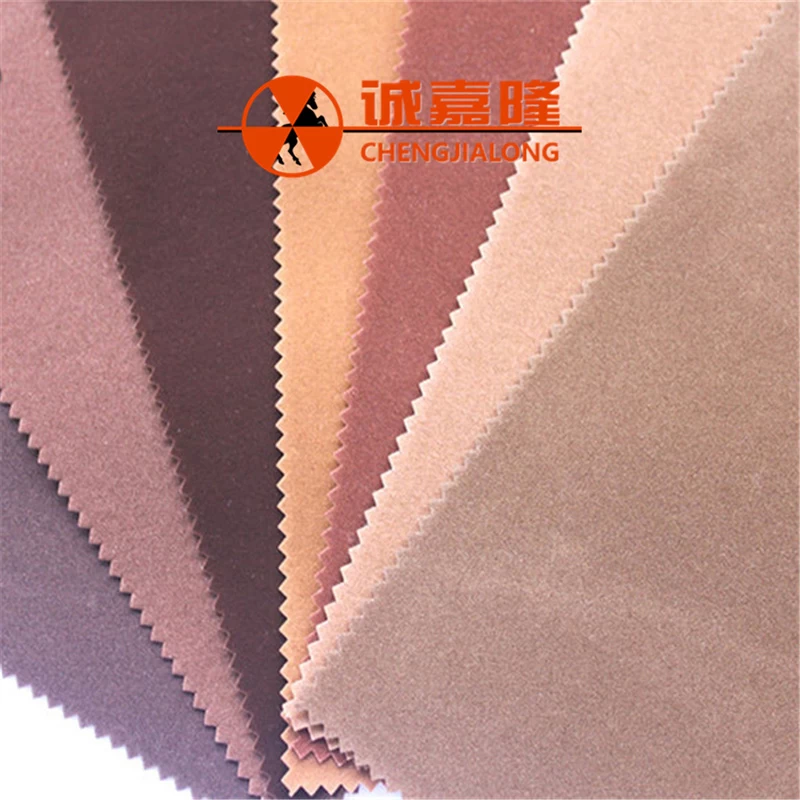
Before delving into specific industries, it’s essential to understand what non-woven flocking is. Non-woven flocking involves applying short fibers (flock) to a substrate using adhesive or electrostatic methods. This technique creates a soft, velvety surface that is not only aesthetically pleasing but also functional in various applications. The versatility of non-woven flocking makes it a valuable tool across different sectors.
### Key Properties of Non-woven Flocking
1. **Durability**: Non-woven flocked surfaces are often resistant to wear and tear, making them suitable for high-traffic applications.
2. **Aesthetic Appeal**: The flocked surface provides a unique texture and appearance that can enhance product design.
3. **Customization**: Non-woven flocking allows for a wide range of colors, patterns, and textures, enabling brands to create distinctive products.
4. **Lightweight**: Flocked materials are generally lighter than traditional textiles, making them easier to handle and transport.
5. **Eco-Friendly Options**: Many flocking materials are made from recycled fibers, aligning with sustainability goals.
## Industries Embracing Non-woven Flocking Techniques
### 1. Automotive Industry
The automotive sector has been one of the most significant adopters of non-woven flocking techniques. Flocked materials are used in various applications, including:
- **Interior Trims**: Flock is frequently used on door panels, dashboards, and headliners to provide a soft-touch feel and reduce noise levels within the vehicle.
- **Sound Deadening**: The unique properties of flocked materials contribute to sound absorption, enhancing the overall driving experience by minimizing road noise.
- **Aesthetic Customization**: Car manufacturers can utilize flocking to create custom colors and textures that align with brand identity, offering consumers personalized options.
Flocking not only improves the visual appeal of automotive interiors but also contributes to a more comfortable and quieter ride.
### 2. Consumer Electronics
In the consumer electronics industry, non-woven flocking is employed to enhance both the functionality and aesthetics of devices. Key applications include:
- **Smartphone Cases**: Flocked surfaces provide a soft touch that enhances grip and protects devices from scratches.
- **Headphones and Earbuds**: Flocking improves comfort by providing a soft cushion for prolonged use, while also reducing sound leakage.
- **Remote Controls and Keyboards**: The application of flocked materials offers a tactile experience and reduces the likelihood of fingerprints and smudges.
As consumer electronics continue to evolve, the demand for products that combine functionality with aesthetic appeal will drive the adoption of non-woven flocking techniques.
### 3. Fashion and Apparel
The fashion industry has embraced non-woven flocking techniques to create innovative textiles and accessories. Flocked materials are used in:
- **Apparel**: Designers utilize flocking to add depth and texture to garments, creating eye-catching patterns and designs.
- **Footwear**: Flocked surfaces in shoes offer enhanced comfort and unique styling options, appealing to fashion-conscious consumers.
- **Accessories**: Handbags, belts, and jewelry often incorporate flocked elements, providing a luxurious look and feel.
The ability to customize colors and textures has made flocking a popular choice among designers looking to differentiate their products in a competitive market.
### 4. Home Textiles and Furnishings
Non-woven flocking techniques have also made significant inroads into home textiles and furnishings. Applications include:
- **Upholstery**: Flocked fabrics are used in sofas, chairs, and cushions to provide a soft, luxurious touch while also being durable and easy to clean.
- **Curtains and Drapes**: Flocked materials can enhance the aesthetic appeal of window treatments, adding texture and depth to interior spaces.
- **Wall Coverings**: Flocked wallpaper offers a unique tactile experience, making it a popular choice for creating dramatic and sophisticated interiors.
The versatility of flocking in home textiles not only enhances the aesthetic value of living spaces but also contributes to the comfort and durability of furnishings.
### 5. Packaging Industry
The packaging sector has begun to recognize the benefits of non-woven flocking techniques in creating attractive and functional packaging solutions. Key applications include:
- **Luxury Packaging**: Flocked surfaces can elevate the perception of premium products, making them more appealing to consumers.
- **Protective Packaging**: Flocked materials can provide cushioning for fragile items, ensuring they arrive at their destination without damage.
- **Branding**: Custom flocking options allow brands to create unique packaging that stands out on shelves, enhancing brand recognition and loyalty.
As competition increases in the packaging industry, companies will continue to seek innovative solutions like non-woven flocking to enhance their offerings.
### 6. Medical and Healthcare
The medical and healthcare industry has also begun to utilize non-woven flocking techniques to create products that enhance patient comfort and care. Key applications include:
- **Medical Textiles**: Flocked materials can be used in bandages and dressings, providing a soft touch that minimizes irritation for patients.
- **Patient Care Equipment**: Items such as wheelchairs and hospital beds often feature flocked surfaces, improving comfort for patients during their stay.
- **Protective Gear**: Flocked materials can be used in personal protective equipment (PPE), offering enhanced comfort and usability for healthcare professionals.
The application of non-woven flocking in healthcare not only improves patient comfort but also demonstrates the versatility of this technology across diverse sectors.
### Conclusion
Non-woven flocking techniques are reshaping various industries by offering innovative solutions that enhance product design, functionality, and user experience. From automotive interiors to luxury packaging, the applications of flocking are vast and varied, showcasing its versatility and appeal. As technology continues to advance, it is likely that more industries will explore the potential of non-woven flocking, further solidifying its role as a transformative technique in manufacturing and design.
In conclusion, the integration of non-woven flocking techniques into various industries presents a wealth of opportunities for innovation and creativity. By understanding the unique properties and applications of flocking, businesses can leverage this technology to develop products that meet the evolving demands of consumers, ultimately leading to increased satisfaction and market success.