# Comparing Non-Woven Flocking to Traditional Textile Finishing Techniques
The textile industry has undergone profound transformations over the years, evolving from traditional methods to innovative techniques that enhance functionality and aesthetics. Among these advancements is non-woven flocking, a technique that offers unique advantages compared to conventional textile finishing methods. This article delves deeply into the comparison between non-woven flocking and traditional textile finishing techniques, exploring their processes, applications, benefits, and limitations.
## Understanding Textile Finishing Techniques
Textile finishing refers to the processes applied to fabric after weaving or knitting to enhance its appearance, performance, and durability. Traditional finishing techniques often include bleaching, dyeing, printing, and coating. These methods are typically labor-intensive and may involve the use of various chemicals and dyes, which can impact environmental sustainability.
### Traditional Textile Finishing Techniques
1. **Bleaching**: This process removes natural color from fibers, preparing them for dyeing. Bleaching can improve the fabric's whiteness and uniformity but often involves harsh chemicals that can be harmful to the environment.
2. **Dyeing**: This method imparts color to textiles and can be performed at various stages—yarn, fabric, or garment dyeing. While dyeing can create vibrant colors, it can also result in water pollution if not managed properly.
3. **Printing**: Printing techniques such as screen printing and digital printing allow for intricate designs on fabrics. However, they can be labor-intensive and require significant setup time.
4. **Coating**: Coating involves applying a layer of polymer or other substances to the fabric to impart specific properties, such as water resistance. This method can increase the weight of the fabric and may alter its texture.
Despite their established benefits, traditional textile finishing techniques often come with drawbacks, including long processing times, high labor costs, and environmental concerns regarding chemical use and waste management. This is where non-woven flocking presents a compelling alternative.
## What is Non-Woven Flocking?
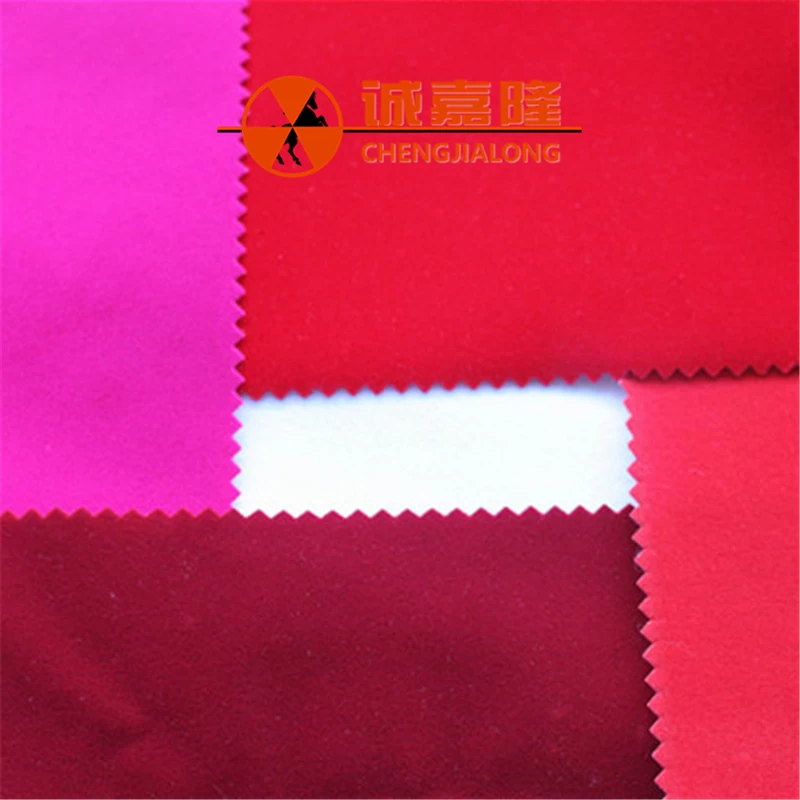
Non-woven flocking is a textile finishing technique that involves the application of short fibers (flock) to a substrate (usually a non-woven material) using adhesive. The process creates a soft, velvety surface that enhances both tactile and visual appeal. It can be used on a variety of materials, including plastics, paper, and textiles.
### The Flocking Process
1. **Preparation**: The substrate is cleaned and prepared to ensure optimal adhesion of the flock fibers.
2. **Adhesive Application**: A special adhesive is applied to the substrate. This can be done through various methods, including spraying, roller coating, or screen printing.
3. **Flock Application**: The flock fibers are electrostatically charged and applied to the adhesive-coated surface. The electrostatic charge causes the fibers to stand upright, creating a plush texture.
4. **Curing**: After the flocking process, the adhesive is cured to ensure a strong bond between the flock and the substrate.
5. **Finishing Touches**: Finally, excess flock is removed, and the product is inspected for quality assurance.
## Key Comparisons Between Non-Woven Flocking and Traditional Techniques
### 1. **Material Versatility**
**Traditional Techniques**: Typically limited to woven or knitted fabrics, traditional finishing techniques may not be suitable for all substrates. The need for specific types of fabric can limit design possibilities.
**Non-Woven Flocking**: This technique can be applied to a broader range of materials, including non-woven fabrics, plastics, and paper. This versatility opens up new avenues for creative designs and applications.
### 2. **Aesthetic Appeal**
**Traditional Techniques**: While dyeing and printing can produce vibrant colors and complex patterns, the surface texture may remain unchanged, limiting tactile experience.
**Non-Woven Flocking**: By adding a soft, textured finish, flocking significantly enhances the aesthetic appeal of products. The luxurious feel of flocked surfaces is often associated with high-quality items, making it an attractive option for fashion and interior design.
### 3. **Production Efficiency**
**Traditional Techniques**: Many traditional finishing processes require extensive setup, lengthy processing times, and labor-intensive handling. This can lead to increased production costs and longer lead times.
**Non-Woven Flocking**: Flocking can be completed relatively quickly, with fewer steps involved in the process. The ability to apply flock to non-woven substrates allows for faster production cycles, benefiting manufacturers who prioritize efficiency.
### 4. **Environmental Impact**
**Traditional Techniques**: The use of chemicals in traditional textile finishing can have detrimental effects on the environment. Wastewater generated from dyeing and bleaching processes can pollute local ecosystems if not treated properly.
**Non-Woven Flocking**: Since the flocking process primarily uses mechanical means and eco-friendlier adhesives, it can reduce the environmental footprint. Additionally, non-woven materials can sometimes be made from recycled content, further enhancing sustainability.
### 5. **Durability and Performance**
**Traditional Techniques**: While traditional finishing methods can improve durability, they may also introduce weaknesses, such as fading or peeling over time, especially in printed fabrics.
**Non-Woven Flocking**: Flocked surfaces can offer excellent durability and resistance to wear and tear. The fibers are bonded securely to the substrate, providing a robust finish that can withstand daily use.
### 6. **Customization and Design Flexibility**
**Traditional Techniques**: Customization options may be limited, and achieving specific design requirements can be time-consuming and costly.
**Non-Woven Flocking**: The flocking process allows for easy customization, from color selection to texture variations. Designers can experiment with different flock types, densities, and colors to achieve unique looks and feel.
## Applications of Non-Woven Flocking
The versatility of non-woven flocking opens the door to numerous applications across various industries. Some notable areas include:
1. **Fashion**: Flocking adds a luxurious touch to garments, accessories, and footwear, enhancing their overall appeal.
2. **Interior Design**: Flocked surfaces can be used in upholstery, wall coverings, and decorative elements, creating inviting and stylish environments.
3. **Automotive**: In the automotive industry, flocking is often used for interior components, such as dashboards and door panels, to provide a soft touch and reduce noise.
4. **Packaging**: Flocked surfaces can enhance packaging designs, adding a tactile element that elevates the unboxing experience.
5. **Stationery and Crafts**: Non-woven flocking is popular in the stationery market, providing an elegant finish to items such as greeting cards, notebooks, and craft projects.
## Conclusion
In conclusion, non-woven flocking stands out as a modern textile finishing technique that offers several advantages over traditional methods. Its versatility in application, aesthetic appeal, production efficiency, and lower environmental impact make it an attractive choice for manufacturers and designers alike. While traditional finishing techniques have their own merits, the innovative approach of non-woven flocking paves the way for a more sustainable and creative future in the textile industry.
As the demand for high-quality, visually appealing, and sustainable textiles continues to grow, non-woven flocking is poised to play a significant role in shaping the future of fabric finishing. By embracing this technique, businesses can enhance their product offerings, meet consumer expectations, and contribute to a more sustainable textile industry.