# A Deep Dive into the Manufacturing Process of Non-Woven Flocked Fabrics
## Introduction
Flocked fabrics have emerged as a versatile textile solution, widely appreciated for their unique texture and aesthetic appeal. A non-woven flocked fabric is created by combining traditional textile techniques with innovative manufacturing processes, resulting in materials that are both functional and visually striking. This article aims to provide an in-depth exploration of the manufacturing process of non-woven flocked fabrics, shedding light on the various stages involved, materials used, and applications of these remarkable textiles.
## Understanding Non-Woven Flocked Fabrics
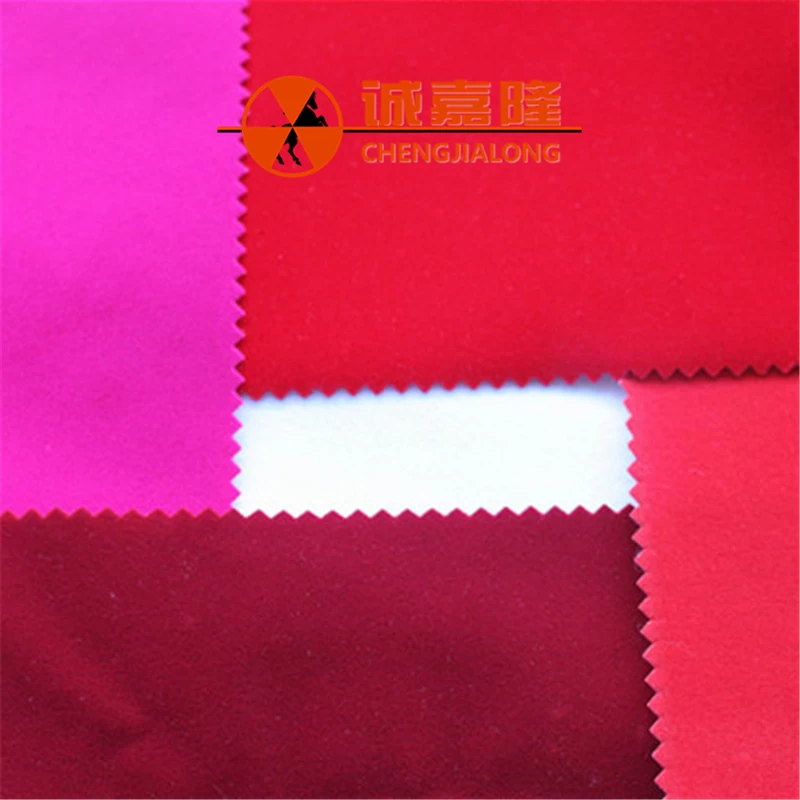
Before delving into the manufacturing process, it’s essential to understand what non-woven flocked fabrics are. Non-woven fabrics are textiles that are not woven or knitted but are instead made by bonding fibers together through mechanical, thermal, or chemical processes. Flocking refers to the application of short fibers onto a surface, which creates a soft, velvety texture. The combination of these two techniques produces non-woven flocked fabrics that are soft to the touch and visually appealing.
## The Manufacturing Process
### 1. Raw Material Selection
The first step in the manufacturing process is selecting the appropriate raw materials. Non-woven flocked fabrics typically utilize synthetic fibers such as polyester, nylon, or polypropylene due to their durability and versatility. The choice of fiber impacts the final product's texture, strength, and overall appearance.
### 2. Fiber Preparation
Once the raw materials are selected, they undergo preparation. This involves carding the fibers to separate and align them before they are formed into a web-like structure. Carding machines use a series of rotating drums covered in fine teeth to disentangle, clean, and intermix the fibers, creating a uniform mat of fibers.
### 3. Web Formation
After carding, the prepared fibers are laid out into a web. There are several methods for web formation, including airlaying, wet laying, and dry laying. The method chosen depends on the desired characteristics of the final fabric. For instance, airlaying can produce a lightweight fabric, while wet laying may result in a denser, more robust material.
### 4. Bonding Process
The next critical stage is bonding the fiber web to create a cohesive fabric. Several bonding methods can be employed, including:
- **Mechanical Bonding:** This involves entangling the fibers through needle punching, where barbed needles penetrate the fiber web, intertwining the fibers to create a stable fabric.
- **Thermal Bonding:** In this process, fibers are fused together using heat. This is often done by passing the fiber web through heated rollers, causing thermoplastic fibers to melt and bond.
- **Chemical Bonding:** Here, a binder resin is applied to the fiber web, followed by curing to create a solid bond. Chemical bonding can enhance the fabric's strength and durability.
### 5. Flocking Process
Once the non-woven fabric is created, the flocking process begins. This involves applying short fibers, known as flock, onto the surface of the fabric. The flocking process can be done using several techniques:
- **Electrostatic Flocking:** In this method, the flock fibers are charged with static electricity and then sprayed onto the adhesive-coated fabric. The electrostatic charge causes the fibers to stand upright, resulting in a dense flocked surface.
- **Mechanical Flocking:** This technique uses a mechanical device to apply the flock to the fabric surface. While it may not achieve the same upright alignment as electrostatic flocking, it can still produce attractive results.
### 6. Finishing Touches
After flocking, the fabric undergoes various finishing processes to enhance its properties. These may include dyeing, printing, and applying additional coatings for water resistance or flame retardancy. Finishing treatments can also improve the fabric's tactile qualities, making it softer or giving it a specific sheen.
### 7. Quality Control
Quality control is an integral part of the manufacturing process. Samples of the finished fabric are tested for various parameters, including strength, colorfastness, and texture. This ensures that the final product meets industry standards and customer expectations.
### 8. Packaging and Distribution
Once the fabric passes quality control checks, it is prepared for packaging. The finished rolls of non-woven flocked fabric are carefully wrapped and labeled before being shipped to customers or distributors. Proper packaging is crucial to protect the fabric during transit and storage.
## Applications of Non-Woven Flocked Fabrics
Non-woven flocked fabrics boast a diverse range of applications across various industries due to their unique properties:
- **Fashion and Apparel:** Flocked fabrics are popular in clothing, providing a luxurious feel and unique aesthetic. They are often used in garments, accessories, and home textiles.
- **Automotive Industry:** These fabrics are utilized in automotive interiors, offering both comfort and style. The soft texture enhances the passenger experience, while the durability ensures longevity.
- **Home Décor:** Flocked fabrics are commonly used in upholstery, curtains, and cushions, adding visual interest and a touch of elegance to interior spaces.
- **Medical Applications:** Their non-woven nature makes them suitable for medical textiles, including surgical gowns, masks, and drapes, where hygiene and comfort are paramount.
- **Packaging Materials:** Non-woven flocked fabrics can serve as protective packaging materials, providing cushioning and preventing damage during transport.
## Conclusion
The manufacturing process of non-woven flocked fabrics is a complex interplay of technology and creativity, resulting in materials that are both practical and aesthetically pleasing. From raw material selection to quality control, each step plays a vital role in producing high-quality flocked fabrics that meet the demands of various industries. As the market for these fabrics continues to grow, innovations in manufacturing techniques and applications will likely expand, further enhancing the appeal and functionality of non-woven flocked fabrics in our everyday lives.
By understanding the intricacies of this manufacturing process, stakeholders in the textile industry can better appreciate the artistry behind flocked fabrics while also recognizing the potential for future advancements in this dynamic field.