# Creative Uses of Non-Woven Flocking in Fashion and Interior Design
Non-woven flocking has emerged as a game-changer in both fashion and interior design, offering a unique blend of versatility, aesthetic appeal, and sustainable options. As industries increasingly seek innovative materials that provide both functionality and style, non-woven flocking stands out due to its diverse applications and distinctive characteristics. In this article, we will explore the creative uses of non-woven flocking in these two vibrant fields, delving into its properties, applications, and the reasons behind its growing popularity.
## Understanding Non-Woven Flocking
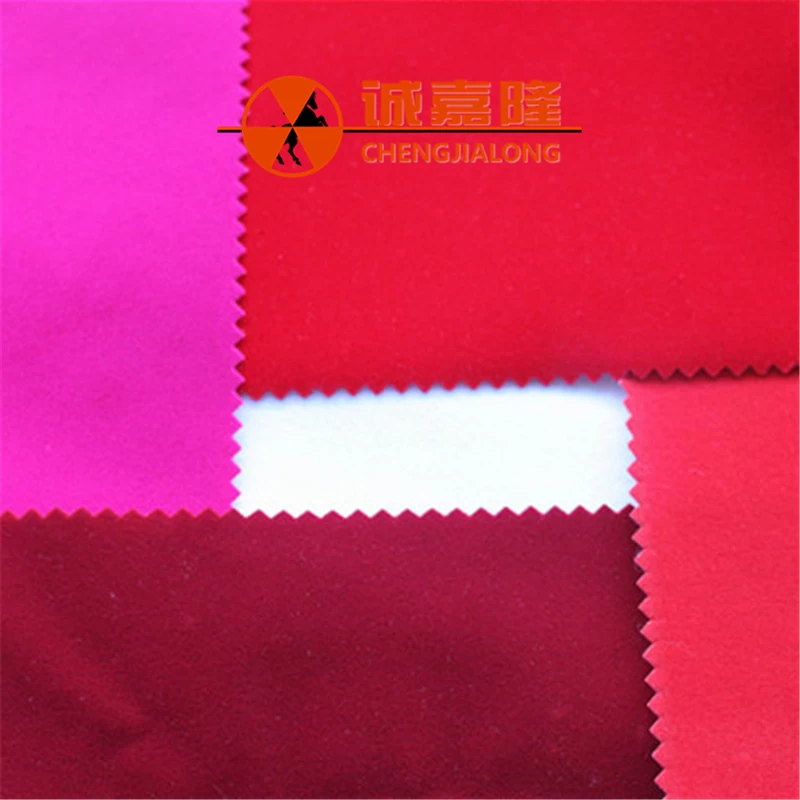
Before diving into its applications, it is essential to understand what non-woven flocking is. Non-woven textiles are made from fibers that are bonded together through various methods, including heat, chemicals, or mechanical means, rather than traditional weaving. Flocking, on the other hand, involves applying tiny, fiber-like particles to a surface, resulting in a velvety texture. This combination creates a material that is not only soft to the touch but also visually striking.
### Properties of Non-Woven Flocking
1. **Texture and Aesthetic Appeal**: The primary allure of flocked surfaces lies in their tactile quality. The raised fibers create depth and dimension, making items more visually appealing.
2. **Versatility**: Non-woven flocking can be applied to a variety of substrates, including fabrics, plastics, and even paper, allowing designers to experiment freely.
3. **Durability**: Unlike traditional textiles, non-woven flocked materials are often more resistant to wear and tear, maintaining their appearance over time.
4. **Sustainability**: Many non-woven flocking materials are made from recycled fibers or biodegradable sources, aligning with the growing demand for sustainable design practices.
Now let’s explore how these properties translate into creative uses in fashion and interior design.
## Non-Woven Flocking in Fashion
### 1. Innovative Apparel Design
In the realm of fashion, non-woven flocking offers new avenues for garment creation. Designers can use flocked materials to add texture and visual interest to clothing items. For example, a simple dress can be transformed by incorporating flocked panels, enhancing its appeal without overwhelming the overall design. The ability to manipulate texture allows creators to experiment with layering, draping, and silhouette, leading to unique and avant-garde fashion statements.
### 2. Accessories with a Twist
Fashion accessories such as bags, hats, and shoes can greatly benefit from non-woven flocking. A handbag with a flocked finish stands out in a saturated market, providing a luxurious look without the high cost typically associated with leather. Similarly, flocked shoes offer a playful yet sophisticated option for consumers looking to elevate their footwear collection. The soft touch of flocking combined with vibrant colors can turn everyday accessories into conversation starters.
### 3. Statement Pieces
Flocking lends itself well to creating statement pieces that capture attention. A jacket adorned with intricate flocked patterns can serve as the focal point of an outfit, allowing for minimalistic styling elsewhere. Designers are increasingly using flocking to create bold graphics or motifs on garments, pushing the boundaries of conventional fashion design. The tactile nature of flocking adds a sensory element, inviting touch and interaction.
### 4. Sustainable Fashion Choices
As sustainability continues to shape the fashion industry, non-woven flocking presents an eco-friendly alternative. Utilizing recycled fibers for flocking ensures that brands can reduce their environmental impact while still achieving high-quality products. This aligns with consumer preferences for sustainable choices, making flocked items not only fashionable but also responsible.
## Non-Woven Flocking in Interior Design
### 1. Textured Wall Coverings
One of the most exciting applications of non-woven flocking in interior design is in wall coverings. Flocked wallpaper can transform a space by adding depth and richness. The texture draws the eye and creates an inviting atmosphere, perfect for both residential and commercial environments. Designers can choose from a wide range of colors and patterns, allowing for customization that suits any aesthetic—from modern minimalist to opulent vintage.
### 2. Upholstery and Soft Furnishings
Non-woven flocking is increasingly used in upholstery, offering a unique alternative to traditional fabrics. Sofas, chairs, and cushions can be upholstered with flocked materials, providing a soft, luxurious feel that enhances comfort. Additionally, the durability of flocked upholstery makes it suitable for high-traffic areas, ensuring longevity without sacrificing style.
### 3. Decorative Accents
Incorporating flocking into decorative accents such as throws, pillows, and curtains adds a layer of sophistication to any room. The tactile quality of these items encourages interaction and elevates the overall ambiance of the space. Furthermore, flocked home accessories can easily complement existing decor, making them an accessible option for homeowners looking to refresh their interiors.
### 4. Innovative Lighting Designs
Flock can also be utilized in lighting fixtures, creating visually stunning designs that play with light and shadow. Flocked lampshades provide a soft diffusion of light, creating a warm and inviting environment. Designers can experiment with shapes and sizes, using flocking to enhance the textural quality of the fixture, thus merging functionality with artistic expression.
## The Intersection of Fashion and Interior Design
The boundaries between fashion and interior design are increasingly blurred, with many designers drawing inspiration from both disciplines. The use of non-woven flocking highlights this intersection, as the same material can be utilized in both clothing and home decor. For instance, a designer might create a line of flocked cushions that mirror the patterns found in their latest clothing collection, creating a cohesive aesthetic that resonates across various platforms.
### 1. Color Coordination
The application of color theory is essential in both fashion and interior design. By using CSS variables, designers can maintain a consistent color palette across collections. For example, a primary color used in a fashion line can be mirrored in the interior design of a boutique, creating a harmonious shopping experience. The ability to adjust text color and background color using CSS variables allows for flexibility in presentation, ensuring that both clothing and decor convey a unified theme.
### 2. Innovative Layouts
Designers can employ flexbox layouts when showcasing products, whether they are garments or home accessories. Using a products grid to display flocked items can enhance visual appeal, while product cards can highlight key features. Elements like box-shadow add depth to the presentation, while appropriate margins and padding ensure a clean, organized look.
### 3. Typography and Branding
In both disciplines, font-family and line-height play crucial roles in communication and branding. A cohesive typographic approach enhances brand recognition, whether it’s a fashion label or an interior design firm. The interplay of visual elements—such as logo placement in headers and the arrangement of section titles—creates a polished and professional appearance that resonates with consumers.
## Conclusion
Non-woven flocking represents a significant innovation in the realms of fashion and interior design. Its unique properties—texture, versatility, durability, and sustainability—make it an appealing choice for designers looking to push creative boundaries. From innovative apparel to textured wall coverings, the applications of flocking are vast and varied.
As the lines between fashion and interior design continue to blur, the potential for cohesive, harmonious design becomes even greater. By embracing non-woven flocking, designers can create unique experiences that resonate with consumers on multiple levels, ensuring their work stands out in an ever-evolving landscape. Whether you’re a designer, a homeowner, or simply a fashion enthusiast, exploring the creative uses of non-woven flocking offers exciting possibilities for the future of design.