# Understanding Non-woven Flocking: What It Is and How It Works
In the realm of textiles and materials science, non-woven flocking represents a fascinating innovation that has gained significant traction in various industries, including fashion, automotive, and home furnishings. This blog post aims to delve into the intricacies of non-woven flocking, shedding light on its definition, applications, manufacturing process, benefits, and future prospects.
### What is Non-woven Flocking?
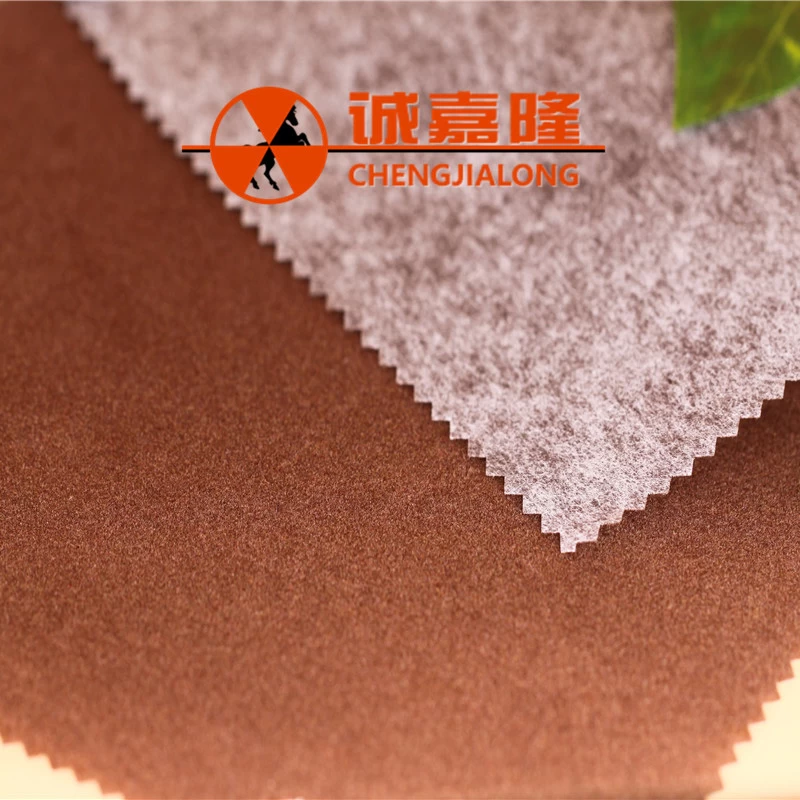
Non-woven flocking involves the application of small, short fibers—known as flock—to a base material, creating a soft, velvety surface. Unlike traditional woven fabrics, non-woven materials are made without the interlacing of yarns. Instead, they are constructed using a variety of bonding techniques, including mechanical, thermal, or chemical processes, to create a cohesive fabric structure.
The flock itself can be made from a variety of materials, including nylon, polyester, and cotton, offering diverse aesthetic and functional properties. The result is a textile that is not only visually appealing but also provides unique tactile qualities, enhancing user experience in products ranging from clothing to automotive interiors.
### How Non-woven Flocking Works
The process of creating non-woven flocked materials involves several critical steps:
#### 1. **Material Preparation**
Before flocking can occur, the base material must be prepared. This is often a non-woven substrate, which can be made from a range of fibers, including polypropylene or polyester. The choice of base material can significantly affect the final product's feel, durability, and appearance.
#### 2. **Flock Fiber Production**
Flock fibers are produced by cutting long strands of material into short lengths, typically between 0.5 mm to 5 mm. These fibers can be dyed in various colors to match design specifications. The selection of fiber type and color will largely depend on the intended application and desired aesthetic.
#### 3. **Application of Adhesive**
To ensure that the flock fibers adhere properly to the base material, an adhesive is applied. This adhesive can take various forms, such as spray, roll, or dip coating. The type of adhesive used can have a significant impact on the durability and texture of the finished product.
#### 4. **Flocking Process**
The actual flocking process involves electrostatic or mechanical methods to apply the flock fibers onto the adhesive-coated surface. In electrostatic flocking, an electric field is generated, causing the flock fibers to align vertically before settling onto the adhesive. This results in a uniform distribution of fibers that creates a dense, plush surface. Mechanical flocking methods involve using a machine to apply the fibers directly onto the substrate.
#### 5. **Curing and Finishing**
Once the flock has been applied, the material undergoes a curing process to set the adhesive. This can involve heat or chemical treatment, ensuring that the flock remains securely attached to the base layer. After curing, additional finishing processes may be implemented, such as trimming excess fibers, applying protective coatings, or adding decorative elements.
### Applications of Non-woven Flocking
Non-woven flocking technology is versatile, with applications spanning multiple industries:
1. **Fashion and Apparel**: Flocked fabrics are widely used in the fashion industry for garments and accessories. The soft texture and vibrant colors make them popular for evening wear, hats, and bags.
2. **Automotive Interiors**: Non-woven flocking is frequently employed in car interiors, particularly for dashboard coverings, headliners, and door panels. The plush finish enhances aesthetics while also providing sound insulation and reducing glare.
3. **Home Furnishings**: Flocked materials are commonly found in upholstery, curtains, and wall coverings. Their luxurious feel and ability to mimic high-end fabrics make them an attractive option for interior design.
4. **Consumer Products**: Many consumer goods, such as toys and stationery, utilize flocking for added texture and visual appeal. Flocked surfaces can enhance grip and comfort, making them suitable for a variety of everyday items.
### Benefits of Non-woven Flocking
The advantages of non-woven flocking are numerous, contributing to its growing popularity:
- **Aesthetic Appeal**: The rich texture and vibrant colors of flocked materials can significantly enhance product appearance, allowing for creative designs that attract consumers.
- **Softness and Comfort**: Flocked surfaces provide a soft touch, making them comfortable against the skin and suitable for items like clothing and upholstery.
- **Durability**: Flocking can improve the durability of materials, making them resistant to wear and tear. The adhesive used ensures that fibers remain securely attached even under stress.
- **Sound Absorption**: The plush nature of flocked fabrics can help absorb sound, making them ideal for applications in automotive and architectural settings where noise reduction is desirable.
- **Versatility**: Non-woven flocking can be applied to a wide range of materials and products, making it a flexible solution for various industries.
### Challenges and Considerations
While non-woven flocking offers many benefits, there are also challenges to consider:
- **Cost**: The flocking process can be more expensive than traditional fabric manufacturing methods. However, the value added through enhanced aesthetics and functionality can justify the investment for businesses.
- **Environmental Concerns**: Depending on the materials and adhesives used, there may be environmental considerations associated with flocked products. Manufacturers are increasingly seeking sustainable alternatives to mitigate these concerns.
- **Maintenance**: Flocked surfaces may require special care to maintain their appearance and texture. Consumers need to be informed about proper cleaning methods to ensure longevity.
### The Future of Non-woven Flocking
As technology advances, the future of non-woven flocking looks promising. Innovations in materials science are leading to the development of eco-friendly flock fibers and adhesives, making flocked products more sustainable. Additionally, advancements in automation and manufacturing techniques are likely to reduce production costs, broadening accessibility for various industries.
Furthermore, the trend towards customization and personalization in consumer products is expected to drive demand for flocking technology. As brands seek to offer unique and tactile experiences, non-woven flocking will play an essential role in differentiating products in a competitive market.
### Conclusion
In conclusion, non-woven flocking is a multifaceted textile technology that has significant implications for various sectors. Its unique combination of aesthetic appeal, functionality, and versatility makes it a valuable addition to any product lineup. As the industry continues to evolve, understanding the principles and applications of non-woven flocking will be essential for manufacturers, designers, and consumers alike. Embracing this innovative approach can lead to exciting opportunities for creativity, sustainability, and enhanced user experiences in the world of textiles.