# The Benefits of Non-woven Flocking in Textile Applications
In the evolving world of textiles, innovation plays a vital role in meeting consumer demands for quality, durability, and aesthetic appeal. One such innovation that has gained traction in recent years is non-woven flocking. This technique, which involves applying fine fibers to a substrate, has transformed various textile applications, enhancing both functionality and visual appeal. In this article, we will explore the myriad benefits of non-woven flocking in textile applications, examining its uses in fashion, upholstery, automotive interiors, and more.
## Understanding Non-woven Flocking
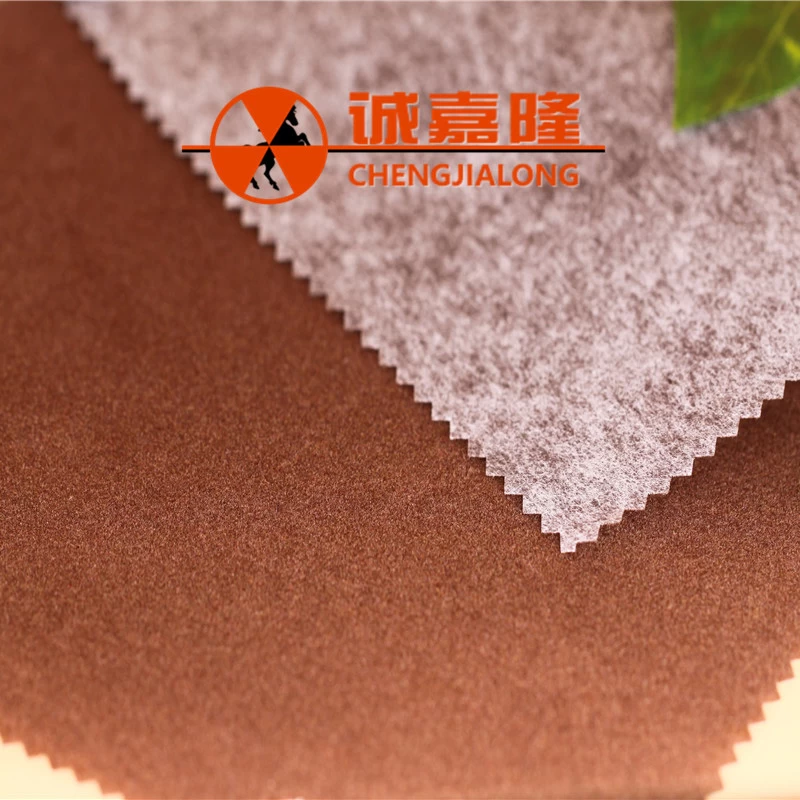
Before delving into the benefits, it’s essential to understand what non-woven flocking entails. Flocking is a process where short fibers, often made from materials like nylon or polyester, are adhered to a surface via an adhesive. Non-woven flocking differs from traditional woven textiles as it does not require a backing fabric; instead, the fibers are directly bonded to the substrate, creating a velvety texture that enhances the tactile experience of the material.
### Applications of Non-woven Flocking
Non-woven flocking can be applied across various sectors, including:
- **Fashion**: Used in clothing and accessories for a luxurious feel.
- **Upholstery**: Enhances the aesthetic and tactile quality of furniture.
- **Automotive Interiors**: Provides a soft touch and noise reduction in vehicle interiors.
- **Consumer Products**: Utilized in products ranging from toys to packaging for a premium appearance.
## Benefits of Non-woven Flocking
### 1. Aesthetic Appeal
One of the most significant advantages of non-woven flocking is its ability to enhance the visual and tactile qualities of textiles. The soft, plush texture created by flocking adds a sense of luxury and sophistication to products. This aesthetic appeal is particularly beneficial in the fashion and upholstery industries, where customer perceptions of quality can heavily influence purchasing decisions. The variety of colors and textures available allows designers to experiment, offering unique designs that stand out in a competitive market.
### 2. Versatility
Non-woven flocking is remarkably versatile and can be applied to various substrates, including plastics, cardboard, and fabrics. This adaptability enables manufacturers to incorporate flocking into an extensive range of products. For example, in the fashion industry, flocked fabrics can be used for everything from casual wear to high-end evening gowns. In the automotive sector, flocking can be applied to dashboards, door panels, and seat covers, providing a cohesive design language throughout the vehicle interior.
### 3. Enhanced Durability
Contrary to common misconceptions, non-woven flocking is highly durable. The adhesive used to bond the fibers to the substrate is designed to withstand wear and tear, making flocked products suitable for high-use applications. For instance, in upholstery, flocked fabrics can endure daily use without losing their texture or visual appeal. This resilience not only extends the lifespan of products but also reduces the need for frequent replacements, presenting a cost-effective solution for consumers and manufacturers alike.
### 4. Improved Comfort
The soft texture of flocked surfaces enhances the overall comfort of products, making them more user-friendly. In clothing, non-woven flocking can provide a soft touch against the skin, reducing irritation and improving the wearing experience. Similarly, in automotive interiors, flocked materials contribute to a quieter cabin environment by dampening noise and vibrations, thereby enhancing passenger comfort during travel.
### 5. Eco-Friendliness
As sustainability becomes an increasingly important aspect of production, non-woven flocking offers an eco-friendlier alternative compared to traditional textile methods. Many flocking materials are recyclable, and the process itself generates less waste. Furthermore, non-woven flocking can reduce the amount of dye needed, as the fibers can be dyed before application, leading to less water and chemical usage in the manufacturing process. This commitment to sustainability appeals to environmentally conscious consumers and brands alike.
### 6. Cost-Effectiveness
While the initial investment in flocking technology may seem significant, the long-term cost savings can be substantial. The durability and reduced need for maintenance mean that products can last longer, ultimately saving consumers money over time. Additionally, the versatility of non-woven flocking allows manufacturers to create a wide range of products with minimal changes to production processes, streamlining operations and reducing costs.
### 7. Customization Options
Another key benefit of non-woven flocking is the ease of customization. Manufacturers can easily alter the color, texture, and density of the flocked surface to meet specific design requirements. This flexibility is particularly advantageous in the fashion and home décor industries, where trends can change rapidly, and customer preferences can vary widely. Brands that adopt non-woven flocking can stay ahead of the curve by quickly adapting to these shifts in demand.
### 8. Reduced Weight
Non-woven flocking can significantly reduce the weight of textile products without compromising quality or durability. This characteristic is especially important in the automotive industry, where lighter materials contribute to better fuel efficiency and performance. By incorporating flocked materials, manufacturers can achieve a balance between aesthetics, functionality, and weight, ultimately benefiting both the product and the consumer.
### 9. Noise Reduction
In applications where sound insulation is a concern, such as automotive interiors and home furnishings, non-woven flocking provides excellent noise-dampening properties. The dense structure of flocked materials absorbs sound waves, reducing transmission and resulting in quieter environments. This benefit is particularly relevant in urban settings or for consumers seeking a peaceful atmosphere in their homes or vehicles.
### 10. Enhanced Brand Perception
Incorporating non-woven flocking into products can elevate brand perception, positioning companies as innovative and quality-driven. A well-executed flocked design can communicate a brand’s commitment to quality and attention to detail, appealing to discerning consumers who prioritize aesthetics and functionality. This enhanced brand image can translate into increased customer loyalty and a competitive edge in the marketplace.
## Conclusion
The benefits of non-woven flocking in textile applications are manifold, encompassing aesthetic appeal, versatility, durability, and more. As industries continue to evolve and consumer preferences shift, the adoption of flocking techniques can offer significant advantages. By enhancing the quality and visual appeal of products while also considering sustainability and cost-effectiveness, non-woven flocking stands out as a pivotal innovation in the textile landscape.
In a world where first impressions matter and functionality is paramount, non-woven flocking serves as a bridge between luxury and practicality. Whether for fashion, upholstery, automotive interiors, or consumer products, the potential applications of this technique are vast and varied. As manufacturers continue to explore the possibilities of non-woven flocking, it is clear that this innovative approach will play a crucial role in shaping the future of textile applications.
By understanding and leveraging the benefits of non-woven flocking, brands can not only elevate their offerings but also foster deeper connections with consumers who seek quality, comfort, and sustainability in their choices. In an ever-competitive market, embracing such innovations may well be the key to success.