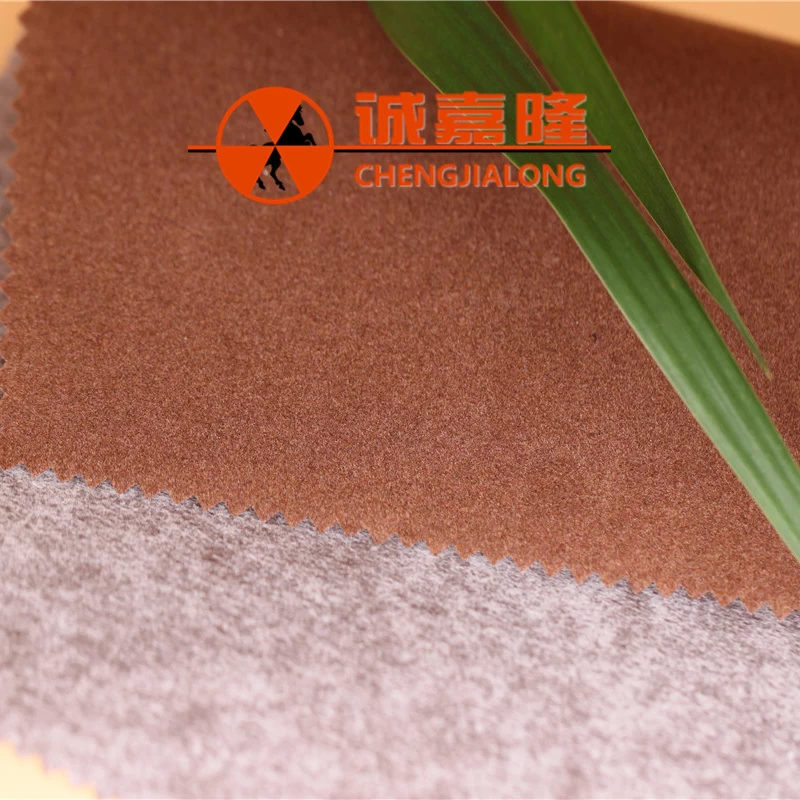
# The Science Behind Non-woven Flocking: Techniques and Technologies
In the world of textiles, non-woven flocking has emerged as a groundbreaking technique that combines aesthetics with functionality. This innovative method, which involves the application of small fibers to a substrate to create a plush, velvety surface, is transforming industries ranging from fashion to automotive interiors. This article delves into the science behind non-woven flocking, exploring the techniques and technologies that make it possible.
## Understanding Non-woven Flocking
Non-woven flocking is a process that applies short fibers, known as flock, to a base material using adhesive. This technique is distinct from traditional weaving or knitting, as it does not involve interlacing yarns. Instead, non-woven textiles are created by bonding fibers together using various methods such as heat, chemical adhesives, or mechanical processes.
### Historical Context
The concept of flocking dates back to ancient civilizations, where craftsmen would apply fine fibers to surfaces for decorative purposes. However, modern flocking techniques have evolved significantly, propelled by advancements in materials science and manufacturing technologies. Today, non-woven flocking is utilized in an array of products, including upholstery, wall coverings, and even automotive components.
## The Flocking Process
The flocking process can be broken down into several key steps, each requiring precision and expertise.
### 1. Preparation of the Substrate
The first step involves selecting the appropriate substrate onto which the flock will be applied. Substrates can range from paper and plastic to fabrics and foam. The choice of substrate affects not only the appearance of the final product but also its durability and functionality.
### 2. Application of Adhesive
Once the substrate is selected, a bonding agent is applied to its surface. This adhesive plays a crucial role in ensuring that the flock fibers adhere properly. Different types of adhesives are used based on the intended application and desired properties of the final product. For instance, water-based adhesives are often preferred for their environmental benefits, while solvent-based adhesives provide superior bonding strength.
### 3. Flock Application
After applying the adhesive, the flock itself is introduced to the substrate. The flocking process typically involves electrostatic methods to ensure uniform distribution of the fibers. When charged, the fibers stand upright and adhere to the adhesive-coated surface, creating a dense, textured finish.
### 4. Curing
Following the flock application, the product undergoes a curing process, where heat or pressure is applied to set the adhesive and secure the fibers in place. This step is critical for enhancing the durability of the flocked surface, ensuring it withstands wear and tear over time.
### 5. Finishing Touches
Finally, the flocked product may undergo additional finishing processes, such as trimming excess fibers or applying protective coatings to enhance its resistance to stains and fading.
## Techniques in Non-woven Flocking
Several techniques are employed in the flocking process, each tailored to meet specific needs and desired outcomes.
### Electrostatic Flocking
Electrostatic flocking is one of the most common techniques used today. By charging the flock fibers, manufacturers can achieve a more even and controlled application. This method is ideal for products requiring high-density coverage and a luxurious feel.
### Mechanical Flocking
Mechanical flocking involves the use of specialized machinery to disperse the flock fibers onto the substrate. This technique is less reliant on electrostatic forces and can be used for larger applications where precise fiber orientation is less critical.
### Spray Flocking
In spray flocking, the adhesive and flock are combined and sprayed onto the substrate simultaneously. This technique allows for more flexibility in design and can be particularly useful for intricate patterns and designs.
### Hot Melt Flocking
This technique utilizes hot melt adhesives that are applied in a molten state. As the adhesive cools, it solidifies, firmly securing the flock fibers in place. Hot melt flocking is favored for its speed and efficiency, making it suitable for high-volume production.
## Technologies Driving Non-woven Flocking
Advancements in technology have played a pivotal role in the evolution of non-woven flocking. Key innovations include:
### Automated Flocking Machines
Modern flocking machines are equipped with automation features that enhance precision and reduce labor costs. These machines can adjust parameters such as adhesive application rates and flock density in real-time, ensuring consistent quality across large production runs.
### Digital Printing Integration
The integration of digital printing technology with flocking processes allows for greater customization and design complexity. Manufacturers can print intricate patterns directly onto the substrate before flocking, resulting in unique, eye-catching products.
### Sustainable Materials
As sustainability becomes increasingly important, the development of eco-friendly flock materials and adhesives has gained traction. Manufacturers are now exploring biodegradable flock options and water-based adhesives to reduce environmental impact.
## Applications of Non-woven Flocking
The versatility of non-woven flocking has led to its widespread adoption across various sectors:
### Fashion and Apparel
In the fashion industry, flocking is used to create unique textures and finishes on garments, accessories, and footwear. The soft, tactile nature of flocked materials adds depth and luxury to clothing designs.
### Automotive Interiors
Flocked surfaces are commonly found in automotive interiors, where they provide a plush feel and enhance the aesthetic appeal of dashboards, door panels, and headliners. Additionally, flocked materials can help reduce noise levels within vehicles, improving overall driving comfort.
### Home Furnishings
In home décor, flocked textiles are popular for upholstery, curtains, and wall coverings. The rich colors and textures offered by flocking can transform spaces, adding warmth and sophistication.
### Consumer Electronics
Flocking is also used in consumer electronics, where it provides a soft-touch finish for devices and components. This not only enhances the tactile experience but also helps to minimize glare and improve grip.
## Challenges and Future Directions
While non-woven flocking presents numerous advantages, challenges remain. One significant concern is the management of waste generated during the flocking process. Manufacturers are continually seeking ways to recycle unused flocking materials and minimize environmental impacts.
Looking ahead, the future of non-woven flocking appears promising. As technology continues to advance, we can expect to see further innovations in flocking techniques, materials, and applications. The growing demand for sustainable and customizable products will undoubtedly drive research and development in this field.
## Conclusion
Non-woven flocking is a remarkable textile technology that blends artistry with engineering. By understanding the science behind the flocking process and the techniques involved, manufacturers can leverage this innovative approach to create stunning, functional products across various industries. As technology advances and sustainability takes center stage, the future of non-woven flocking holds exciting possibilities for both creators and consumers alike.
Whether you are a manufacturer looking to incorporate flocking into your product line or a consumer seeking unique textile experiences, the world of non-woven flocking offers endless opportunities for innovation and creativity.