# A Comprehensive Guide to Choosing the Right Flocking Materials
Flocking materials have become increasingly popular across various industries, from crafting and home décor to automotive and fashion. The tactile nature of flocked surfaces adds a unique texture that can elevate the aesthetic appeal of any project. However, selecting the right flocking material can be overwhelming, given the myriad options available. This comprehensive guide aims to simplify the process by discussing the different types of flocking materials, their applications, and critical considerations when making a choice.
## Understanding Flocking Materials
Flocking involves applying small fibers to a surface to create a velvety texture. The materials used in this process vary based on their intended use, performance characteristics, and aesthetic qualities. Common flocking materials include:
1. **Nylon Flock**: Known for its durability and resistance to wear, nylon flock is suitable for high-traffic areas and items that require longevity, such as upholstery and automotive interiors.
2. **Polyester Flock**: Polyester is often chosen for its color retention and softness. This material is ideal for decorative items and lightweight applications, as it offers a plush feel without the weight.
3. **Rayon Flock**: Rayon is a natural fiber known for its luxurious appearance and feel. It is commonly used in fashion and accessories where a premium look is desired.
4. **Vinyl Flock**: Vinyl flock is water-resistant and easy to clean, making it an excellent choice for outdoor applications or items exposed to moisture.
5. **Paper Flock**: Paper flock is a more economical option, often used for crafts and temporary applications. While not as durable as synthetic options, it provides a unique texture for various projects.
### Key Considerations When Choosing Flocking Materials
Selecting the appropriate flocking material requires careful consideration of several factors, including application, durability, color, and texture. Here are some critical aspects to keep in mind:
#### 1. **Intended Application**
Understanding the intended use of your flocked item is paramount. For instance:
- **Upholstery**: If you’re flocking furniture or car interiors, opt for durable materials like nylon or polyester that withstand wear and tear.
- **Fashion**: For clothing and accessories, rayon may provide the desired luxurious feel, while polyester can offer vibrant colors and patterns.
- **Crafts**: For DIY projects, consider paper flock for lightweight applications or vinyl flock for items exposed to moisture.
#### 2. **Durability and Maintenance**
Durability is critical, especially for items subject to frequent use. As mentioned earlier, nylon and vinyl offer superior durability compared to rayon and paper. Additionally, consider maintenance requirements; some materials may require special cleaning methods or are more susceptible to fading over time.
#### 3. **Color and Finish Options**
Color plays a vital role in the visual impact of your flocked item. Most flocking materials come in various colors, allowing you to match or contrast with existing decor. When choosing a color, consider the following:
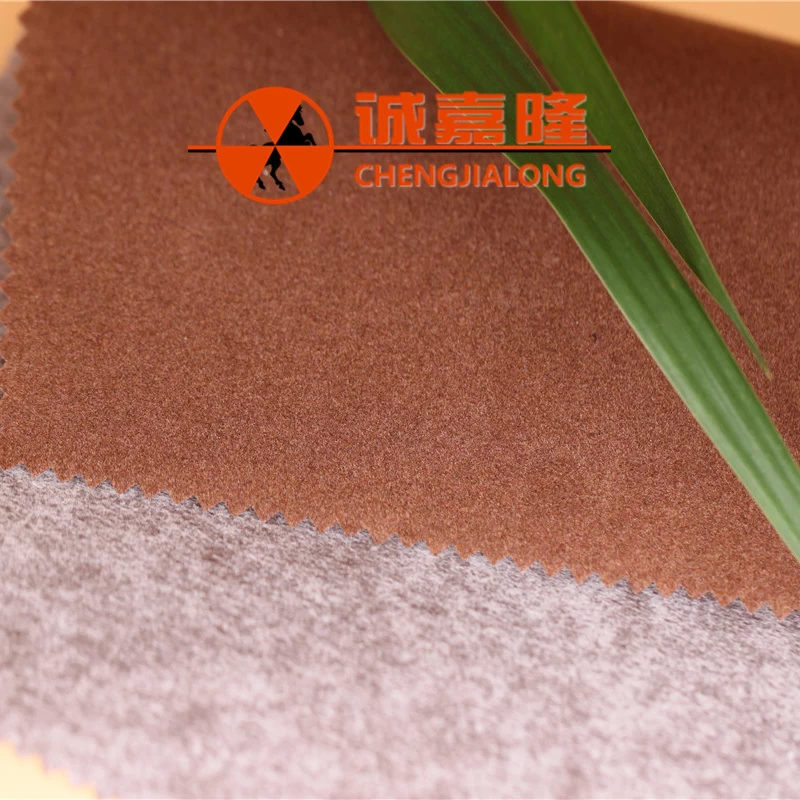
- **Primary Color**: This is your main theme color. For example, if you choose #BC7C3E as your primary color, ensure it complements your overall design.
- **Primary Dark and Light Variants**: Having darker and lighter shades of your primary color can add depth and dimension to your projects. For instance, #BC7C3E can be paired with lighter hues like #f5eedf for contrast.
- **Text Colors**: Utilize colors like #332b22 for main text and #665b50 for secondary text to enhance readability against your chosen background.
#### 4. **Texture and Feel**
The tactile quality of flocking is one of its defining features. Different fibers yield varying textures; consider whether you want a soft, plush feel or a slightly coarse texture. Test samples whenever possible to gauge how the material feels against the skin or touch.
### Practical Applications of Flocking Materials
Flocking materials find diverse applications across multiple sectors. Some common uses include:
1. **Home Décor**: Flocked wallpaper and furniture add elegance and warmth to living spaces. Choose materials that coordinate with your existing color palette for a cohesive look.
2. **Fashion Industry**: Designers utilize flocking in garments, bags, and shoes to create unique textures that stand out. The versatility of colors and finishes allows for creativity in fashion design.
3. **Automotive Interiors**: Flocking is prevalent in car interiors, providing a soft touch to dashboards and door panels. Durable materials are essential here to withstand everyday use and maintain their appearance.
4. **Greeting Cards and Crafts**: Flocking adds a distinctive touch to handmade cards and crafts, making them more visually appealing. Paper flock is often used in these projects for added texture.
5. **Toys and Games**: Flocked surfaces are often used in toys to create a soft feel and enhance playability. Safety and durability are paramount when selecting materials for children's toys.
### Selecting Flocking Materials: A Step-by-Step Approach
To streamline your decision-making process, follow these steps when selecting your flocking materials:
#### Step 1: Define Your Project Requirements
Begin by outlining the specific requirements of your project. Consider the intended use, target audience, and environment where the item will be used. This foundational understanding will guide your material selection.
#### Step 2: Research Material Options
Explore the different types of flocking materials available. Review their properties, including durability, maintenance needs, and aesthetic qualities.
#### Step 3: Evaluate Color Palettes
Utilize color palettes to ensure harmony among your flocking materials. Use tools like color wheels or online color generators to visualize how different shades work together. Incorporate your primary color (#BC7C3E) and its variants to maintain consistency.
#### Step 4: Request Samples
Whenever possible, request samples of the flocking materials you’re considering. Physical samples allow you to assess texture, durability, and color accuracy, ensuring you make an informed choice.
#### Step 5: Make Your Decision
After evaluating your options, make an informed decision based on your research, color coordination, and tactile experience. Ensure that the material meets your project's practical and aesthetic criteria.
### Conclusion
Choosing the right flocking materials requires careful consideration of various factors, including application, durability, color, and texture. By understanding the distinct characteristics of different flocking materials and following a structured approach to selection, you can create stunning projects that stand out for their quality and design. Whether you’re working on home décor, fashion, or crafting, the right flocking materials will enhance your creations and leave a lasting impression.
As you embark on your flocking journey, remember to consider the broader context of your design. Utilize CSS variables to maintain consistency in color schemes across digital platforms, ensuring your designs translate seamlessly from concept to reality. With thoughtful planning and execution, your flocking projects will undoubtedly achieve the desired aesthetic and functional outcomes.