# Analyzing the Sustainability of Non-Woven Flocking Materials: Eco-Friendly Options and Recycling Possibilities
In recent years, sustainability has emerged as a pivotal concern across various industries, especially in textiles, packaging, and consumer goods. Among the materials garnering significant attention is non-woven flocking, which is characterized by its unique composition and versatile applications. This article aims to delve into the sustainability of non-woven flocking materials, exploring eco-friendly options, recycling possibilities, and their impact on the environment.
## Understanding Non-Woven Flocking Materials
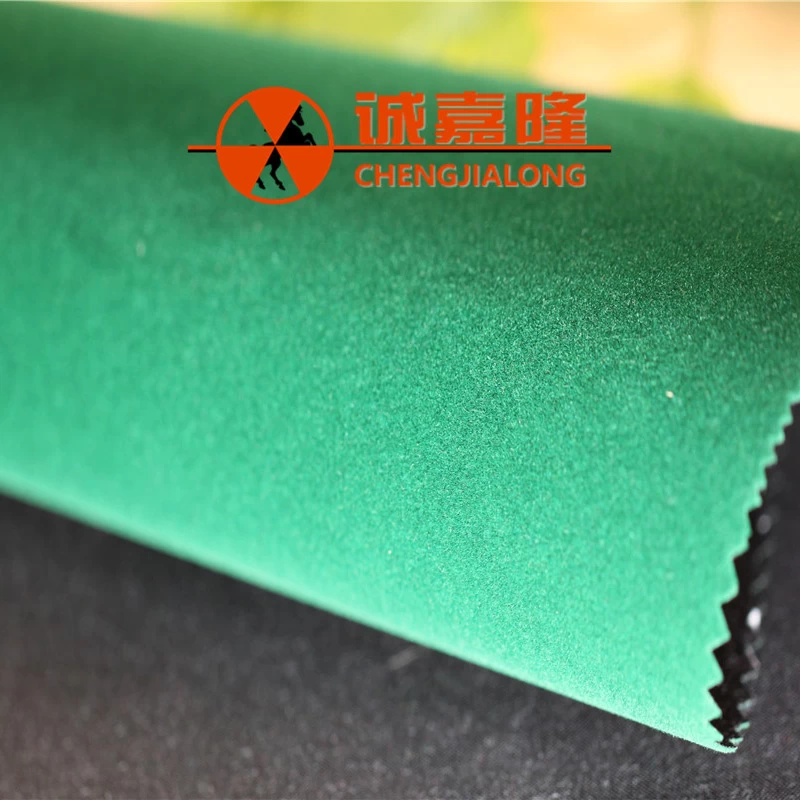
Non-woven flocking refers to a fabric construction method that involves the bonding of fibers without weaving. The resulting material is soft, lightweight, and often used for applications ranging from apparel to home furnishings and industrial products. The flocking process typically involves gluing short fibers onto a substrate, creating a velvety texture. While this technology offers numerous benefits, including durability and aesthetic appeal, it raises concerns regarding environmental sustainability.
### Environmental Concerns
The production of traditional non-woven flocking materials primarily relies on synthetic fibers derived from petrochemicals. These materials are non-biodegradable and contribute to plastic pollution, raising serious questions about their long-term impact on the environment. Moreover, the manufacturing processes involved in creating non-woven fabrics can lead to significant energy consumption and greenhouse gas emissions.
#### Resource Consumption
The extraction and processing of fossil fuels for synthetic fiber production require substantial resources. Water consumption in textile manufacturing is particularly concerning; conventional processes can use up to 20,000 liters of water to produce just one kilogram of fabric. Additionally, many synthetic fibers are created using toxic chemicals, which can contaminate local waterways if not managed responsibly.
### Eco-Friendly Alternatives
In response to these environmental challenges, the textile industry has been exploring eco-friendly alternatives to traditional non-woven flocking materials. These alternatives focus on sustainable sourcing, biodegradability, and lower energy consumption during production.
#### Natural Fibers
One viable alternative is the use of natural fibers such as cotton, jute, or hemp for non-woven flocking applications. These materials are biodegradable and offer a lower environmental footprint compared to synthetic fibers. For example, hemp grows rapidly and requires minimal pesticides, making it an excellent sustainable option. Cotton, when sourced organically, can also significantly reduce harmful chemical usage.
#### Recycled Materials
Another promising avenue is the utilization of recycled materials in the production of non-woven flocking. Post-consumer waste, such as recycled PET (rPET), has gained traction as a more sustainable option. By reprocessing plastic waste into new fibers, manufacturers can reduce the demand for virgin materials and minimize landfill contributions. Studies have shown that using rPET can decrease energy usage by up to 75% compared to producing new polyester fibers.
#### Biodegradable Polymers
Advancements in polymer technology have led to the development of biodegradable synthetic fibers. These materials break down over time, mitigating the issues associated with plastic pollution. Companies are increasingly investing in research to create non-woven flocking materials from biodegradable polymers like polylactic acid (PLA), derived from renewable resources such as corn starch.
### Recycling Possibilities
Transitioning to eco-friendly alternatives is crucial, but it is equally important to establish effective recycling systems for non-woven flocking materials. Unfortunately, the recycling of non-woven fabrics has traditionally been challenging due to their composite nature. However, there are emerging strategies aimed at improving recyclability.
#### Mechanically Recyclable Materials
Some manufacturers are exploring mechanically recyclable non-woven materials that can be processed through conventional recycling streams. By utilizing pure materials or designing fabrics that can be easily separated into their constituent components, the recycling process becomes more efficient. This approach reduces waste and allows for the recovery of valuable resources.
#### Closed-Loop Systems
Closed-loop recycling systems aim to keep materials in use for as long as possible. In the context of non-woven flocking materials, companies can implement take-back programs that allow consumers to return used products for recycling or repurposing. This model not only promotes circularity but also educates consumers about responsible disposal and resource conservation.
#### Innovative Recycling Technologies
Technology plays a crucial role in advancing recycling capabilities. New methods, such as chemical recycling, can break down complex materials into their original monomers, allowing them to be reused in the production of new fibers. As these technologies mature, they hold the potential to revolutionize the recycling landscape for non-woven flocking materials.
### Industry Initiatives and Standards
To foster sustainability in the non-woven flocking sector, several industry initiatives and standards have emerged. Organizations are working towards establishing guidelines for eco-friendly practices and certifications that promote environmental responsibility.
#### Global Organic Textile Standard (GOTS)
The Global Organic Textile Standard (GOTS) sets rigorous criteria for organic fibers, including those used in non-woven applications. GOTS-certified materials must meet strict environmental and social criteria, ensuring sustainable sourcing and production practices.
#### Oeko-Tex Standard 100
The Oeko-Tex Standard 100 is another important certification that focuses on product safety and environmental impact. Non-woven flocking materials that meet this standard are tested for harmful substances, promoting transparency and consumer confidence.
### Conclusion: The Way Forward
The sustainability of non-woven flocking materials hinges on a multifaceted approach that encompasses eco-friendly sourcing, innovative recycling technologies, and industry-wide collaboration. As consumers increasingly demand responsible products, manufacturers must prioritize sustainable practices to remain competitive and contribute positively to the environment.
Investments in research and development will be crucial as the industry seeks to strike a balance between performance, aesthetics, and sustainability. By embracing natural fibers, recycled materials, and biodegradable options, the non-woven flocking sector can pave the way towards a more sustainable future.
Ultimately, the path to sustainability is not a singular effort but a collective commitment. Stakeholders across the value chain—manufacturers, retailers, and consumers—must work in unison to champion eco-friendly practices and drive meaningful change. As we move forward, the challenge lies in transforming our understanding of non-woven flocking materials, aligning them with the principles of sustainability, and fostering a circular economy that benefits both people and the planet.