# The Environmental Impact of Non-Woven Flocking Materials
## Introduction
In recent years, the demand for innovative materials in various industries has surged, with non-woven flocking materials emerging as a popular choice due to their versatility and cost-effectiveness. From fashion to automotive applications, these materials are lauded for their ability to mimic the look and feel of traditional textiles while offering unique properties. However, as the world becomes increasingly aware of environmental issues, it is vital to examine the ecological implications of such materials. This article delves into the environmental impact of non-woven flocking materials, exploring their lifecycle, production processes, potential recycling methods, and sustainable alternatives.
## Understanding Non-Woven Flocking Materials
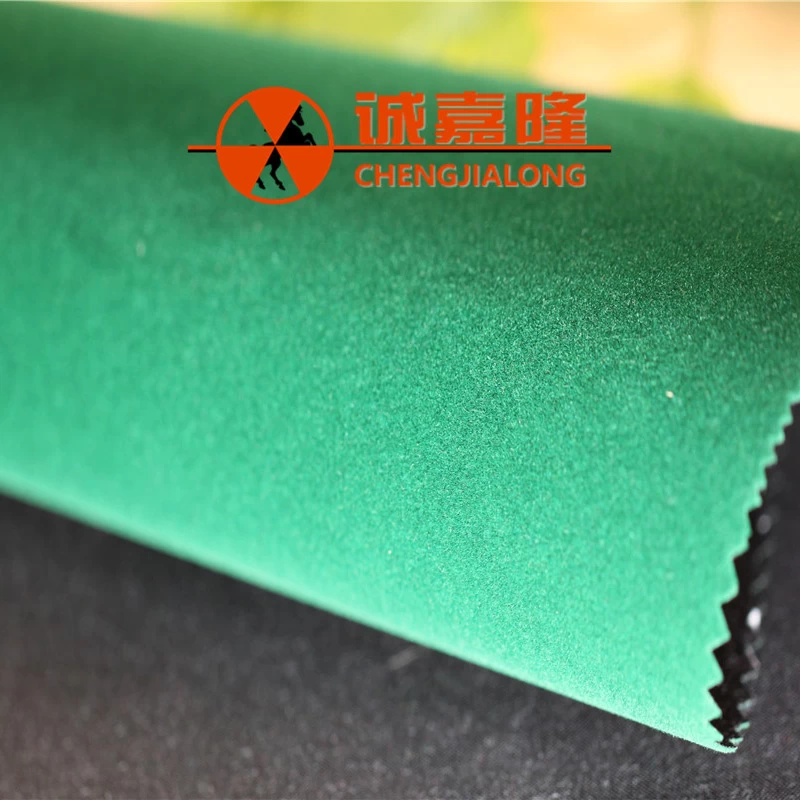
Non-woven flocking materials are made from synthetic fibers that are bonded together through various methods, without the need for weaving or knitting. These materials can be coated with short fibers (flocking) to create a soft surface texture, making them ideal for applications where a plush feel is desired, such as upholstery, clothing, and craft projects.
The most common fibers used in non-woven flocking include polyester and nylon. These synthetic materials are chosen for their durability, resistance to wear, and ease of maintenance. However, their production process raises concerns about environmental sustainability.
## Lifecycle Analysis of Non-Woven Flocking Materials
A thorough understanding of the environmental impact of non-woven flocking materials requires a lifecycle analysis (LCA), which examines the material's environmental effects from raw material extraction through manufacturing, use, and disposal.
### 1. Raw Material Extraction
The primary raw materials for non-woven flocking—petroleum-based polymers—are derived from fossil fuels. The extraction process of crude oil involves significant environmental degradation, including habitat destruction, water pollution, and greenhouse gas emissions. The reliance on petroleum not only contributes to climate change but also depletes finite natural resources.
### 2. Manufacturing Process
The manufacturing of non-woven flocking materials involves several steps, including polymerization, fiber production, and the flocking process itself. Each stage contributes to the overall carbon footprint:
- **Polymerization**: This step involves converting crude oil into polymers. The energy-intensive nature of this process leads to substantial CO2 emissions.
- **Fiber Production**: Once polymers are created, they are transformed into fibers through extrusion and spinning. This process often uses large amounts of water and chemicals, which can lead to wastewater and chemical runoff issues if not properly managed.
- **Flocking Process**: The flocking process applies short fibers to the base material using adhesive methods. While this adds desirable textures and aesthetics, the adhesives can contain harmful volatile organic compounds (VOCs) that contribute to indoor air pollution and have health implications.
### 3. Product Use
Non-woven flocking materials are widely used in various products, from clothing to home decor. Their durability means they often have a longer lifespan than traditional textiles, which can be seen as a positive aspect. However, when these products reach the end of their life cycle, they often end up in landfills, where synthetic fibers can take hundreds of years to decompose.
### 4. Disposal and Recycling
The disposal of non-woven flocking materials presents significant challenges. Traditional recycling methods for textiles do not typically accommodate synthetic fibers, leading to increased landfill waste. Moreover, the presence of adhesives and other chemicals complicates the recycling process. Some companies are exploring innovative recycling techniques, such as chemical recycling, which breaks down plastics into their monomers for reuse. However, widespread adoption of such technologies is still in its infancy.
## The Role of Sustainability in Non-Woven Flocking Materials
As consumers become more environmentally conscious, there is a growing demand for sustainable alternatives in the textile industry. Several strategies are being explored to mitigate the environmental impact of non-woven flocking materials.
### 1. Sustainable Sourcing of Raw Materials
Finding alternative raw materials is essential in reducing the ecological footprint of non-woven flocking. Biodegradable polymers made from renewable resources, such as corn starch or sugarcane, are being developed. These materials can reduce reliance on fossil fuels and provide a more sustainable option for manufacturers.
### 2. Eco-Friendly Manufacturing Processes
Manufacturers are increasingly focusing on reducing their carbon footprints by adopting cleaner production techniques. This includes minimizing energy consumption, utilizing renewable energy sources, and optimizing water usage during the fiber production process. Additionally, companies are exploring the use of eco-friendly adhesives that emit fewer VOCs and are less hazardous to human health.
### 3. Enhanced Recycling Programs
To combat the disposal issues associated with non-woven flocking materials, enhanced recycling programs are essential. Collaboration among manufacturers, retailers, and consumers can facilitate take-back schemes where used products are collected and repurposed. Educating consumers on proper disposal methods, as well as increasing awareness about existing recycling initiatives, can also play a crucial role.
### 4. Circular Economy Models
Embracing a circular economy model can significantly reduce the environmental impact of non-woven flocking materials. This approach promotes the continual use of resources by designing products for longevity and recyclability. Companies can incorporate strategies such as upcycling and repairability into their product designs, encouraging consumers to extend the life of their goods rather than disposing of them.
## Conclusion
The environmental impact of non-woven flocking materials is multifaceted, spanning from resource extraction to production, use, and disposal. While these materials offer numerous benefits, their reliance on fossil fuels and the challenges associated with their lifecycle raise critical sustainability questions.
In response to growing environmental concerns, the industry must prioritize sustainable practices, including the use of biodegradable materials, eco-friendly manufacturing processes, and comprehensive recycling initiatives. By pursuing innovative alternatives and embracing circular economy principles, manufacturers can significantly reduce the environmental footprint of non-woven flocking materials and contribute to a more sustainable future.
As consumers, we also play a vital role in driving this change. By choosing products made from sustainable materials, supporting companies committed to environmentally responsible practices, and advocating for better recycling solutions, we can collectively influence the direction of the textile industry and foster a healthier planet for generations to come.