# An In-Depth Look at the Journey from Recycling Bull Leather to Producing High-Quality Nubuck
### Introduction
The leather industry is a significant player in global commerce, with products ranging from luxury handbags to everyday footwear. Among the various types of leather, nubuck holds a special place due to its unique texture and durability. This article explores the intricate journey from recycling bull leather to producing high-quality nubuck, shedding light on the processes involved, the benefits of recycling leather, and the environmental implications of this practice.
### Understanding Bull Leather
Bull leather comes from the hides of bulls, which are much thicker and more durable than those from cows or calves. Because of its toughness and resilience, bull leather is often used in premium products that require longevity and strength. However, the industry has faced increasing scrutiny over its environmental impact, prompting companies to explore sustainable alternatives, including recycling and repurposing leather.
#### The Importance of Recycling Leather
The recycling of leather serves multiple purposes:
1. **Environmental Sustainability**: Traditional leather production is resource-intensive, requiring vast amounts of water and energy while generating waste and pollution. By recycling leather, manufacturers can significantly reduce their carbon footprint.
2. **Resource Optimization**: Leather is a valuable material. Recycling allows companies to maximize the use of existing resources rather than relying on new raw materials.
3. **Innovation**: The demand for sustainable products has led to innovative techniques in leather processing, resulting in high-quality goods that appeal to environmentally conscious consumers.
### The Recycling Process
The journey from bull leather to nubuck begins with the recycling process. This involves several stages, each designed to maintain the integrity and quality of the original leather while transforming it into a new product.
#### 1. Collection and Sorting
The first step in recycling leather is the collection of discarded leather products. This can include anything from old jackets to defective hides. Once collected, these items are sorted based on their quality and type. High-quality bull leather is prioritized for nubuck production, while lower-grade materials may be repurposed for other uses.
#### 2. Cleaning and Preparation
After sorting, the leather undergoes thorough cleaning to remove any dirt, oils, or contaminants. This is crucial as impurities can affect the final product's quality. Once cleaned, the leather is prepped for processing, which may involve cutting it into manageable pieces and removing hardware like zippers and buttons.
#### 3. Tanning
Tanning is a vital stage in leather production, responsible for preserving the hide and preventing decomposition. In the case of recycled bull leather, the tanning process must be carefully controlled to ensure that the final product retains its natural characteristics. Various methods, such as vegetable tanning or chrome tanning, can be employed, depending on the desired outcome.
#### 4. Buffing and Finishing
Once tanned, the leather is ready for buffing. This process involves sanding the surface of the leather to create a soft, velvety texture characteristic of nubuck. The buffing process also helps to remove any imperfections and enhances the leather's overall appearance. After buffing, the leather may undergo additional finishing treatments, including dyeing, coating, or conditioning, to further improve its properties.
### The Transformation to Nubuck
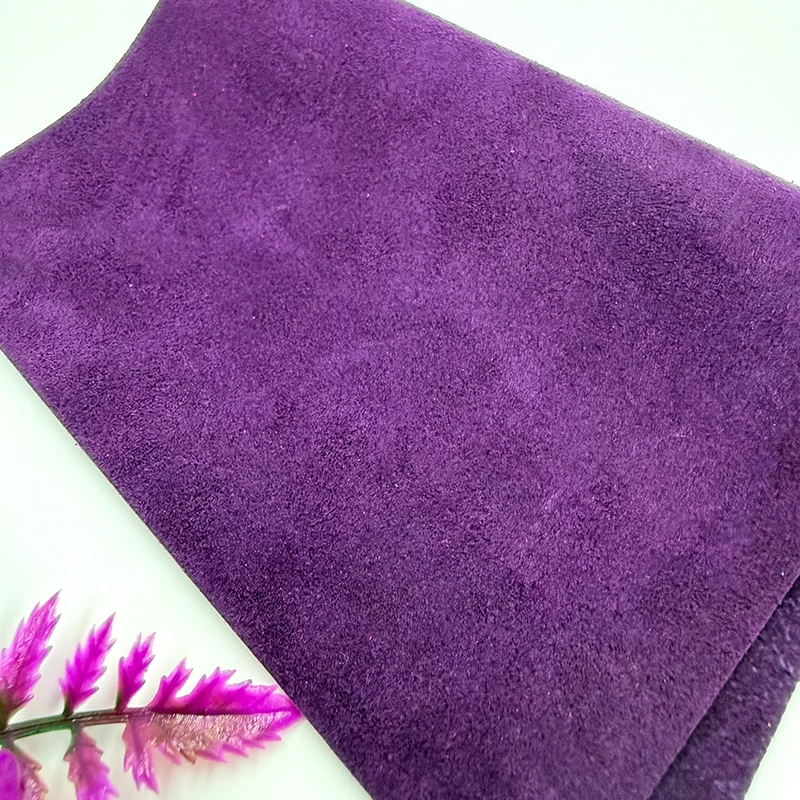
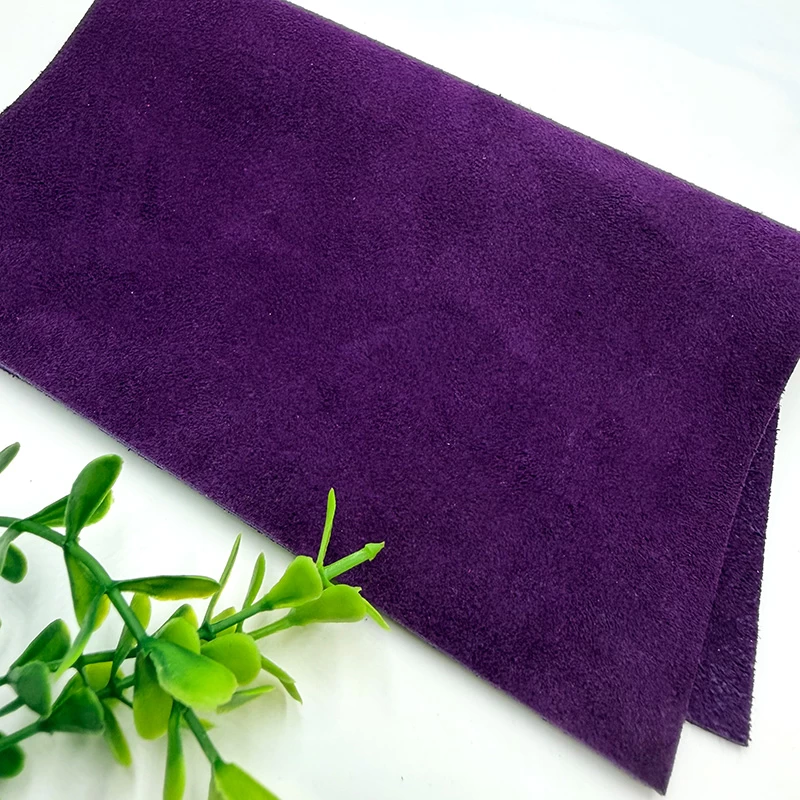
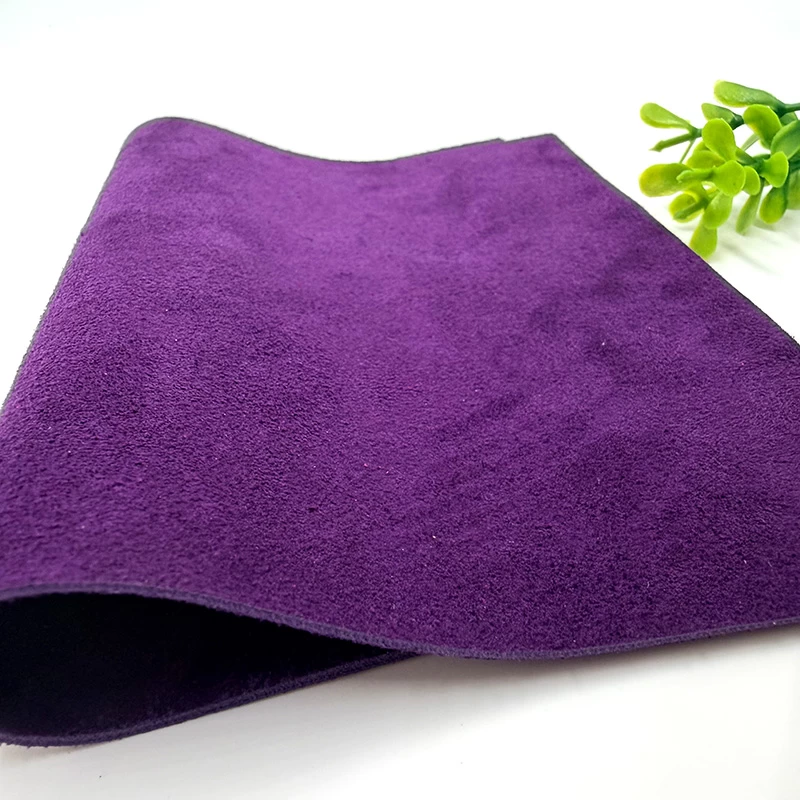
Nubuck is created by buffing the outer layer of the leather, creating a soft, nap-like finish. Unlike suede, which is made from the underside of the hide, nubuck maintains the outer grain, offering a more robust and durable option.
#### 1. Texture and Appearance
One of the defining features of nubuck is its texture. The gentle buffing process creates a soft surface that feels luxurious to the touch. The natural grain of the bull leather remains visible, giving nubuck its unique character. The depth of color and texture can vary depending on the dyeing process, adding to the material's appeal.
#### 2. Durability
Nubuck is known for its durability, making it suitable for various applications, including shoes, bags, and upholstery. The thickness of bull leather contributes to its strength, ensuring that nubuck products can withstand wear and tear over time. Additionally, the tanning process helps retain the leather's natural oils, providing flexibility and resilience.
#### 3. Maintenance
While nubuck is a durable material, it does require specific care to maintain its appearance. Regular brushing with a soft brush can help remove dirt and revive the nap of the leather. Specialized nubuck cleaners may also be used to treat stains without damaging the surface. Furthermore, applying a protective spray can enhance water resistance and prevent staining.
### The Environmental Impact
The transition from recycling bull leather to producing nubuck has significant implications for sustainability in the leather industry. By repurposing existing materials, manufacturers can mitigate some of the harmful effects associated with traditional leather production.
#### 1. Reducing Waste
Recycling leather helps reduce the volume of waste that would otherwise end up in landfills. The leather industry is notorious for its waste, and utilizing recycled materials allows companies to minimize their environmental footprint.
#### 2. Energy Conservation
The process of recycling leather typically requires less energy compared to producing new leather from raw hides. This reduction in energy consumption contributes to lower greenhouse gas emissions and helps combat climate change.
#### 3. Promoting Sustainable Practices
As consumer demand for sustainable products grows, the recycling of leather encourages companies to adopt more environmentally friendly practices. This shift can inspire broader changes within the leather industry, promoting innovation and reducing reliance on virgin materials.
### Challenges and Considerations
While the journey from recycling bull leather to producing nubuck offers many benefits, it also presents challenges that must be addressed.
#### 1. Quality Consistency
Maintaining quality consistency in recycled leather can be difficult. Variability in the source material can lead to differences in texture, color, and durability. Manufacturers must implement rigorous quality control measures to ensure that the final products meet industry standards.
#### 2. Cost Implications
The recycling process can be more labor-intensive than traditional leather production, potentially driving up costs. Companies must balance sustainability efforts with profitability, which can be a delicate task.
#### 3. Consumer Education
Educating consumers about the benefits of recycled nubuck is essential for driving demand. Many consumers remain unaware of the environmental advantages of choosing sustainable leather products, highlighting the need for effective marketing and awareness campaigns.
### Conclusion
The journey from recycling bull leather to producing high-quality nubuck exemplifies a commitment to sustainability and innovation in the leather industry. By repurposing existing materials, manufacturers can create luxurious, durable products while minimizing environmental impact. As consumers become increasingly aware of the importance of sustainable practices, the demand for recycled leather will continue to grow, paving the way for a more eco-friendly future.
In conclusion, the evolution of leather recycling not only reflects advancements in processing techniques but also highlights the industry's responsibility to embrace sustainability. As we move forward, the emphasis on recycling and responsible sourcing will play a critical role in shaping the future of the leather market, ultimately benefiting both consumers and the environment alike.