# The Process Behind Creating Purple Recycled Bull Nubuck Leather
The fashion and accessories industry has been undergoing a significant transformation as awareness about sustainability and eco-friendliness grows. One of the innovations leading this change is the development of recycled leather, particularly Purple Recycled Bull Nubuck Leather. This article delves into the intricate process behind creating this unique material, highlighting its environmental benefits, production techniques, and applications in modern design.
## Understanding Nubuck Leather
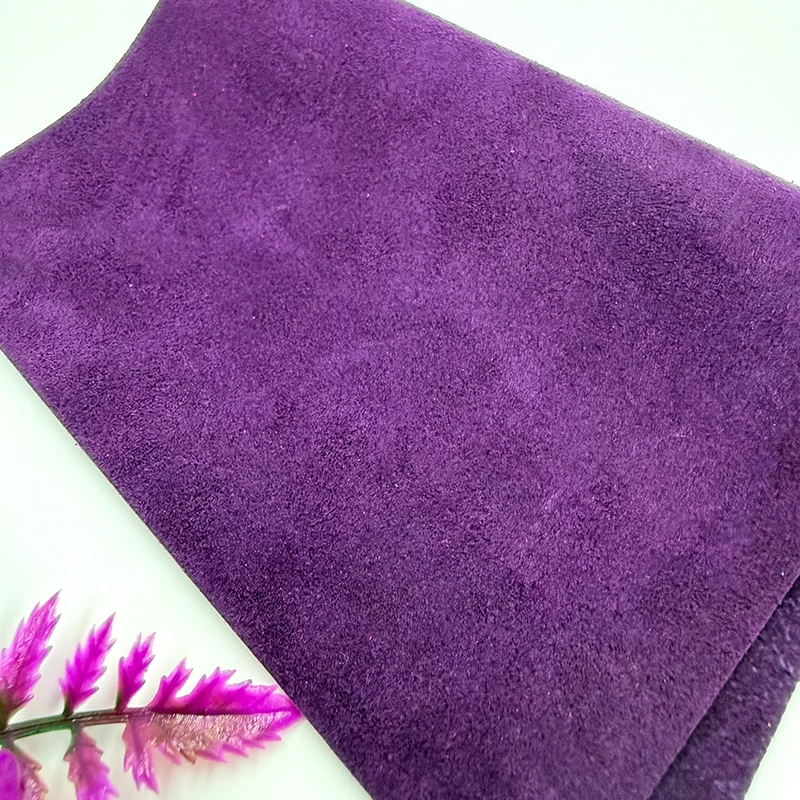
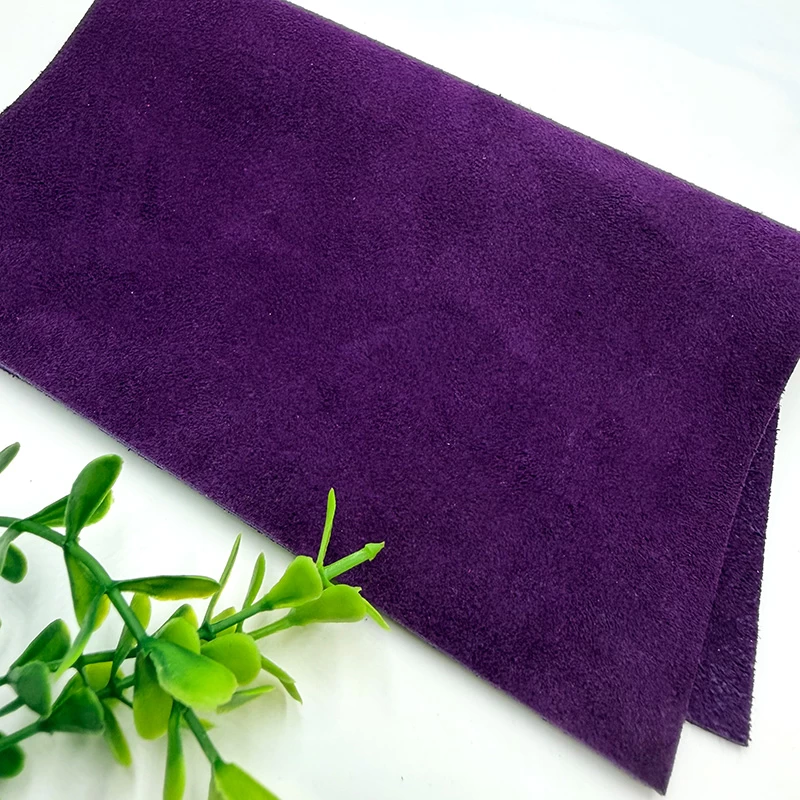
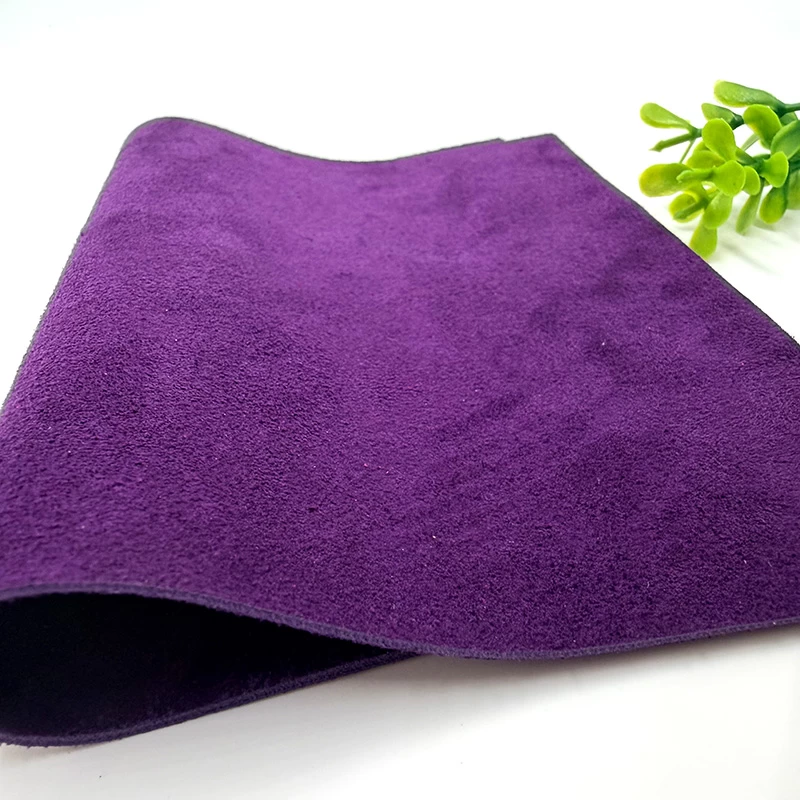
Before exploring the recycling process, it’s essential to understand what nubuck leather is. Traditionally, nubuck is made from high-quality bovine hides that are sanded or buffed on the grain side to create a soft, velvety surface. This type of leather is prized for its durability and luxurious feel, making it a popular choice for footwear, bags, and upholstery.
### What Makes Bull Nubuck Special?
Bull nubuck specifically comes from the hides of male cattle, which tend to be thicker and more durable than those of female cattle. This makes bull nubuck exceptionally resilient, ideal for products that undergo daily wear and tear. However, the environmental impact of producing traditional leather is substantial, prompting a need for sustainable alternatives.
## The Importance of Recycling Leather
Recycling leather presents an opportunity to reduce waste and minimize the carbon footprint associated with leather production. The leather industry is notorious for its resource-intensive processes, which often involve toxic chemicals and significant water usage. By recycling leather, manufacturers can divert waste from landfills and conserve valuable resources.
### The Journey to Creating Purple Recycled Bull Nubuck Leather
Creating purple recycled bull nubuck leather involves several stages, each crucial to ensuring the final product meets quality standards while being environmentally friendly.
### 1. Sourcing Raw Materials
The first step in creating recycled leather is sourcing used leather products, such as furniture, clothing, or accessories. These items are often collected from donations, manufacturing scraps, or industrial waste. The goal is to gather high-quality bull nubuck leather, which can then be repurposed.
### 2. Sorting and Cleaning
Once the raw materials are sourced, they undergo a thorough sorting process. During this stage, the leather is inspected for quality, with damaged or heavily worn pieces set aside. The selected leather is then cleaned to remove any contaminants, dirt, or residues. This is typically done through environmentally friendly cleaning agents to maintain the sustainability focus.
### 3. Shredding and Refining
After cleaning, the leather is shredded into smaller pieces. This process enhances the material’s flexibility and prepares it for further treatment. The shredded leather is then refined using specialized machinery that separates fibers and removes any remaining impurities. The output is a soft, fibrous mass that can be easily manipulated.
### 4. Dyeing Process
One of the most exciting aspects of creating purple recycled bull nubuck leather is the dyeing process. Traditional dyes, often laden with harmful chemicals, are avoided in favor of eco-friendly alternatives. Water-based dyes or plant-based pigments are utilized to achieve the desired purple hue. This not only reduces the environmental impact but also provides a unique, rich color that sets the leather apart.
### 5. Binding and Treatment
Once dyed, the leather fibers need to be bound together to recreate the texture and structure of traditional nubuck. A mixture of natural binders is applied to ensure the integrity and durability of the new material. This stage may also include treatments to enhance water resistance and maintain the soft, luxurious feel characteristic of nubuck leather.
### 6. Finishing Touches
The final step in producing purple recycled bull nubuck leather is finishing. This involves sanding the surface to achieve the soft, velvety texture synonymous with nubuck. Additionally, the leather is treated with protective coatings to enhance its durability and resistance to stains and scratches. The result is a high-quality, eco-friendly leather that retains the elegance and charm of traditional materials.
## Applications in Modern Design
Purple recycled bull nubuck leather has opened new avenues for designers and brands focused on sustainability. Its unique color and texture make it suitable for a wide range of products, including:
### Footwear
Sustainable fashion brands are increasingly incorporating recycled leather into their shoe designs. The vibrant purple hue adds a pop of color, while the durability of bull nubuck ensures longevity, making these shoes both stylish and practical.
### Handbags and Accessories
Handbags crafted from purple recycled bull nubuck leather not only stand out due to their color but also appeal to environmentally conscious consumers. The softness of the leather allows for intricate designs and comfortable carrying experiences.
### Upholstery
In the world of interior design, purple recycled bull nubuck leather can be used for upholstery in furniture items, providing a luxurious feel with a sustainable backstory. Sofas, chairs, and cushions made from this material add a touch of elegance to any living space while promoting eco-friendly practices.
### Fashion Apparel
Designers are also experimenting with purple recycled bull nubuck leather in apparel, creating jackets, skirts, and other fashion items that marry style with sustainability. The unique texture and color can elevate outfits, making them perfect for eco-conscious fashionistas.
## The Role of Technology in the Production Process
Advancements in technology have played a significant role in enhancing the efficiency and effectiveness of the recycled leather production process. Innovations such as computer-aided design (CAD) software allow designers to visualize and simulate how the leather will perform in various applications. Moreover, automation in sorting, cleaning, and dyeing processes helps maintain consistency and quality.
### The Future of Recycled Leather
As the demand for sustainable materials continues to rise, the future of recycled leather looks promising. Brands that embrace this movement not only benefit from appealing to eco-conscious consumers but also contribute to a healthier planet. The ongoing research into improving recycling techniques and developing new dyes will further enhance the quality and attractiveness of recycled leather products.
### Conclusion
The creation of purple recycled bull nubuck leather represents a significant step towards a more sustainable future in fashion and design. By repurposing high-quality leather and employing eco-friendly practices, manufacturers can produce a luxurious material that aligns with the values of today’s consumers. As we move forward, the continued innovation in the recycling process and the commitment to sustainable practices will pave the way for a greener, more responsible industry. Embracing recycled leather not only benefits the environment but also enriches our lives with beautiful, high-quality products that tell a story of sustainability and style.