# Innovative Uses of Non-woven Flocking in Fashion Design
The fashion industry is no stranger to innovation, constantly evolving through the advent of new materials and techniques that redefine aesthetics and functionality. One such innovative material that has recently gained traction in fashion design is non-woven flocking. This versatile textile technique allows designers to create unique textures, patterns, and finishes that enhance the overall appeal of garments and accessories. In this article, we will delve into the innovative uses of non-woven flocking in fashion design, exploring its benefits, applications, and potential future developments.
## Understanding Non-woven Flocking
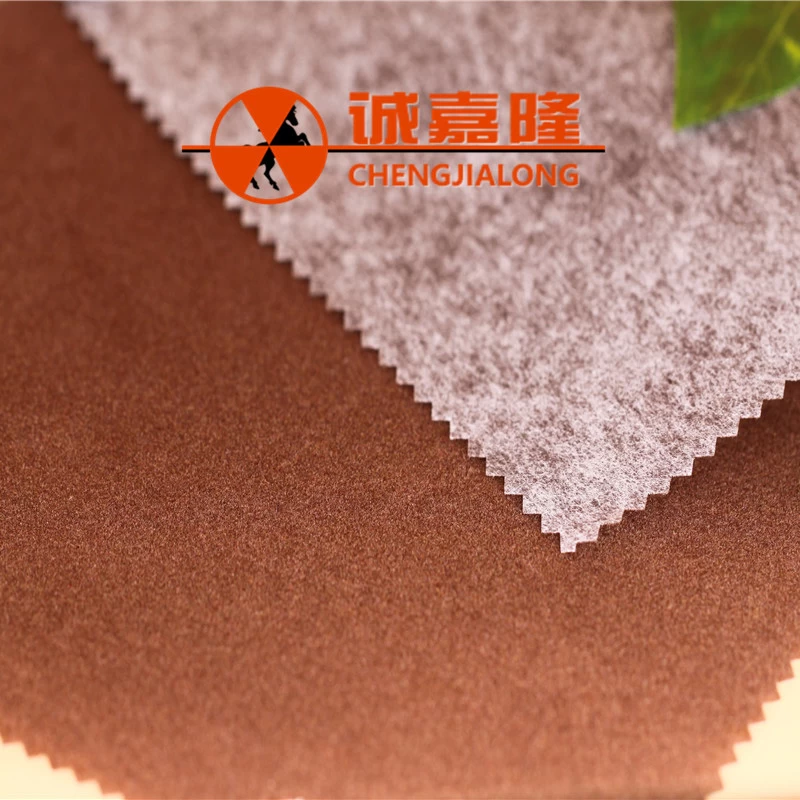
Before we explore its innovative uses, it is essential to understand what non-woven flocking is. Flocking involves the application of short fibers to a base material, creating a soft, velvety surface. Non-woven flocking, as the name suggests, refers to the process of applying these fibers onto a substrate that is not woven, typically made of synthetic materials such as polyester or nylon.
The flocking process can be executed through various methods, including electrostatic application, adhesive bonding, or mechanical means. The result is a fabric that boasts a unique tactile quality, making it appealing for various applications in fashion design.
## Texture and Aesthetic Appeal
One of the primary reasons designers are increasingly turning to non-woven flocking is its ability to add texture and visual interest to garments. The soft, plush feel of flocked fabrics can elevate the sensory experience of fashion items, making them more luxurious and inviting. For example, a flocked evening gown can create an opulent look while providing comfort to the wearer.
In addition to its tactile properties, non-woven flocking offers a wide range of colors and patterns, enabling designers to experiment with creative designs. With the ability to create intricate patterns through flocking, designers can craft one-of-a-kind pieces that stand out on the runway or retail floor.
## Sustainability Considerations
As the fashion industry grapples with the pressing need for sustainability, non-woven flocking presents an eco-friendly alternative to traditional textiles. Many flocked fabrics are made from recycled materials, reducing the environmental impact associated with textile production. Furthermore, the non-woven nature of flocking means less waste is generated during the manufacturing process compared to woven textiles.
Designers can further enhance the sustainability of their collections by incorporating non-toxic adhesives and dyes in the flocking process. This commitment to sustainable practices not only aligns with growing consumer demand for environmentally friendly products but also positions brands as leaders in responsible fashion.
## Innovative Applications in Fashion Design
### 1. Apparel and Accessories
Non-woven flocking has found its way into various apparel categories, from casual wear to high-end couture. Designers use flocking to create striking details on jackets, dresses, and trousers, adding depth and dimension to their creations. For instance, a casual bomber jacket with flocked motifs can transform a simple silhouette into a fashion statement.
In accessories, flocking is used extensively in handbags, shoes, and hats. A flocked handbag can provide a unique aesthetic, while also being durable and easy to clean. Additionally, flocked footwear often features intricate designs that make them visually appealing, while providing a comfortable fit.
### 2. Home Fashion
The influence of fashion extends beyond clothing, as seen in the emerging trend of home fashion. Non-woven flocking is increasingly being applied to home textiles, such as cushions, curtains, and upholstery. The soft texture and vibrant visuals of flocked materials make them ideal for interior design, allowing homeowners to create stylish and comfortable living spaces.
By incorporating flocked elements into home fashion, designers can create cohesive collections that blend seamlessly with contemporary fashion trends, ensuring that consumers can enjoy a stylish lifestyle both in their wardrobe and their homes.
### 3. Performance Wear
Beyond aesthetics, non-woven flocking offers functional advantages that make it suitable for performance wear. The lightweight nature of flocked fabrics combined with their breathability can enhance the comfort of activewear. Furthermore, flocking can be applied to moisture-wicking fabrics, ensuring that athletes stay dry and comfortable during intense activities.
Innovative designers are exploring the potential of flocking in sportswear, integrating it into everything from yoga pants to cycling jerseys. The combination of style and functionality can attract a broader consumer base, appealing to both fashion-conscious individuals and serious athletes.
### 4. Cost-effective Mass Production
Another significant benefit of non-woven flocking lies in its cost-effectiveness for mass production. The flocking process allows for rapid production and customizations, which can be particularly advantageous for fast-fashion brands. By utilizing non-woven flocking technology, companies can efficiently produce large quantities of unique designs, meeting the demands of a rapidly changing market.
Additionally, the versatility of flocked materials allows for easy integration with existing manufacturing processes, making it a viable option for brands looking to innovate without overhauling their entire production systems.
## Future Trends and Developments
As with any innovative material, the future of non-woven flocking in fashion design is bright. Emerging technologies, such as digital printing and smart textiles, are expected to shape the next generation of flocked fabrics. The integration of digital printing allows for even more intricate designs, while smart textiles can incorporate functionalities like temperature regulation or moisture management.
Moreover, as sustainability continues to be a driving force in the fashion industry, innovations focused on eco-friendly flocking processes will likely gain momentum. Researchers and designers are exploring biodegradable flocking materials and water-based adhesives to minimize environmental impact.
## Conclusion
Non-woven flocking has emerged as a revolutionary textile technique in the fashion design landscape, offering a unique blend of aesthetics, functionality, and sustainability. From elevating the texture of apparel to enhancing the appeal of accessories and home fashion, the innovative applications of flocking are vast and varied.
As designers continue to push the boundaries of creativity and sustainability, non-woven flocking will undoubtedly play a pivotal role in shaping the future of fashion. It invites us to rethink our approach to materials and encourages a deeper exploration of how innovation can lead to more enriching, responsible, and aesthetically pleasing fashion experiences. Whether on the runway or in everyday wear, non-woven flocking is set to leave an indelible mark on the tapestry of modern fashion design.