# Comparing Non-woven Flocking to Traditional Flocking: Pros and Cons
In the realm of textiles, flocking has emerged as a popular technique for enhancing the aesthetic appeal and tactile quality of various materials. Flocking involves the application of short fibers to a surface, creating a velvety texture that is both visually appealing and soft to the touch. Traditionally, this process involved the use of woven fabrics, but advancements in manufacturing have introduced non-woven flocking as an alternative. This article aims to provide a comprehensive comparison between non-woven flocking and traditional flocking, examining their respective pros and cons.
## Understanding Flocking Techniques
Before diving into the specifics of non-woven and traditional flocking, it’s essential to understand what flocking entails. The flocking process involves applying tiny fibers, typically made of nylon, polyester, or rayon, onto a substrate using adhesive. These fibers can create various textures and colors, making flocked materials suitable for applications ranging from fashion to home décor.
### Traditional Flocking
Traditional flocking typically utilizes woven fabrics as a base. In this method, the fibers are adhered to the fabric surface through electrostatic means or adhesive bonding. The result is a durable and luxurious finish often found in upholstery, drapery, and specialized clothing.
#### Pros of Traditional Flocking:
1. **Durability**: Traditional flocking is known for its strength and longevity. The woven fabric provides a sturdy foundation that resists wear and tear, making it ideal for high-traffic areas.
2. **Rich Texture**: The combination of woven base and flocked fibers creates a rich, textured surface that enhances the aesthetic appeal of the product.
3. **Variety of Applications**: Traditional flocking can be used in multiple applications, including automotive interiors, furniture, and decorative items.
4. **High Color Retention**: The dyes used in traditional flocking tend to have excellent color retention, ensuring that the vibrancy of the product remains intact over time.
5. **Comfort**: The resulting texture is soft and pleasant to touch, making it suitable for applications where comfort is a priority, such as bedding and clothing.
#### Cons of Traditional Flocking:
1. **Cost**: The traditional flocking process can be more expensive due to the materials and labor involved, leading to higher final costs for consumers.
2. **Environmental Impact**: The production of woven fabrics often involves significant water and energy consumption, contributing to environmental concerns.
3. **Limited Flexibility**: While traditional flocking offers a luxurious finish, the rigidity of woven fabrics may limit design flexibility in certain applications.
### Non-woven Flocking
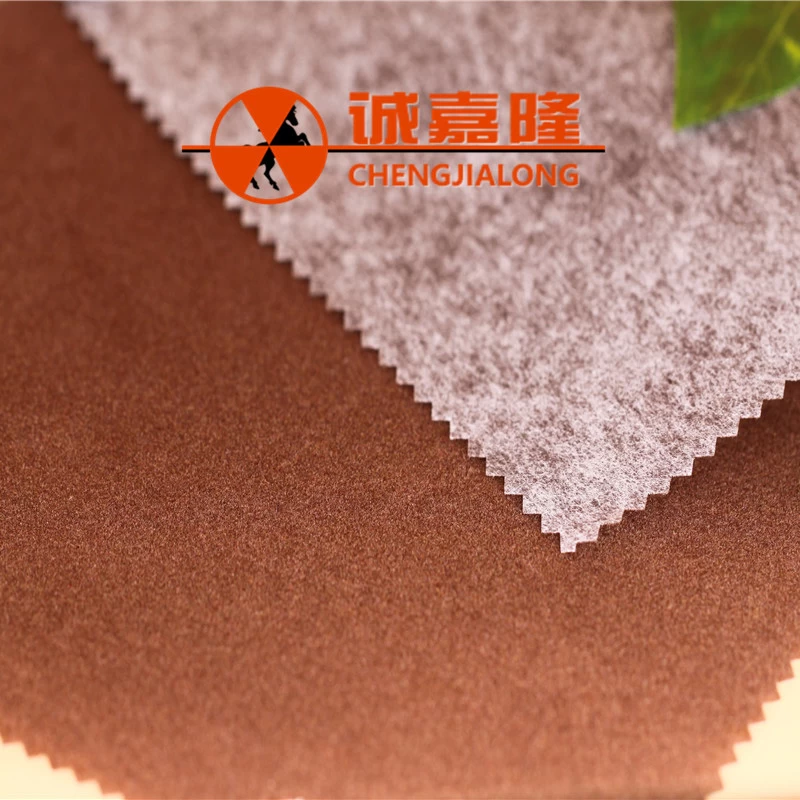
Non-woven flocking, on the other hand, utilizes synthetic materials that do not undergo the weaving process. Instead, the fibers are bonded together using heat, chemicals, or mechanical processes. This innovative approach has gained popularity due to its versatility and cost-effectiveness.
#### Pros of Non-woven Flocking:
1. **Cost-Effectiveness**: Non-woven flocking is generally less expensive than traditional flocking. The simplified manufacturing process reduces production costs, which can translate to savings for consumers.
2. **Design Flexibility**: Non-woven materials can be easily manipulated into various shapes and forms, allowing for greater design creativity. This flexibility is beneficial for manufacturers seeking to create unique products.
3. **Environmental Advantages**: Non-woven flocking often uses fewer resources in its production compared to traditional methods. Additionally, some manufacturers are exploring sustainable materials, making non-woven flocking a potentially eco-friendlier option.
4. **Lightweight**: Non-woven flocked materials tend to be lighter than their traditional counterparts, which can be advantageous in applications such as apparel and accessories.
5. **Ease of Maintenance**: Non-woven flocked surfaces can be easier to clean and maintain, making them suitable for environments where hygiene is a concern.
#### Cons of Non-woven Flocking:
1. **Reduced Durability**: While non-woven flocking can be durable, it may not match the longevity of traditional flocking. The absence of a woven foundation can make these materials more susceptible to wear and damage over time.
2. **Texture Variability**: The texture achieved with non-woven flocking may not always match the plush feel of traditional flocking. Some consumers may prefer the luxurious touch of woven fabrics.
3. **Potential for Shedding**: Non-woven flocked materials may be prone to shedding fibers, particularly during the initial stages of use. This can be a concern for applications where cleanliness and aesthetics are paramount.
4. **Limited Color Options**: While non-woven flocking can achieve various colors, the dyeing process may not offer the same depth and richness as traditional flocking.
5. **Perceived Quality**: Some consumers may associate traditional flocking with higher quality due to its long-standing presence in the market, leading to potential biases against non-woven options.
## Application Considerations
When choosing between non-woven and traditional flocking, it is crucial to consider the specific application and intended use of the material. Here are several factors to consider:
### 1. **End Use**
Understanding the end use of the flocked item is essential. For example, if the product is intended for heavy-duty applications, such as automotive interiors or commercial upholstery, traditional flocking may be the better choice due to its durability. Conversely, if the product is aimed at fashion accessories or short-term displays, non-woven flocking may provide adequate performance at a lower cost.
### 2. **Aesthetic Preferences**
The aesthetic appeal of the flocked material is another critical consideration. If a rich, luxurious texture is desired, traditional flocking may be the preferred option. On the other hand, if design flexibility and lightweight characteristics are prioritized, non-woven flocking could be the superior choice.
### 3. **Budget Constraints**
For projects with strict budget limitations, non-woven flocking can provide an affordable alternative without sacrificing performance. Manufacturers looking to minimize production costs may find non-woven options more attractive.
### 4. **Sustainability Goals**
As sustainability becomes increasingly important in consumer purchasing decisions, manufacturers should consider the environmental impact of their materials. Non-woven flocking may offer a more sustainable solution, especially if produced from recycled materials or through eco-friendly processes.
### 5. **Maintenance Requirements**
The ease of maintenance of flocked materials can influence the choice between non-woven and traditional options. For items that require frequent cleaning or are exposed to high levels of dirt and grime, non-woven flocking may be favored for its easy-to-clean characteristics.
## Conclusion
In conclusion, both non-woven and traditional flocking techniques offer unique advantages and disadvantages. Traditional flocking is celebrated for its durability, rich texture, and wide range of applications, making it suitable for high-end products. However, it often comes at a higher cost and can be less environmentally friendly. Conversely, non-woven flocking provides cost-effective solutions, design flexibility, and potential environmental benefits, but may lack the durability and luxurious feel associated with traditional methods.
Ultimately, the decision between non-woven and traditional flocking will depend on the specific needs and preferences of the manufacturer or consumer. By understanding the pros and cons of each technique, stakeholders can make informed choices that align with their goals and values. Whether opting for the classic appeal of traditional flocking or the modern advantages of non-woven flocking, both techniques continue to play a significant role in the textile industry, enriching the world of design and functionality.