# Discuss How Non-Woven Flocking is Transforming the Fashion Industry, from Apparel to Accessories
The fashion industry has always been a realm of innovation, attracting creative minds eager to push boundaries and explore new materials. One of the most transformative developments in recent years has been the use of non-woven flocking. This technology, which involves applying fine fibers to a substrate, is revolutionizing not only how textiles feel and look but also their functionality and sustainability. In this article, we will delve into how non-woven flocking is changing the landscape of both apparel and accessories, enhancing aesthetics, comfort, and ecological impact.
## Understanding Non-Woven Flocking
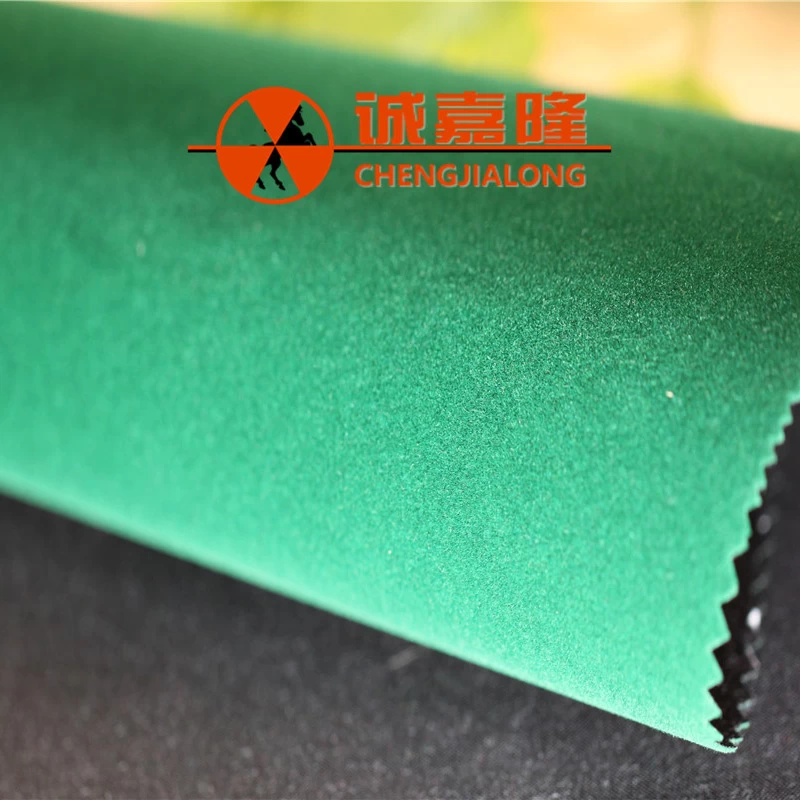
Before exploring its impact on fashion, it's essential to understand what non-woven flocking entails. Non-woven fabrics are made by bonding fibers together through various processes, typically without weaving or knitting. The application of flocking involves depositing short textile fibers onto an adhesive-coated surface, creating a soft, velvety texture.
### Key Advantages of Non-Woven Flocking
1. **Versatile Applications**: Non-woven flocking can be used across various products, from clothing to handbags, shoes, and even home décor.
2. **Enhanced Aesthetics**: The technique provides a unique visual appeal, offering a variety of colors and textures that can be tailored to meet diverse consumer preferences.
3. **Comfort and Functionality**: The plush surface created by flocking enhances comfort, making garments and accessories more pleasant to wear. Additionally, certain flocked materials can offer improved thermal insulation and moisture-wicking properties.
4. **Sustainability**: Non-woven flocking can utilize recycled materials, contributing to reduced waste in the fashion industry—a sector often criticized for its environmental footprint.
5. **Cost-Effective Production**: The production of non-woven flocked materials can be less labor-intensive than traditional weaving or knitting methods, potentially reducing costs.
## Transformations in Apparel
### Elevated Fashion with Textures
In apparel, non-woven flocking has opened up a world of tactile experiences. Designers are incorporating flocked fabrics into various collections, from high-end fashion to streetwear. The soft, velvety texture adds depth to garments, allowing designers to create striking visual contrasts and unique silhouettes. For instance, a minimalist dress can be elevated with flocked detailing, while a casual jacket can gain an added layer of sophistication.
### Innovative Designs
Fashion designers are leveraging non-woven flocking to explore innovative patterns and designs. By combining different colors and textures, they can create eye-catching garments that stand out in a crowded market. The versatility of flocking allows for intricate designs that may have been challenging to achieve with traditional fabric manipulation techniques.
### Functional Apparel
Beyond aesthetics, non-woven flocking can enhance functionality in apparel. For example, sportswear brands are now using flocked materials that provide moisture-wicking properties, keeping athletes dry and comfortable during workouts. Additionally, flocking can improve thermal insulation, making it ideal for winter wear. As consumer demands shift towards functionality and performance, flocked apparel is poised to meet these needs effectively.
## Revolutionizing Accessories
### Handbags and Footwear
The influence of non-woven flocking extends to accessories, particularly in the realms of handbags and footwear. Designers are experimenting with flocked surfaces on bags, creating luxurious yet practical pieces that appeal to a wide range of consumers. A flocked handbag can serve as a statement piece, offering both aesthetic value and functional durability.
Footwear has also seen a significant transformation due to flocking technology. Sneakers adorned with flocked details not only look chic but also offer a unique tactile experience. The use of flocking in shoe design allows for a comfortable fit while providing breathability. Moreover, flocked materials are often easier to clean, making them a practical choice for everyday wear.
### Jewelry and Home Accessories
In addition to clothing and bags, flocking is making waves in jewelry design. Non-woven flocking can be applied to metal or plastic components, adding a soft touch to otherwise hard materials. This blend of textures creates intriguing contrasts and has led to the development of innovative jewelry pieces that challenge traditional design norms.
Home decor is another area where flocking is making an impact. From cushion covers to wall hangings, flocked materials add a layer of sophistication and warmth. The versatility of flocking allows designers to experiment with different colors and patterns, resulting in unique home accessories that resonate with contemporary aesthetics.
## Sustainability in Focus
As the fashion industry grapples with its environmental impact, non-woven flocking presents an opportunity for sustainable practices. Many flocked materials are produced using recycled fibers, helping reduce waste and promote circularity within the fashion ecosystem. Furthermore, the lightweight nature of non-woven fabrics reduces transportation emissions, contributing to a smaller carbon footprint.
Brands that prioritize sustainability are increasingly adopting flocking technology as part of their materials strategy. By communicating their commitment to eco-friendly practices, these brands not only appeal to environmentally conscious consumers but also position themselves as leaders in the evolving fashion landscape.
## Challenges and Considerations
While non-woven flocking offers numerous benefits, it is not without challenges. The initial investment in technology and training can be a barrier for some smaller brands. Additionally, maintaining quality control during the flocking process is crucial to ensure consistency and durability in the final product.
Moreover, there is the ongoing challenge of consumer perception. As non-woven flocked materials become more popular, educating consumers about their benefits and sustainability features will be vital for widespread acceptance.
## Conclusion
Non-woven flocking is undeniably transforming the fashion industry, crafting a new narrative that blends aesthetics, comfort, and sustainability. From luxurious apparel to innovative accessories, the possibilities are endless. As designers continue to experiment with this versatile technique, we can expect to see even more groundbreaking applications that push the boundaries of traditional fashion.
Embracing non-woven flocking isn't just a trend; it's a step toward a more sustainable and innovative future in fashion. As the industry evolves and adapts to the demands of modern consumers, flocking technology will play a pivotal role in shaping the next generation of fashion-forward designs.
In the quest for beauty, comfort, and sustainability, non-woven flocking stands at the forefront, leading the charge into a vibrant and responsible fashion future.