# The Basics of Non-Woven Flocking: What You Need to Know
Non-woven flocking is a fascinating technique that has garnered considerable attention in various industries, from textiles and fashion to automotive interiors and packaging. This innovative method enhances the aesthetic appeal and tactile experience of surfaces, allowing for unique design possibilities. In this article, we will delve into the fundamentals of non-woven flocking, its applications, advantages, and considerations for those looking to incorporate it into their projects.
## Understanding Non-Woven Flocking
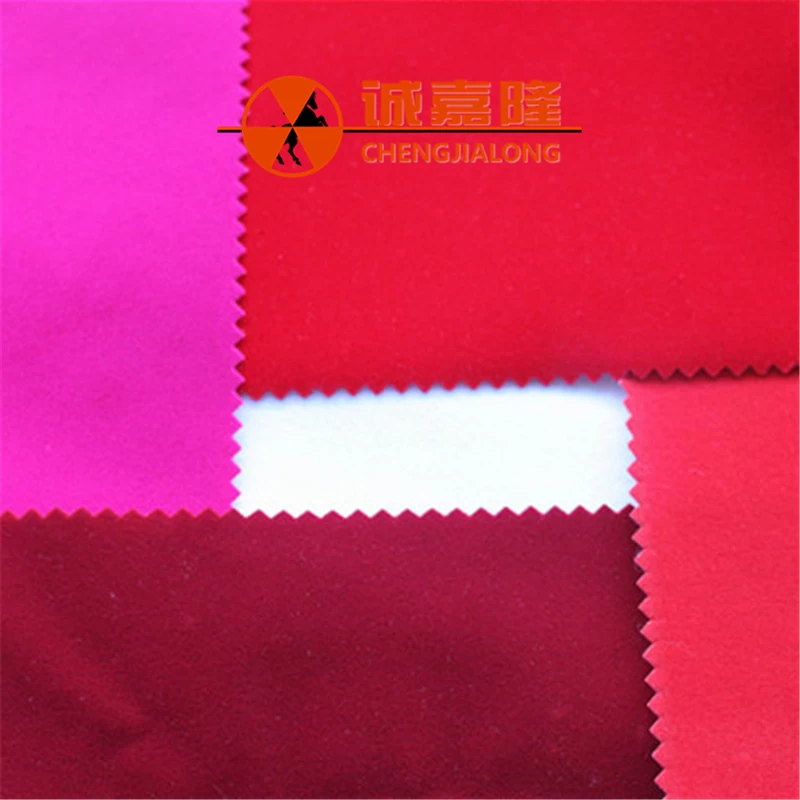
At its core, flocking involves the application of small fibers—known as flock—to a substrate, creating a soft, velvety surface. Non-woven flocking specifically refers to the use of non-woven materials as the base for this application. Non-woven fabrics are made by bonding fibers together through various methods such as heat, chemical treatment, or mechanical processes, without weaving or knitting them.
### The Flocking Process
The flocking process typically includes several key steps:
1. **Preparation of the Substrate**: The surface to be flocked is usually cleaned and prepped to ensure that it adheres properly. This often involves applying an adhesive layer to help the flock fibers stick.
2. **Application of Flock Fibers**: Flock fibers, which can be made from a variety of materials such as nylon, polyester, or rayon, are then applied to the adhesive-coated surface. This can be done using electrostatic methods, where charged fibers are attracted to the substrate, or by mechanical means, where the fibers are sprayed onto the surface.
3. **Curing**: After the fibers are applied, the adhesive is cured to secure the flock in place. This step can involve heating the substrate or allowing it to set over time.
4. **Finishing**: Finally, the flocked product may undergo additional finishing processes, such as trimming excess fibers or adding protective coatings, to enhance durability and appearance.
### Types of Flocking Materials
There are several types of materials used in non-woven flocking, each offering distinct characteristics:
- **Nylon**: Known for its durability and resilience, nylon flocking is commonly used in automotive interiors and high-wear applications.
- **Polyester**: This material is often chosen for its colorfastness and versatility, making it ideal for fashion and home textiles.
- **Rayon**: Rayon offers a luxurious feel and is often utilized in decorative applications, such as crafts and upholstery.
## Applications of Non-Woven Flocking
Non-woven flocking finds its place in a myriad of industries due to its versatility and appealing finish. Here are some prominent applications:
### 1. Textile and Fashion Industry
In the textile sector, non-woven flocking is increasingly popular for producing soft-touch fabrics. Designers utilize flocked materials for garments, accessories, and interior décor, providing a rich tactile experience that enhances the overall aesthetic. Flocked fabrics are often used in evening wear, children’s clothing, and luxury items, where a plush finish adds value.
### 2. Automotive Interiors
The automotive industry has also embraced non-woven flocking to enhance the visual and tactile quality of car interiors. Flocked surfaces are commonly found in components such as dashboards, door panels, and headliners. The soft touch reduces glare and creates a more upscale feel inside vehicles, while also helping to reduce noise levels.
### 3. Packaging Solutions
Flocking is employed in packaging to create a premium look and feel for products. Luxury goods, cosmetics, and gift items often feature flocked packaging that not only captures attention but also communicates a sense of quality. The soft surface can provide cushioning for fragile items, adding functional benefits alongside aesthetic appeal.
### 4. Crafts and DIY Projects
Flocking has gained popularity among crafters and DIY enthusiasts. It is used in scrapbooking, card-making, and home décor projects to add texture and visual interest. Flock powders are available in various colors, allowing for creative and personalized outcomes.
## Advantages of Non-Woven Flocking
There are numerous advantages to utilizing non-woven flocking in various applications:
### 1. Aesthetic Appeal
One of the most significant benefits of flocking is the luxurious, velvety finish it provides. Whether used in fashion or automotive applications, flocked surfaces elevate the visual appeal of products.
### 2. Soft Touch
The tactile sensation of a flocked surface enhances user experience. This softness can evoke feelings of comfort and luxury, making it especially desirable in consumer-facing applications.
### 3. Versatility
Non-woven flocking can be applied to a wide range of substrates and materials, lending itself to countless design possibilities. This versatility allows manufacturers to innovate and create unique products.
### 4. Noise Reduction
In automotive applications, flocking helps dampen sound, contributing to a quieter cabin environment. This can enhance the overall driving experience, making it more enjoyable.
### 5. Customization
Flocking materials come in an array of colors and textures, enabling businesses to customize products according to branding and design preferences. This flexibility can be a significant competitive advantage in the market.
## Considerations for Non-Woven Flocking
While non-woven flocking offers many advantages, there are considerations to keep in mind when incorporating it into your projects:
### 1. Cost
The initial investment in flocking may be higher than traditional finishes, particularly if you are sourcing custom materials. It is essential to weigh the long-term benefits against the upfront costs.
### 2. Durability
While flocked surfaces can be durable, they may not always withstand heavy wear and tear. Evaluating the intended use and environment is crucial to ensure that flocking is appropriate for the application.
### 3. Maintenance
Flocked surfaces may require special care to maintain their appearance. They can be more challenging to clean than smooth surfaces, so it’s important to consider how the product will be maintained over time.
### 4. Environmental Impact
When selecting flocking materials, consider their environmental impact. Sustainable options and eco-friendly adhesives are increasingly available, allowing for greener production processes.
## Conclusion
Non-woven flocking is an innovative technique that has transformed the way industries approach design and surface treatment. From adding a luxurious touch to textiles and automotive interiors to enhancing packaging solutions, the applications and advantages of flocking are extensive. As designers and manufacturers continue to explore its potential, understanding the basics of non-woven flocking will be essential for those looking to leverage this technique in their projects.
By acknowledging the process, material options, applications, and considerations associated with non-woven flocking, you can make informed decisions that enhance your products’ appeal and functionality. Whether you are a designer, manufacturer, or DIY enthusiast, non-woven flocking opens up a world of creative possibilities that can elevate your projects to new heights.