# How Non-Woven Flocking Enhances Product Performance and Aesthetics
In the world of textiles and product design, non-woven flocking has emerged as an innovative technique that bridges the gap between functionality and aesthetics. By applying small fibers to a substrate, manufacturers can create products that not only perform better but also look more appealing. This blog post delves into how non-woven flocking enhances product performance and aesthetics, exploring its applications across various industries, benefits, and the underlying technology that makes it all possible.
## Understanding Non-Woven Flocking
Non-woven flocking refers to a process where tiny fibers (or "flock") are adhered to a substrate using adhesives or electrostatic methods. This results in a soft, textured surface that can improve both the look and feel of a product. The fibers used in flocking can be made from a variety of materials, including nylon, polyester, and rayon, allowing for versatility in applications.
### The Process of Non-Woven Flocking
The flocking process begins with preparing the substrate, which can be made of fabric, paper, plastic, or other materials. The surface is then treated with adhesive, which is often designed to withstand environmental conditions such as moisture and UV light. The flock fibers are then applied, either by mechanical means or through electrostatic charging, which causes the fibers to stand upright and adhere to the substrate.
Once the fibers are in place, the product undergoes curing to ensure a strong bond between the flock and the substrate. The end result is a surface that can provide enhanced tactile experiences, visual appeal, and even functional properties.
## Enhanced Product Performance
One of the most significant advantages of non-woven flocking is its ability to enhance product performance in various ways:
### 1. Improved Grip and Handling
Flocked surfaces offer a softer texture that improves grip, making products easier to handle. This is particularly beneficial for items like tool grips, automotive interiors, or sports equipment, where a secure hold is essential. For example, a flocked handle on a tool can reduce slippage, thereby enhancing user safety and comfort.
### 2. Noise Reduction
The soft texture provided by flocking can also help absorb sound, making products quieter during use. This is especially useful in consumer electronics, automotive interiors, and high-end appliances, where noise reduction contributes to a more pleasant user experience.
### 3. Insulation Properties
Flocking can enhance the thermal and acoustic insulation properties of products. In automotive applications, for instance, flocked materials can help maintain cabin temperature while reducing road noise. This makes for a more comfortable ride, improving overall customer satisfaction.
### 4. Durability and Resistance
Flocked surfaces can be treated for additional durability, making them resistant to wear and tear, moisture, and UV damage. This is particularly important for outdoor products or items exposed to harsh environments. The result is a longer lifespan and maintained aesthetic appeal over time.
### 5. Easy Maintenance
Many flocked surfaces are easy to clean and maintain. Their texture can repel dust and dirt, and when properly treated, they resist stains. This is a critical factor for products like upholstery, clothing, and home décor, where cleanliness is paramount.
## Aesthetic Enhancements
In addition to boosting performance, non-woven flocking plays a crucial role in enhancing the visual appeal of products. Here’s how:
### 1. Texture and Depth
Flocking adds a unique texture to products, creating visual depth and a tactile quality that can be highly attractive. This is particularly effective in fashion, furniture, and packaging, where the sensory experience contributes to the overall value perception.
### 2. Color Vibrancy
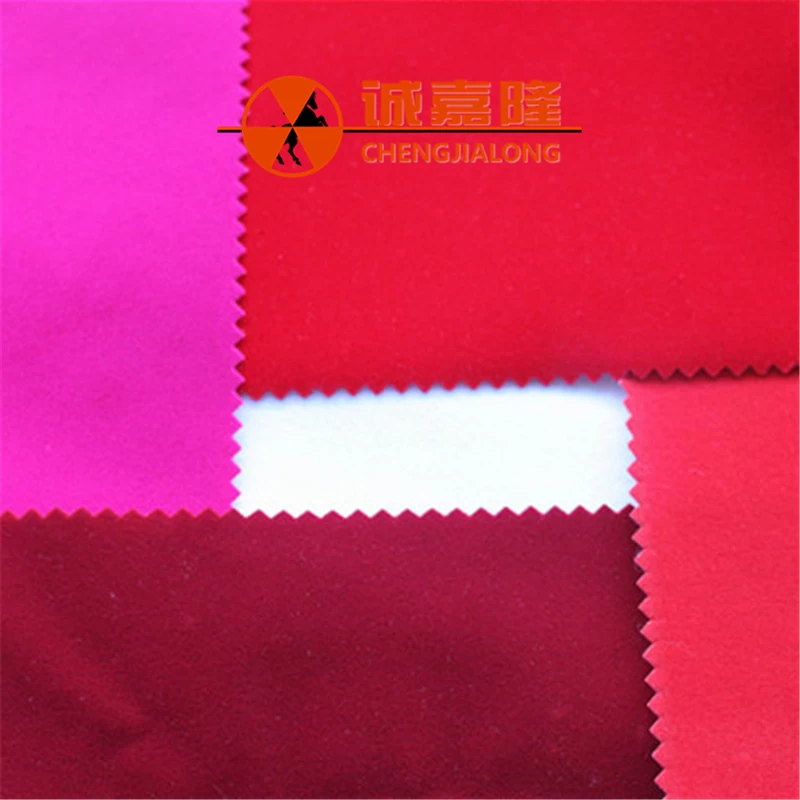
Flocked surfaces can exhibit vibrant colors due to the way fibers reflect light. Manufacturers can achieve rich, saturated hues that elevate the product's aesthetic appeal. The use of color can also be strategically aligned with branding efforts, ensuring that products resonate with target audiences.
### 3. Customization and Branding
Flocking allows for extensive customization options. Brands can opt for specific colors, textures, and patterns that align with their identity. For instance, a luxury brand may choose deep, rich colors and a plush texture, while a tech company might prefer sleek, minimalist designs. The flexibility in customizing flocked products can significantly enhance brand recognition and loyalty.
### 4. Visual Impact
The visual impact of flocking extends beyond simple aesthetics. It can evoke emotions and associations that influence consumer behavior. For example, a flocked toy might convey a sense of warmth and comfort, while flocked electronics can suggest premium quality and innovation.
## Applications Across Industries
The versatility of non-woven flocking means it finds applications across various industries, each leveraging its unique advantages:
### 1. Fashion and Apparel
In the fashion industry, flocking is used to create distinctive textures on clothing, accessories, and footwear. Designers often incorporate flocked materials to differentiate their products and add a luxurious touch.
### 2. Automotive
Automotive manufacturers utilize flocking for interior applications, such as door panels and dashboards. The soft surfaces contribute to a more comfortable experience while also providing sound insulation.
### 3. Home Décor
Flocked fabrics are popular in the home décor market, used in upholstery, curtains, and wallpaper. The aesthetic appeal and luxurious feel of flocked materials can transform living spaces, adding sophistication and charm.
### 4. Toys and Games
Flocking is common in toys, especially plush items, where a soft texture adds to the tactile experience. It enhances the perceived quality of the toy, making it more appealing to children and parents alike.
### 5. Packaging
Flocked packaging can create a memorable unboxing experience, enhancing the perceived value of the product inside. Brands in cosmetics and luxury goods often employ flocking to elevate their packaging designs.
## Conclusion
Non-woven flocking represents a remarkable fusion of enhanced product performance and aesthetic appeal. By leveraging this technology, manufacturers can produce items that not only meet practical needs but also resonate deeply with consumers on an emotional level. As we continue to explore innovations in material science and production techniques, the potential for non-woven flocking will likely expand, offering even more opportunities for creativity and functionality across various industries.
In today's competitive market, integrating non-woven flocking into product design is not just a trend; it's an investment in quality, aesthetics, and consumer satisfaction. As brands strive to differentiate themselves, flocking provides an effective solution that enhances both form and function, ensuring products stand out in a crowded marketplace.