# Exploring the Environmental Impact of Non-woven Flocking Materials
In the dynamic landscape of materials science, non-woven flocking materials have emerged as a versatile option with a myriad of applications. From automotive interiors to home textiles and consumer products, these materials are prized for their unique properties and aesthetic appeal. However, as the environmental implications of material production and disposal come under increasing scrutiny, it is crucial to evaluate the ecological footprint of non-woven flocking materials. This article delves into the composition, production processes, applications, and environmental impacts of non-woven flocking materials, emphasizing the importance of sustainable practices in their lifecycle.
## Understanding Non-woven Flocking Materials
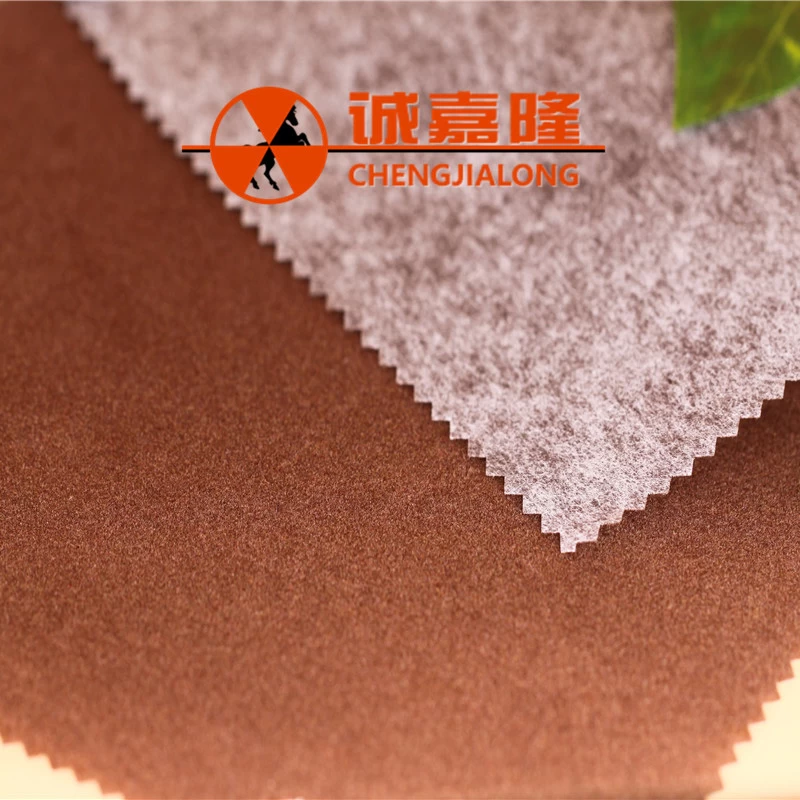
Non-woven flocking materials are created by bonding fibers together through various methods, including mechanical, thermal, or chemical means, rather than weaving or knitting. Flocking refers to the process of applying small fibers to a substrate, typically using adhesive, to create a soft, textured surface. The most common fibers used in flocking include polyester, nylon, and rayon, which can be dyed and treated to achieve desired aesthetics and functionality.
### Composition and Production Processes
The primary materials involved in the production of non-woven flocking include synthetic fibers, adhesives, and the substrates to which they are applied. Here’s a closer look at each component:
1. **Fibers**: Synthetic fibers such as polyester and nylon are derived from petrochemical sources. Their production involves significant energy consumption and the release of greenhouse gases. Natural fibers, while more sustainable, may not always provide the same performance characteristics required for specific applications.
2. **Adhesives**: The adhesives used in flocking processes can vary widely, from water-based options to solvent-based formulations. While water-based adhesives are generally considered more environmentally friendly, their production still poses challenges in terms of resource use and waste.
3. **Substrates**: Flocking is often applied to a wide range of substrates, including plastics, textiles, and paper. The choice of substrate can influence the overall environmental impact, particularly regarding recyclability and biodegradability.
### Applications of Non-woven Flocking Materials
Non-woven flocking materials find their way into numerous industries, including automotive, fashion, packaging, and consumer goods. Their applications are diverse:
- **Automotive Interiors**: Flocking is commonly used in car interiors for aesthetic purposes, providing a soft touch and reducing noise. However, the environmental impact of these materials must be assessed against the backdrop of the automotive industry’s push for sustainability.
- **Fashion and Textiles**: In the fashion industry, flocked fabrics are popular for clothing, accessories, and upholstery. The sustainability of these materials largely depends on the sourcing of fibers and the production processes involved.
- **Consumer Products**: Household items like toys, decorative pieces, and electronic accessories often incorporate flocked surfaces. The end-of-life disposal of these products raises questions about their environmental footprint, particularly if they are not recyclable.
### Environmental Impacts of Non-woven Flocking Materials
The environmental impact of non-woven flocking materials can be analyzed through various stages of their lifecycle, including raw material extraction, production, use, and disposal.
#### Raw Material Extraction
The extraction of petrochemicals for synthetic fibers involves significant environmental degradation. This process contributes to habitat destruction, water pollution, and greenhouse gas emissions. The reliance on fossil fuels raises concerns about the long-term sustainability of non-woven flocking materials. Transitioning to bio-based materials or recycled fibers can mitigate some of these issues, but the market for alternatives is still developing.
#### Production Processes
The production of non-woven flocking materials is energy-intensive and often involves the use of harmful chemicals. Emissions released during manufacturing processes can contribute to air and water pollution. Moreover, the disposal of waste generated during production can have serious environmental implications if not managed properly. Adopting cleaner production technologies and practices, such as closed-loop systems and waste reduction strategies, is essential for minimizing this impact.
#### Usage Phase
During their usable life, non-woven flocking materials can provide value without significant environmental harm. However, the durability of these materials plays a crucial role in their overall sustainability. Products that last longer reduce the frequency of replacement, thereby lowering resource consumption and waste generation. Additionally, the potential for recycling or repurposing these materials after their initial use should be considered to extend their lifecycle.
#### End-of-Life Disposal
One of the most pressing environmental concerns related to non-woven flocking materials is their disposal. Many synthetic fibers used in flocking are not biodegradable, leading to long-term pollution in landfills and oceans. When incinerated, these materials can release toxic substances into the atmosphere. To combat these issues, there is an urgent need for improved recycling infrastructure and practices. Implementing take-back programs and promoting circular economy principles can facilitate responsible disposal and recycling of flocked products.
### Innovations and Sustainable Practices
As awareness of environmental issues grows, the industry is exploring innovative solutions to reduce the ecological footprint of non-woven flocking materials. Some of the key trends include:
1. **Bio-based and Recycled Fibers**: The development of bio-based fibers made from renewable resources, such as corn or sugarcane, offers an alternative to traditional petroleum-based fibers. Additionally, the use of recycled PET from plastic bottles in the production of flocking materials is gaining traction.
2. **Eco-friendly Adhesives**: Research and development efforts are focused on creating non-toxic, water-based adhesives that minimize environmental harm while maintaining performance standards.
3. **Sustainable Manufacturing Processes**: Manufacturers are increasingly adopting sustainable practices, such as optimizing energy efficiency, reducing water usage, and minimizing waste in production processes.
4. **Consumer Awareness and Education**: Educating consumers about the environmental impact of their purchases can drive demand for more sustainable options in the flocking materials market. Brands that prioritize transparency and sustainability can gain a competitive edge.
### Conclusion
The environmental impact of non-woven flocking materials is a multifaceted issue that requires careful consideration at every stage of the material's lifecycle. While these materials offer unique properties and diverse applications, their production, usage, and disposal present significant environmental challenges. By embracing innovative practices and prioritizing sustainability, the industry can work toward minimizing the ecological footprint of non-woven flocking materials.
As consumers increasingly demand eco-friendly products, manufacturers and designers must respond by investing in sustainable materials and practices. The future of non-woven flocking materials hinges on our ability to balance performance, aesthetics, and environmental responsibility. It is only through a concerted effort from all stakeholders—manufacturers, consumers, and policymakers—that we can ensure a sustainable future for this versatile material.