# Eco-Friendly Fashion: Brands Leading the Way with Recycled Bull Nubuck Leather
In recent years, the fashion industry has faced increasing scrutiny for its environmental impact. With an estimated 92 million tons of textile waste produced each year and a significant carbon footprint, the need for sustainable alternatives has never been more pressing. Among these alternatives, eco-friendly materials like recycled bull nubuck leather are making waves, setting a new standard for ethical fashion. This article explores the significance of this innovative material and highlights brands that are leading the charge in sustainable fashion.
## Understanding Bull Nubuck Leather
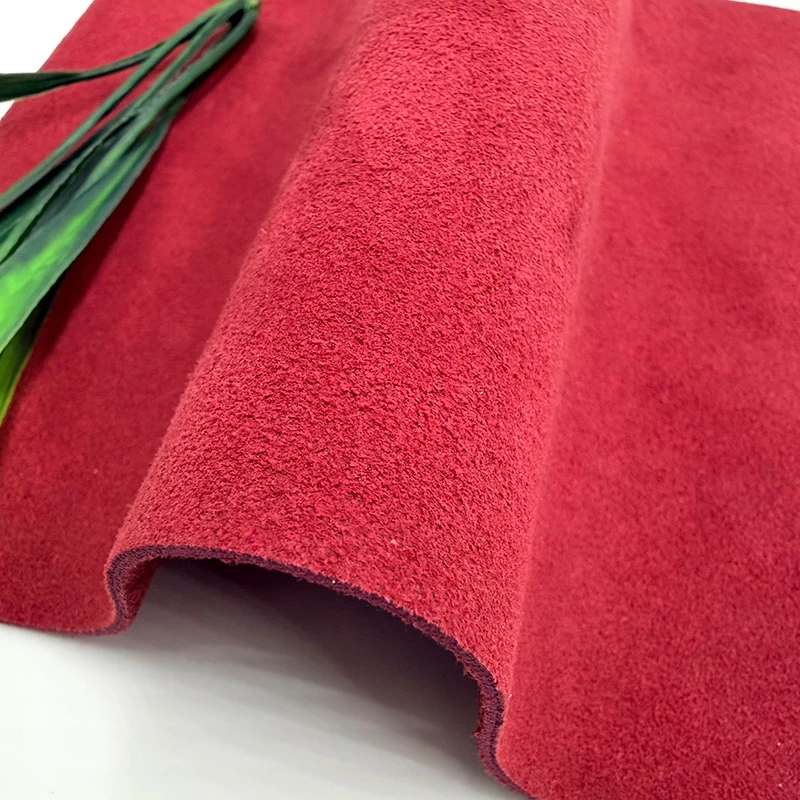
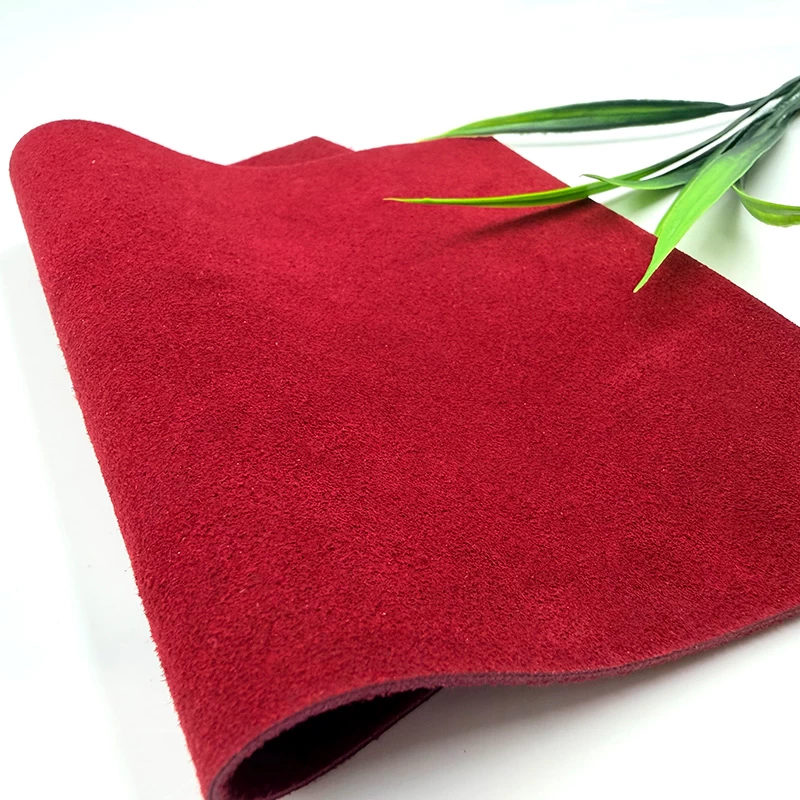
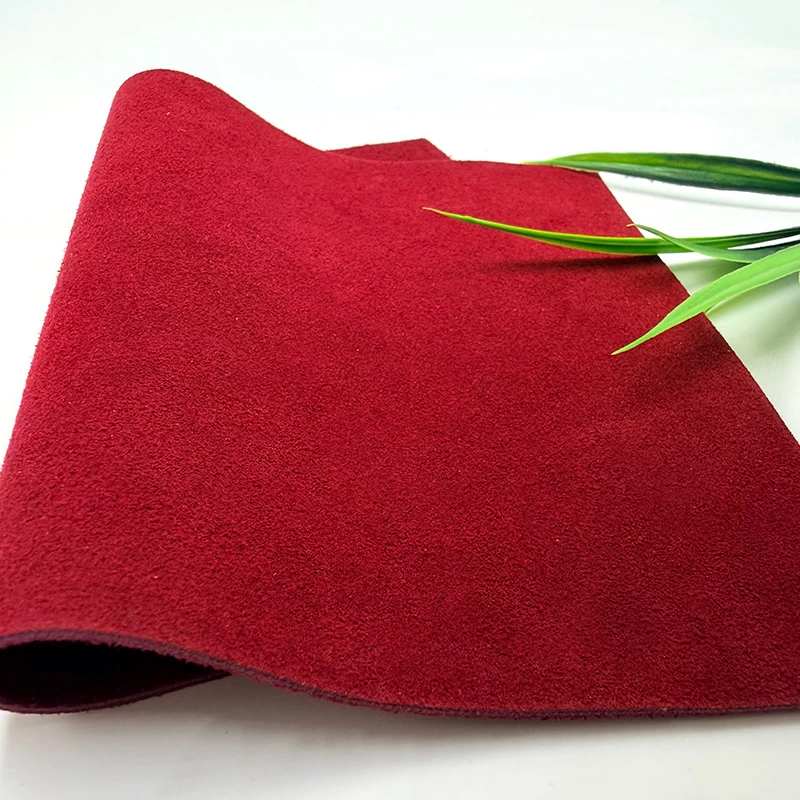
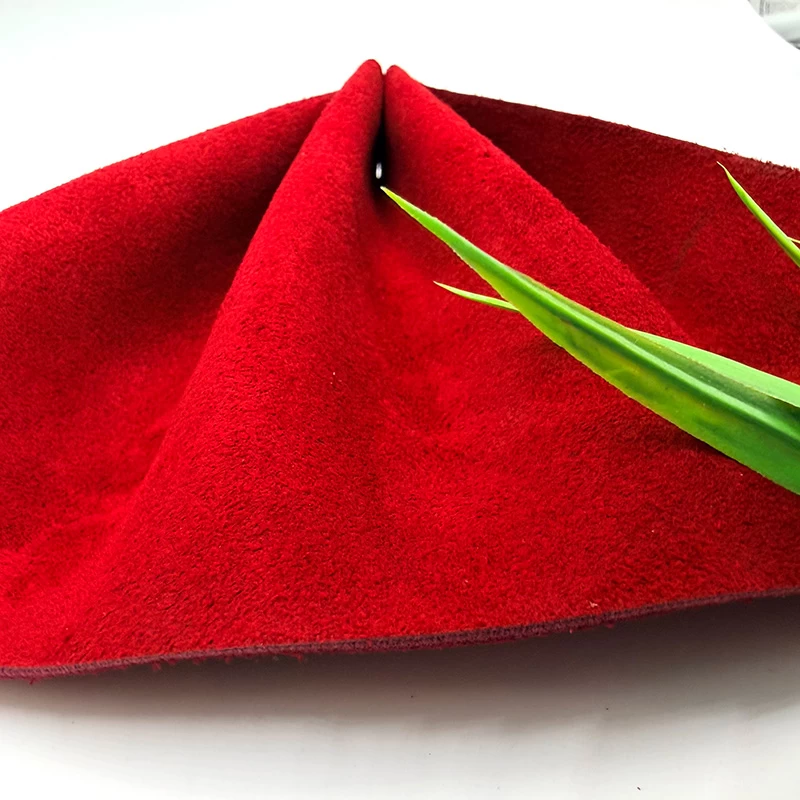
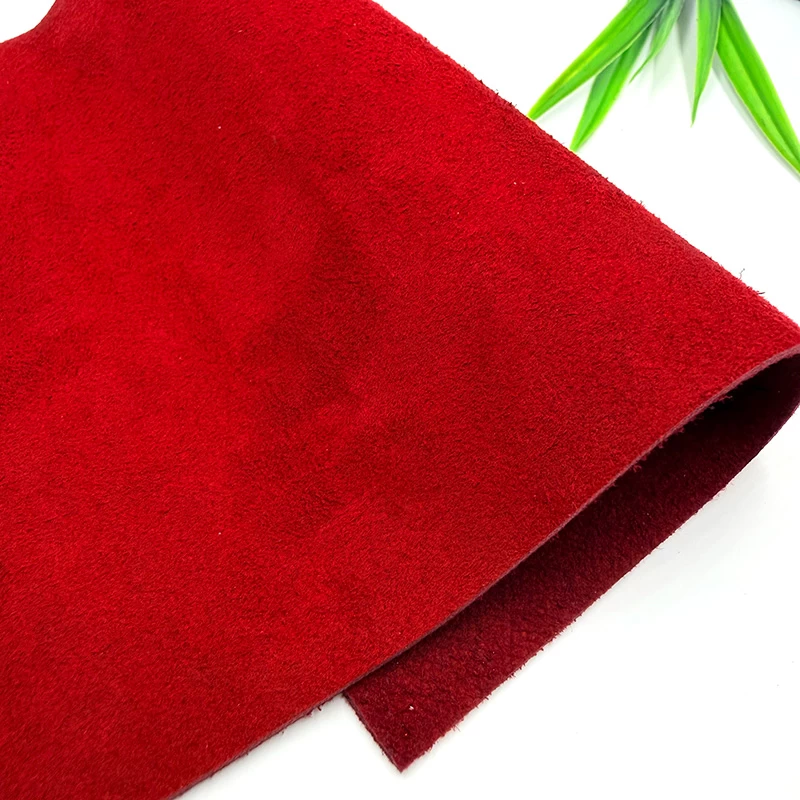
Before delving into the eco-friendly aspect, it is essential to understand what bull nubuck leather is. Nubuck leather is made from the hide of animals, primarily cows, and has a soft, velvety texture due to the sanding process that raises the fibers. Bull nubuck leather specifically refers to leather sourced from bulls, which is known for its durability and luxurious feel. However, traditional leather production has often been criticized for its detrimental effects on the environment, including high water usage, chemical pollution, and animal welfare concerns.
### The Shift Towards Sustainability
The fashion industry is undergoing a transformative shift as consumers increasingly demand transparency and sustainability. Brands are now exploring innovative materials that minimize environmental impact, and recycled bull nubuck leather emerges as a promising option. By utilizing existing materials and repurposing them, brands can significantly reduce their carbon footprint while offering high-quality products.
### What Is Recycled Bull Nubuck Leather?
Recycled bull nubuck leather is crafted from leftover scraps or post-consumer leather goods that have been processed and reconstituted. This method not only reduces waste but also conserves resources by minimizing the need for new animal hides. The recycling process typically involves cleaning, shredding, and treating the leather to create a new product that retains the desirable qualities of nubuck—its softness, strength, and aesthetic appeal.
### The Benefits of Recycled Bull Nubuck Leather
1. **Environmental Impact**: By opting for recycled materials, brands can contribute to waste reduction. The production of new leather involves substantial water consumption and emissions; thus, using recycled options helps mitigate these environmental challenges.
2. **Animal Welfare**: Utilizing recycled leather means less reliance on animal hides, addressing ethical concerns surrounding animal rights. This shift aligns with the growing consumer preference for cruelty-free fashion.
3. **Quality and Durability**: Recycled bull nubuck leather maintains the quality and texture associated with luxury leather goods. As a result, consumers can enjoy stylish products without compromising on durability.
4. **Versatility**: This material can be used in various fashion categories, from footwear to handbags, making it an adaptable option for designers and brands.
### Brands Leading the Way
Several innovative brands are harnessing the potential of recycled bull nubuck leather, setting examples for others in the industry. Here are a few notable names that have embraced this sustainable material:
#### 1. **Everlane**
Everlane is renowned for its commitment to transparency and ethical manufacturing practices. The brand has incorporated recycled materials into various products, including its footwear line, where recycled bull nubuck leather is prominently featured. By prioritizing sustainability, Everlane offers stylish footwear that resonates with eco-conscious consumers.
#### 2. **Matt & Nat**
Matt & Nat is a pioneer in creating vegan leather accessories and bags. Their commitment to sustainability extends to using recycled materials, including recycled bull nubuck leather. The brand blends chic designs with eco-friendly practices, ensuring that each product has a minimal environmental impact. With a focus on reducing waste, Matt & Nat exemplifies how fashion can align with ecological responsibility.
#### 3. **Stella McCartney**
A leader in sustainable luxury fashion, Stella McCartney has long advocated for ethical practices within the industry. By utilizing innovative materials like recycled bull nubuck leather, the brand showcases that luxury does not have to come at the expense of the environment. Her collections often feature elegant designs that reflect a commitment to sustainability, encouraging consumers to rethink their fashion choices.
#### 4. **Rothy's**
Known for their stylish, comfortable shoes made from recycled plastic, Rothy's has expanded their offerings to include products made with recycled leather materials. Their foray into recycled bull nubuck leather is indicative of the brand's dedication to environmental stewardship. Rothy's emphasizes a circular economy approach, allowing consumers to return worn-out products for recycling, further reducing waste.
#### 5. **TOMS**
TOMS, famous for its one-for-one model, has taken significant steps towards sustainability by incorporating recycled materials into its footwear line. The brand’s use of recycled bull nubuck leather reflects its commitment to responsible sourcing while maintaining the quality and comfort that customers expect. TOMS continues to inspire other brands by highlighting the importance of social and environmental responsibility in fashion.
### The Future of Eco-Friendly Fashion
As consumer awareness grows, the fashion industry is poised for a significant transformation. Eco-friendly materials like recycled bull nubuck leather will become increasingly sought after, prompting more brands to adopt sustainable practices. The future of fashion lies in collaboration between consumers, brands, and manufacturers to create a more sustainable ecosystem.
### Challenges Ahead
While the rise of recycled materials is promising, challenges remain. The recycling process for leather can be resource-intensive, and ensuring a consistent supply can be difficult. Additionally, educating consumers about the benefits of recycled materials is crucial for fostering demand. Brands must continue to innovate and improve their processes to ensure that sustainability is at the forefront of their operations.
### Conclusion
Eco-friendly fashion is no longer a niche market; it is becoming a vital component of the industry's future. Brands that embrace recycled bull nubuck leather are not only leading the way in sustainable practices but are also helping to reshape consumer perceptions of fashion. As we move toward a more eco-conscious society, the choices we make in our clothing can have far-reaching implications for the environment. By supporting brands that prioritize sustainability, consumers can contribute to a more responsible fashion landscape—a win-win for style and the planet alike.
In summary, eco-friendly fashion is not just a trend but a necessary evolution. Through innovations like recycled bull nubuck leather, we can look forward to a future where style and sustainability coexist harmoniously, ensuring that fashion does not come at the cost of our planet.