# Behind the Scenes: The Process of Creating Turmeric Yellow Recycled Bull Nubuck Leather
In an era where sustainability and environmental awareness are at the forefront, the leather industry is undergoing a significant transformation. Among the innovations gaining traction is the creation of recycled leather products, particularly Turmeric Yellow recycled bull nubuck leather. This article delves into the intricate process behind producing this unique material, exploring its environmental benefits, production techniques, and potential applications in fashion and design.
## Understanding Recycled Bull Nubuck Leather
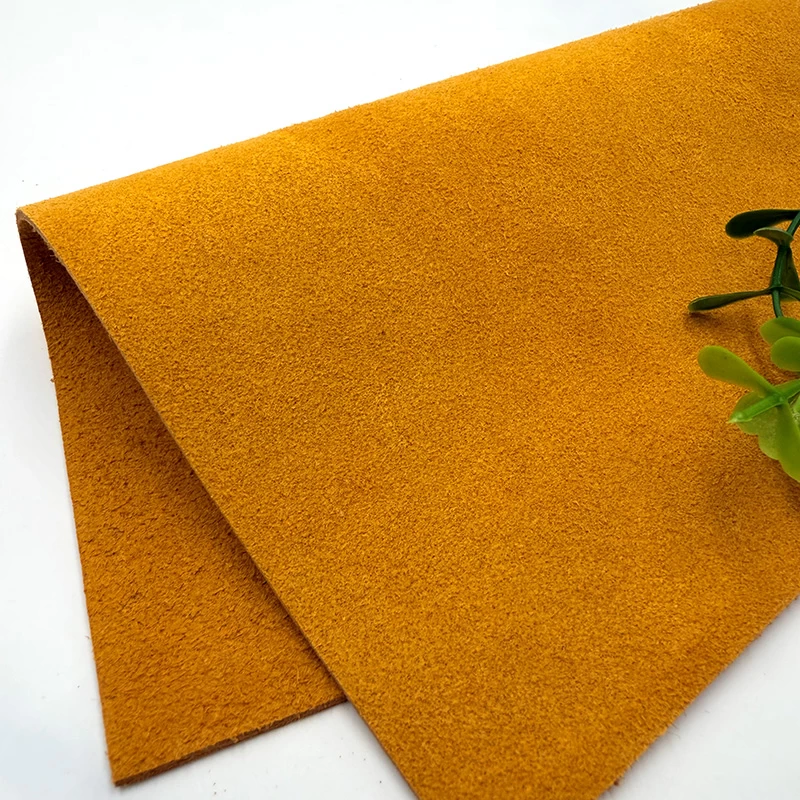
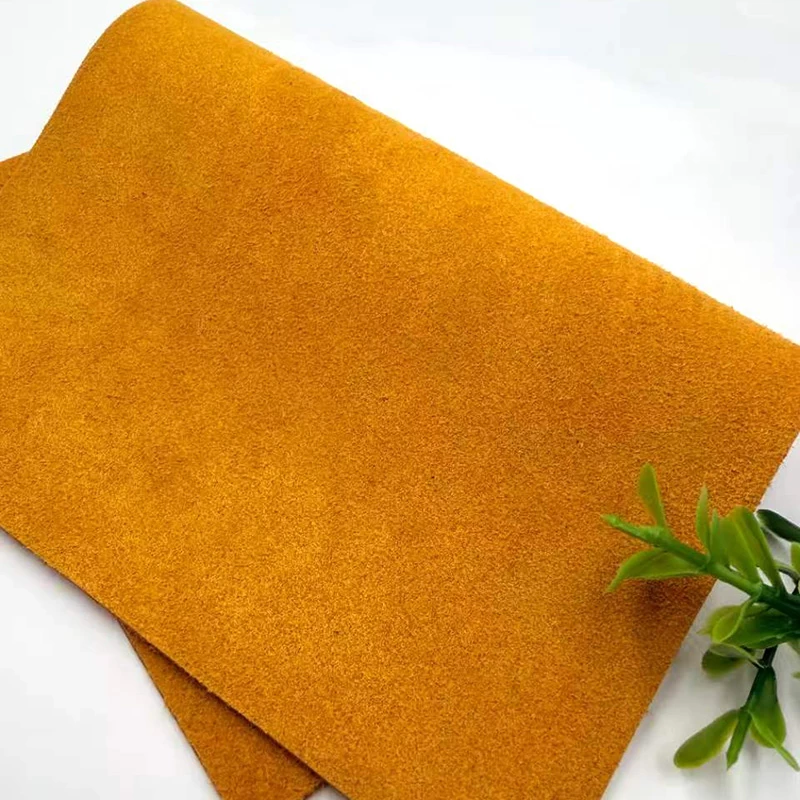
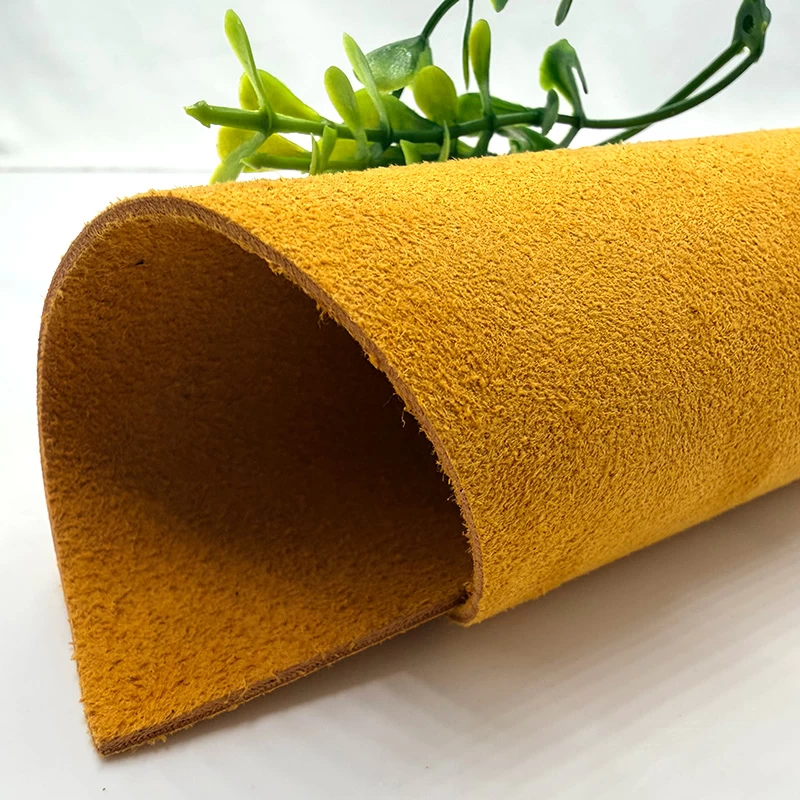
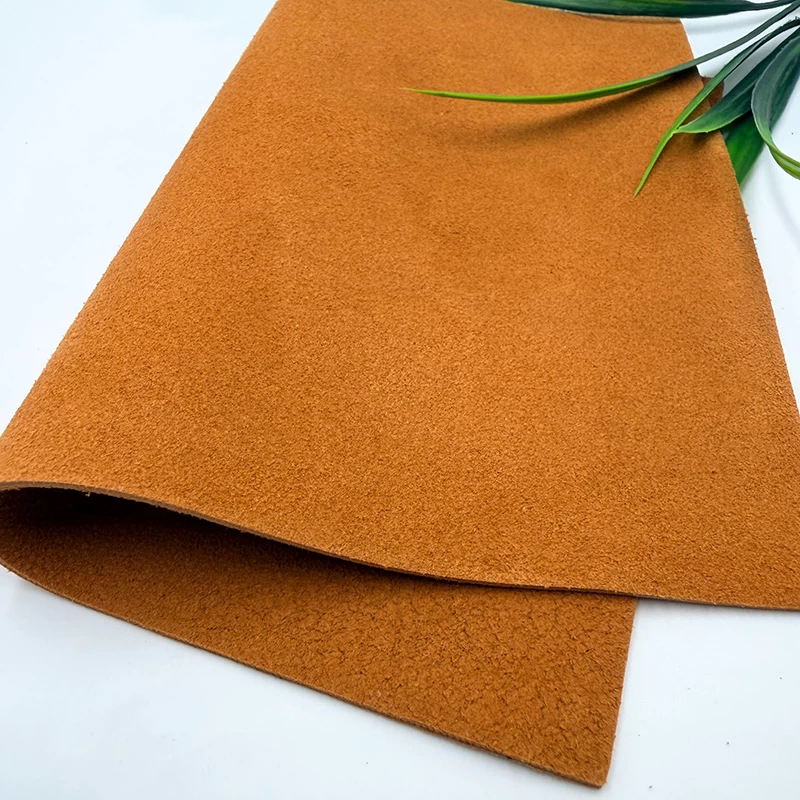
Before we dive into the production process, it’s essential to understand what bull nubuck leather is and how it differs from traditional leather. Nubuck is a type of leather that has been sanded or buffed on the grain side, creating a soft, velvety surface. Bull nubuck leather specifically comes from bull hides, which are thicker and more durable than hides from other animals.
Recycling leather involves repurposing existing leather materials instead of sourcing new ones. This not only minimizes waste but also reduces the environmental impact associated with leather production, such as deforestation, water consumption, and chemical pollution.
## The Importance of Color: The Role of Turmeric Yellow
Color plays a crucial role in the appeal of any product, and Turmeric Yellow stands out for several reasons. Derived from the turmeric root, this vibrant hue is rich in history and culture, often associated with warmth and positivity. In addition to its aesthetic qualities, using natural dyes like turmeric underscores the commitment to sustainability. Unlike synthetic dyes, which can be harmful to the environment, natural dyes offer an eco-friendly alternative that aligns with the principles of recycling and responsible production.
## The Production Process: From Waste to Wonder
### 1. Sourcing Materials
The first step in creating Turmeric Yellow recycled bull nubuck leather is sourcing the right materials. This usually begins with collecting scraps and off-cuts from the leather industry. These remnants, often discarded as waste, provide a valuable resource for producing recycled leather. By collaborating with tanneries and manufacturers, companies can gather these materials, ensuring they’re diverted from landfills.
### 2. Cleaning and Preparing Leather
Once the leather scraps are collected, they undergo a thorough cleaning process. This step is vital to remove any dirt, oils, or contaminants that may affect the final product's quality. After cleaning, the leather pieces are sorted based on their size and quality, allowing manufacturers to select the best materials for recycling.
### 3. Shredding and Refining
After preparation, the leather is shredded into smaller pieces. This process not only makes it easier to work with but also increases the surface area for further treatment. The shredded leather is then refined through various methods, which may involve grinding or pulping. The goal is to create a uniform material that can be molded into new products.
### 4. Binding Agents and Natural Dyes
To transform the shredded leather into a cohesive material, binding agents are added. These adhesives ensure that the pieces stick together, forming a solid substrate. It’s important to choose environmentally friendly binding agents to maintain the sustainability ethos.
Next comes the application of the Turmeric Yellow dye. The natural dye is mixed with water and applied to the leather pulp, allowing the fibers to absorb the color fully. This process may vary, depending on the desired shade and intensity of the yellow hue. It’s worth noting that using natural dyes not only enhances the aesthetic appeal of the leather but also contributes to a lower environmental footprint.
### 5. Drying and Finishing
Once dyed, the leather is spread out to dry. This stage is crucial, as it determines the texture and flexibility of the final product. After drying, additional finishing techniques might be applied. These can include buffing to achieve the signature nubuck finish, adding protective coatings, or distressing the leather for a more rugged appearance.
### 6. Quality Control
Quality control is an essential aspect of the production process. Each batch of Turmeric Yellow recycled bull nubuck leather undergoes rigorous testing to ensure it meets industry standards for durability, colorfastness, and finish. This step ensures that the final product is not only visually appealing but also functional and long-lasting.
## Applications of Turmeric Yellow Recycled Bull Nubuck Leather
The versatility of Turmeric Yellow recycled bull nubuck leather opens up numerous possibilities for use in various industries. Here are some exciting applications:
### Fashion and Accessories
One of the most prominent uses of this unique leather is in the fashion industry. Designers are increasingly incorporating recycled materials into their collections, and Turmeric Yellow provides a bold and sustainable option for bags, shoes, jackets, and belts. The luxurious feel of nubuck leather combined with its striking color makes it a favorite among eco-conscious consumers.
### Home Décor
Beyond fashion, this leather can also find its place in home décor. Upholstery for furniture, decorative pillows, and wall hangings made from recycled nubuck leather can add a touch of elegance and sustainability to any space. The rich color and texture can serve as a statement piece in interior design, showcasing a blend of modern aesthetics and environmental responsibility.
### Automotive Industry
As the automotive industry shifts towards more sustainable practices, Turmeric Yellow recycled bull nubuck leather can be an excellent choice for car upholstery. Its durability and appealing appearance make it suitable for both luxury and eco-friendly vehicle interiors. Implementing this material can enhance the overall look while aligning with green initiatives.
## The Benefits of Choosing Recycled Leather
The shift towards recycled leather materials like Turmeric Yellow bull nubuck brings several benefits:
### Environmental Impact
By utilizing existing leather scraps, the production of recycled leather significantly reduces the demand for new hides, thus decreasing the environmental impact associated with livestock farming and tanning processes. The use of natural dyes further minimizes chemical pollution, making the entire production more eco-friendly.
### Resource Efficiency
Recycling leather not only conserves resources but also promotes a circular economy, where waste is minimized, and materials are reused. This approach aligns with global efforts to reduce waste and promote sustainable practices across industries.
### Unique Aesthetic
Every piece of recycled leather carries its own story and character, resulting in unique products that stand out in the market. The Turmeric Yellow hue adds an eye-catching element, appealing to consumers looking for distinctive items.
## Conclusion: A Step Towards Sustainable Fashion
The process of creating Turmeric Yellow recycled bull nubuck leather showcases the innovative strides being made within the leather industry. By embracing recycling, natural dyes, and sustainable practices, manufacturers are paving the way for a more responsible future. As consumers become more aware of their purchasing choices, the demand for eco-friendly products will continue to rise.
Ultimately, choosing recycled leather is not just about aesthetics; it’s about making a conscious decision to support sustainable practices and contribute to a healthier planet. As we move forward, let us celebrate the creativity and ingenuity that lies behind the scenes in crafting materials like Turmeric Yellow recycled bull nubuck leather, and embrace a future where style and sustainability go hand in hand.