# The Luxury of Sustainability: A Deep Dive into the Recycling and Transformation of Bull Nubuck Leather
In an era where sustainability is not just a buzzword but a necessity, industries are diligently seeking ways to reduce waste and enhance their eco-friendly practices. One such industry that has made significant strides in this direction is leather manufacturing, particularly with materials like bull nubuck leather. This blog delves into the intricate process of recycling bull nubuck leather and transforming it into a luxurious material that aligns with modern sustainability goals.
## Understanding Bull Nubuck Leather
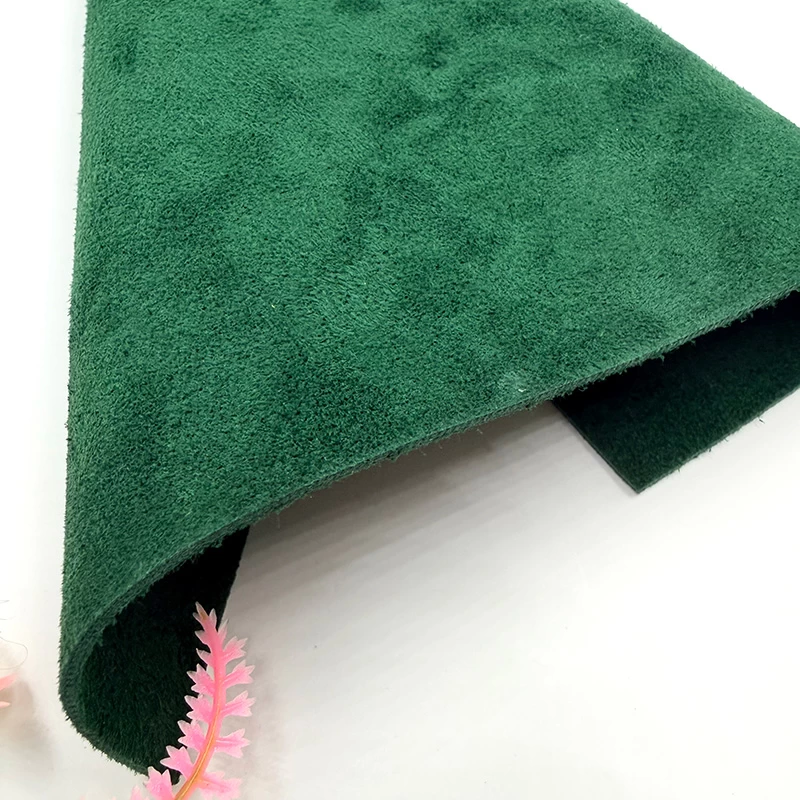
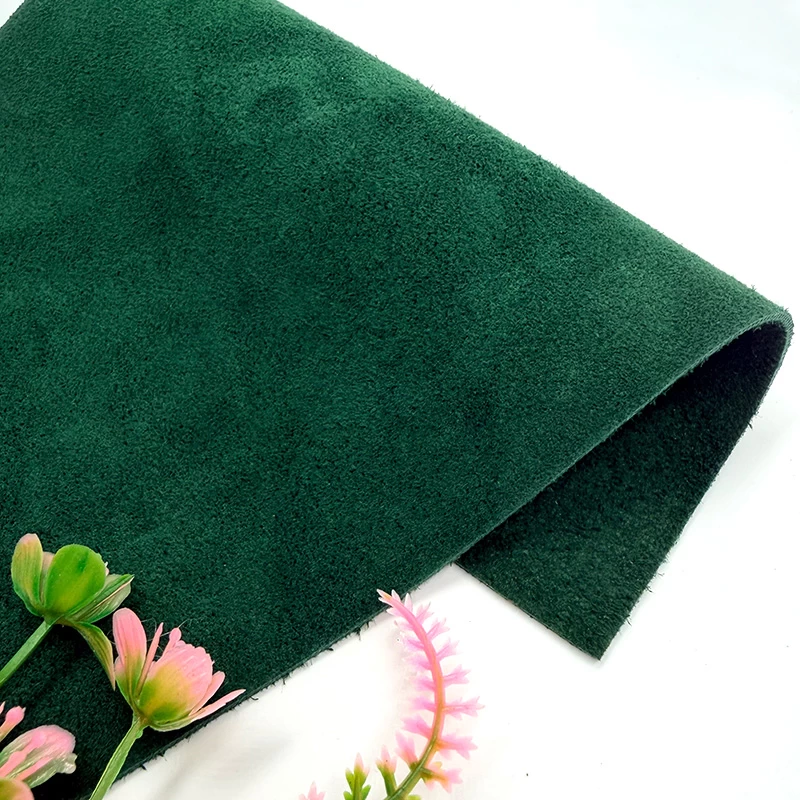
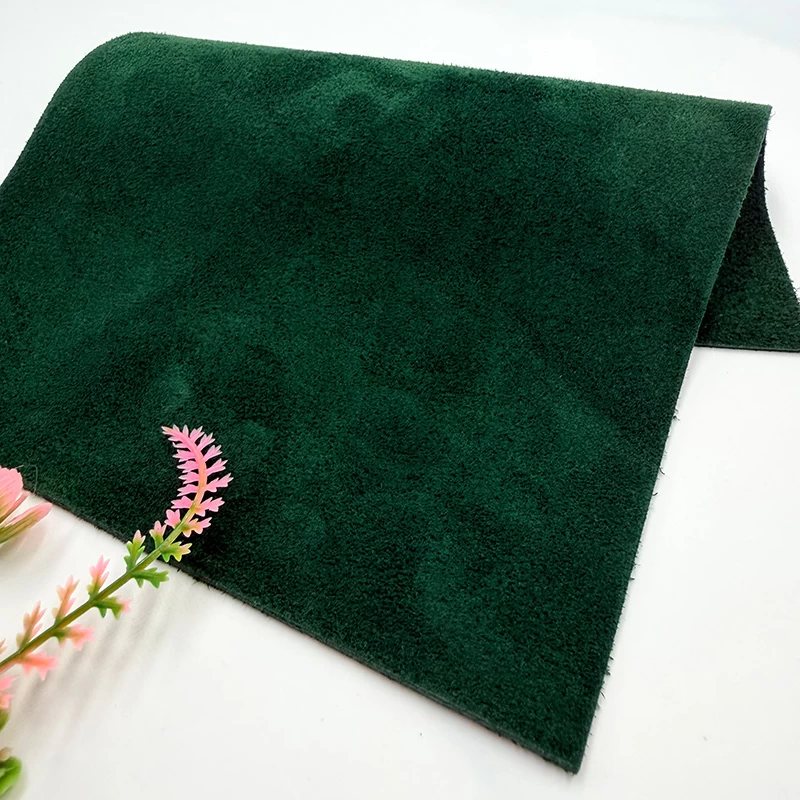
Before we embark on the recycling journey, let’s first understand what bull nubuck leather is. Derived from the hide of bulls, nubuck leather is a top-grain leather that has been sanded or buffed on the grain side, resulting in a soft, velvety texture. It is known for its durability, breathability, and unique aesthetic appeal. However, producing nubuck leather traditionally involves significant resource consumption and environmental impact.
### The Need for Recycling
As consumers become more environmentally aware, the demand for sustainable materials has surged. Recycling bull nubuck leather not only conserves resources but also reduces waste in landfills. The process of transforming discarded leather into a new, luxurious product involves several steps, each contributing to a more sustainable future.
## The Recycling Process
### 1. Collection and Sorting
The first stage of recycling bull nubuck leather starts with the collection of scrap leather. This may come from various sources, including factories, retail returns, and end-of-life leather goods. Workers meticulously sort these scraps based on quality and type, ensuring that the best materials are chosen for further processing.
### 2. Cleaning and Preparation
Once sorted, the leather pieces undergo a thorough cleaning to remove any contaminants, dirt, or oils. After cleaning, the leather is conditioned to maintain its suppleness and prevent degradation. This step is crucial as it prepares the leather for the subsequent stages of recycling.
### 3. Shredding and Grinding
After cleaning, the leather is shredded into smaller pieces, which are then ground into fine particles. This transformation not only makes it easier to handle but also maximizes the surface area, allowing for better integration into new products. At this stage, additives may be mixed in to enhance the leather's qualities, such as flexibility and durability.
### 4. Reconstituting the Leather
The ground leather is then combined with natural adhesives and sometimes additional fibers to create a new composite material. This reconstituted leather can mimic the texture and appearance of traditional nubuck leather while significantly reducing the environmental impact associated with its production.
### 5. Dyeing and Finishing
Following the reconstitution, the material is dyed using environmentally-friendly dyes. This allows manufacturers to achieve a wide range of colors while minimizing harmful chemical use. The finishing process may involve treatments to impart water resistance, stain resistance, or additional softness, mirroring the luxurious feel of original nubuck leather.
### 6. Quality Control
Every batch of recycled leather undergoes stringent quality control checks. This ensures that the final product meets the high standards expected in luxury markets. Various tests assess durability, colorfastness, and texture, guaranteeing that the recycled nubuck leather is worthy of its luxurious label.
## Transforming Recycled Leather into Luxurious Products
The beauty of recycled bull nubuck leather lies not just in its sustainability but also in its versatility. Brands have begun to embrace this material across various product lines, allowing consumers to indulge in luxury without compromising their environmental values.
### Fashion and Accessories
Recycled nubuck leather is making waves in the fashion industry, appearing in high-end handbags, shoes, and jackets. Designers appreciate the unique textures and rich colors achievable through the recycling process. Moreover, the luxurious feel of the material appeals to consumers looking for elegance alongside sustainability.
### Home Decor
Beyond fashion, this material finds a place in home decor. Upholstered furniture, cushions, and decorative items crafted from recycled bull nubuck leather bring sophistication to interior spaces. The soft texture and durability of the material make it ideal for both aesthetic appeal and practical use.
### Automotive and Industrial Applications
The automotive industry is another sector where recycled nubuck leather shines. Car interiors that utilize this material not only provide a touch of luxury but also reflect a commitment to sustainable practices. Additionally, industrial applications such as protective gear and workwear benefit from the durability and comfort of recycled leather.
## The Role of Design in Enhancing Recycled Leather Products
Creating luxurious products from recycled bull nubuck leather goes beyond the material itself; it involves thoughtful design considerations.
### Color Schemes and Typography
When designing products, brands often choose a cohesive color scheme that complements the texture and richness of nubuck leather. Utilizing CSS variables for color management enables designers to maintain consistency across different product lines. Primary colors can be selected to evoke emotions, while text colors and background colors should ensure readability and visual appeal.
### Layout and Flexibility
In digital presentations and marketing, the container layout plays a vital role. Using techniques like Flexbox allows for responsive designs that adapt seamlessly to various screen sizes. This adaptability is crucial for maintaining a premium feel in both online and physical environments.
### Imagery and Branding
High-quality imagery is essential in showcasing the luxurious nature of recycled nubuck leather products. Image handling techniques such as flexibility and border radius enhance the visual presentation, creating an inviting aesthetic that draws potential customers in. Furthermore, effective logo design and header styling contribute to brand identity, making a lasting impression.
## Conclusion: Embracing a Sustainable Future
Recycling bull nubuck leather is more than just a process; it represents a shift in consumer behavior and industry standards towards sustainability. By understanding the intricate steps involved in transforming discarded leather into a luxurious material, we can appreciate the value of eco-conscious products that do not compromise on quality or aesthetics.
As we move forward, it is essential for consumers to support brands that prioritize sustainability in their materials and practices. The luxury of recycled bull nubuck leather proves that style and sustainability can coexist, paving the way for a brighter, greener future in fashion and design. Investing in such products is not merely a purchase; it is a statement of ethical responsibility and a commitment to preserving our planet for generations to come.