# Explore the Basics of Non-Woven Flocking, the Techniques Involved, and the Advantages It Offers Across Various Industries
Non-woven flocking is a fascinating and innovative process that has garnered attention across various sectors for its unique applications and advantages. From automotive interiors to fashion accessories, non-woven flocking has emerged as a transformative technique that enhances both functionality and aesthetic appeal. In this article, we will explore the fundamentals of non-woven flocking, delve into the techniques involved, and highlight the numerous advantages it offers across various industries.
## Understanding Non-Woven Flocking
To grasp the significance of non-woven flocking, it’s essential first to understand what non-woven fabrics are. Unlike traditional woven textiles, non-woven fabrics are created by bonding fibers together through mechanical, thermal, or chemical processes. This method results in a versatile material that can be engineered for specific applications, combining strength with lightweight properties.
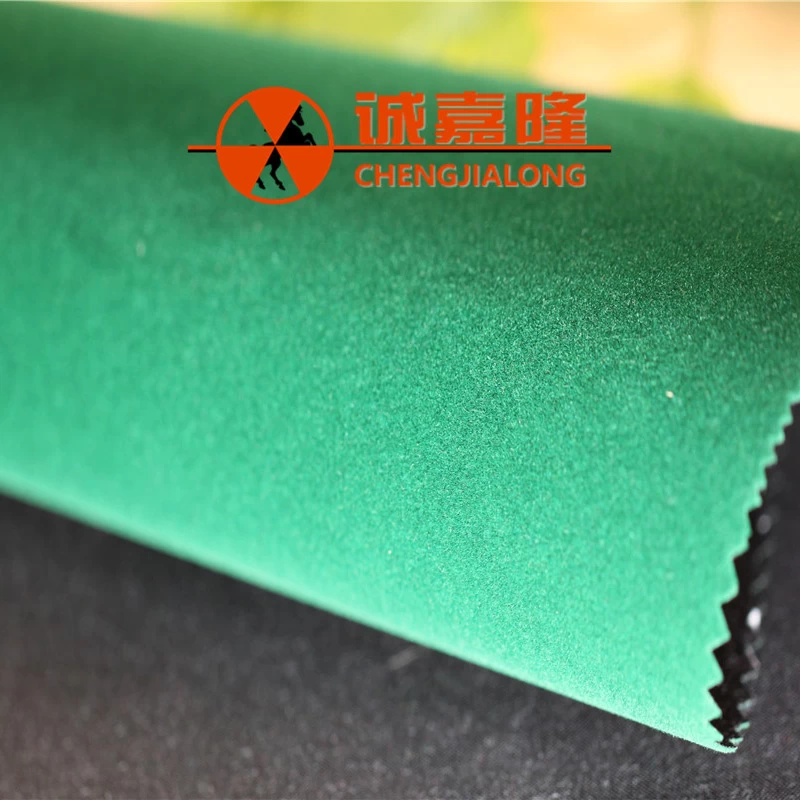
Flocking, on the other hand, involves adding short fibers (or "flock") onto a substrate to create a textured surface. This process not only enhances the tactile feel of the material but also introduces additional properties, such as improved appearance and functionality.
### The Flocking Process
The flocking process typically involves several key steps:
1. **Preparation of the Substrate**: The substrate can be made from various materials, including plastics, paper, or textiles. The surface must be cleaned and possibly treated to ensure proper adhesion of the flock fibers.
2. **Adhesive Application**: An adhesive is applied to the substrate using methods such as spraying, printing, or coating. The type of adhesive used depends on the flocking material and the desired characteristics of the final product.
3. **Flock Application**: The flock fibers, which can vary in length, color, and material, are applied to the adhesive-coated substrate. This can be done using electrostatic flocking, where an electric charge is used to orient the fibers vertically, or by mechanical methods like brushing or blowing.
4. **Curing**: After the flocking process, the adhesive is cured to secure the fibers in place. This step may involve heat, air drying, or UV light, depending on the type of adhesive used.
5. **Finishing**: Finally, the flocked product may undergo additional finishing processes, such as trimming or shearing, to achieve the desired appearance and texture.
### Techniques Involved in Non-Woven Flocking
Several techniques can be employed in the flocking process, each offering distinct advantages and applications:
#### 1. **Electrostatic Flocking**
Electrostatic flocking is one of the most widely used techniques due to its efficiency and effectiveness. In this method, flock fibers are given an electrical charge, causing them to stand upright when they come into contact with the adhesive-covered substrate. This results in a dense, uniform layer of flock that enhances the visual and tactile properties of the product.
#### 2. **Mechanical Flocking**
Mechanical flocking employs physical methods to apply the flock fibers to the adhesive surface. This can include techniques like brushing, spraying, or using compressed air. While mechanical flocking may not achieve the same density as electrostatic methods, it is often more cost-effective and suitable for large-scale production.
#### 3. **Roller Flocking**
In roller flocking, a roller coated with adhesive is used to apply the adhesive to the substrate. The flock fibers are then introduced to the adhesive-coated surface, ensuring an even distribution. This method is particularly useful for continuous production processes, such as fabric manufacturing.
#### 4. **Screen Printing Flocking**
Screen printing can be combined with flocking to create intricate designs and patterns. By applying adhesive in specific areas of a substrate, screen printing allows for selective flocking, resulting in visually striking designs that can enhance branding and aesthetics.
### Advantages of Non-Woven Flocking
The non-woven flocking process presents numerous advantages across various industries, making it a preferred choice for manufacturers:
#### 1. **Aesthetic Appeal**
Flocked surfaces offer a unique, luxurious appearance that is difficult to achieve with traditional methods. The soft texture and vibrant colors of flock fibers enhance the visual appeal of products, making them more attractive to consumers.
#### 2. **Versatility**
Non-woven flocking can be applied to a wide range of substrates and products, including automotive interiors, home furnishings, packaging, and fashion accessories. This versatility makes it an invaluable technique for brands looking to differentiate their offerings.
#### 3. **Durability**
Flocked surfaces exhibit excellent durability and resilience, making them suitable for high-traffic applications. The adhesion of flock fibers to the substrate ensures that the texture remains intact over time, resisting wear and tear.
#### 4. **Enhanced Functionality**
Flocking can improve the functionality of products by adding properties such as sound absorption, slip resistance, and improved grip. For example, flocked surfaces in automotive interiors can reduce noise levels while providing a comfortable touch.
#### 5. **Eco-Friendly Options**
Many flocking materials are made from recycled or sustainable fibers, aligning with modern consumers' growing preferences for eco-friendly products. Additionally, the non-woven nature of the substrate can contribute to reduced waste during production.
#### 6. **Cost-Effectiveness**
While the initial setup for flocking may require investment, the long-term benefits in terms of durability, aesthetics, and functionality often outweigh the costs. Furthermore, the ability to produce flocked products at scale using automated processes can lead to cost savings in manufacturing.
### Applications Across Industries
Non-woven flocking finds applications in a myriad of industries, showcasing its versatility and adaptability:
#### 1. **Automotive Industry**
In the automotive sector, flocking is commonly used for interior components such as dashboards, door panels, and headliners. The soft, textured surfaces enhance comfort while reducing glare and noise.
#### 2. **Textile and Fashion Industry**
Flocked fabrics are popular in the fashion industry for clothing, accessories, and home decor. The unique textures provide a luxurious feel, making products more appealing to consumers.
#### 3. **Packaging Industry**
Flocking is employed in packaging solutions to enhance the unboxing experience. Flocked surfaces can add a premium touch to packaging, making products more memorable and increasing perceived value.
#### 4. **Consumer Goods**
Various consumer goods, such as toys, electronics, and household items, benefit from flocking. The added texture can improve grip and enhance the overall user experience.
#### 5. **Medical Applications**
In medical devices and equipment, flocking can provide a non-slip surface for better handling and increased safety. Additionally, flocked surfaces can be easier to clean and maintain, which is crucial in healthcare settings.
### Conclusion
Non-woven flocking is a dynamic and innovative process that bridges the gap between functionality and aesthetic appeal across various industries. Its versatility, durability, and ability to enhance product performance make it a valuable technique for manufacturers seeking to create distinctive offerings. As industries continue to evolve and consumer preferences shift, non-woven flocking will undoubtedly remain an important aspect of product design and manufacturing, paving the way for new applications and advancements in technology. By understanding the basics of non-woven flocking and its advantages, businesses can leverage this technique to elevate their products and meet the demands of today's marketplace.