# Why Choose Recycled Bull Nubuck Leather? The Environmental Benefits Explained
In recent years, sustainability has become a focal point for consumers and manufacturers alike. The quest for eco-friendly materials has led to the emergence of various alternatives that not only meet aesthetic and functional needs but also address pressing environmental concerns. One such alternative gaining traction is recycled bull nubuck leather. In this article, we will explore the numerous environmental benefits of choosing recycled bull nubuck leather, highlighting its role in promoting sustainable practices and reducing our ecological footprint.
## Understanding Bull Nubuck Leather
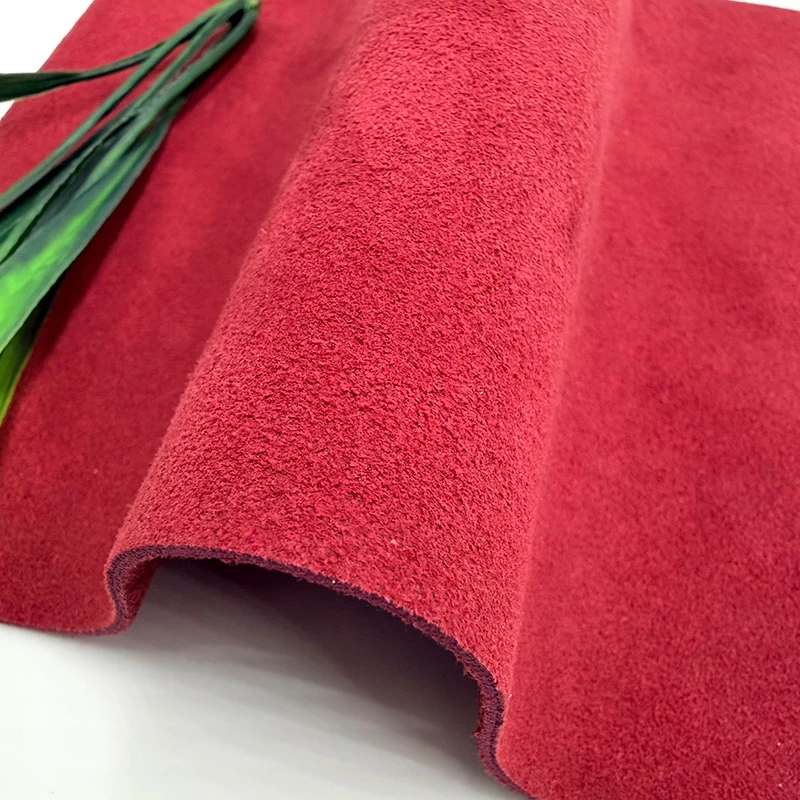
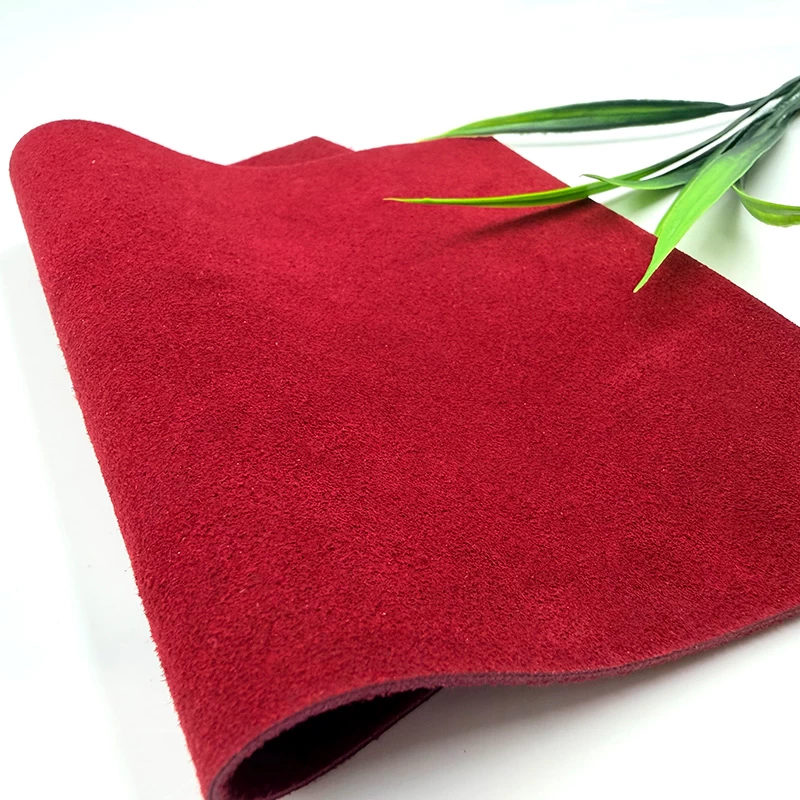
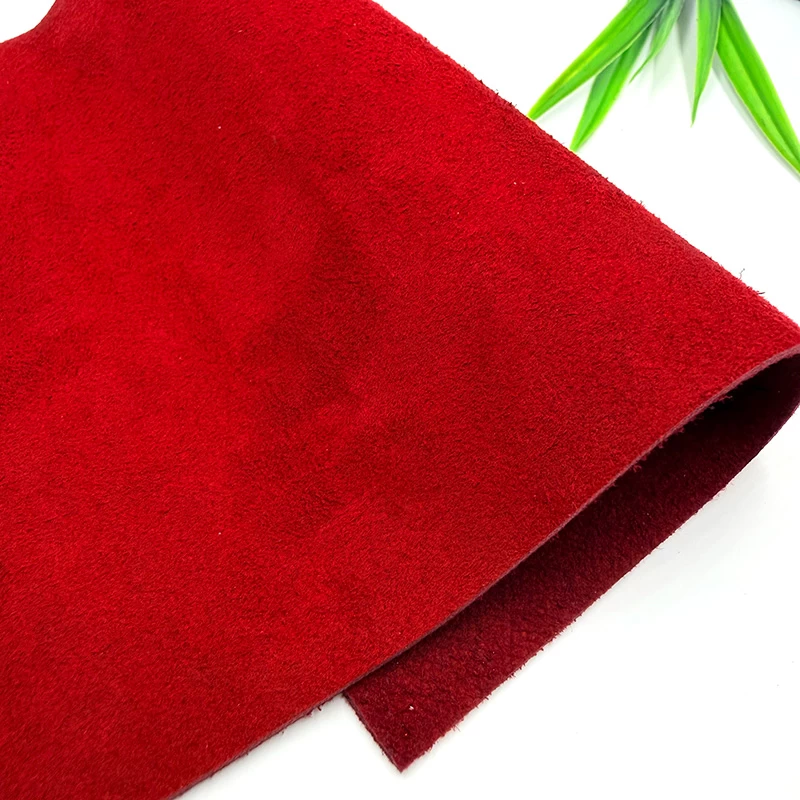
Before diving into the environmental advantages, it's important to understand what bull nubuck leather is. Nubuck is a type of leather that has been buffed on the grain side, resulting in a soft, velvety texture. Bull nubuck leather specifically refers to leather sourced from bull hides, which are thicker and more durable than those from cows or other sources. This durability makes it a popular choice for various applications, including footwear, upholstery, and fashion accessories.
### The Process of Recycling Bull Nubuck Leather
Recycling bull nubuck leather involves several steps. First, leftover leather scraps from manufacturing processes are collected. These scraps are then cleaned and treated to remove any contaminants. Following this, the leather is reprocessed, which may include shredding, granulating, or reconstituting the material. Finally, the recycled leather is dyed and finished to create a product that resembles new leather while retaining the characteristics that make nubuck leather desirable.
## Environmental Benefits of Recycled Bull Nubuck Leather
### 1. Reducing Waste
One of the most significant environmental benefits of using recycled bull nubuck leather is its contribution to waste reduction. The leather industry generates substantial amounts of waste through the production process, with countless scraps and offcuts ending up in landfills. By recycling these materials, we can divert waste from landfills and reduce the overall environmental impact of leather production. This practice not only conserves resources but also minimizes the need for new raw materials.
### 2. Conservation of Resources
The production of traditional leather involves extensive resource consumption, including water, energy, and chemicals. Producing leather from raw hides requires substantial water usage for tanning and processing. By opting for recycled bull nubuck leather, we can significantly reduce the demand for these resources. Recycling utilizes existing materials, thereby conserving water and energy that would otherwise be consumed in the production of new leather.
### 3. Lower Carbon Footprint
The tanning and production of leather contribute to greenhouse gas emissions, further exacerbating climate change. By choosing recycled bull nubuck leather, manufacturers can lower their carbon footprint significantly. The recycling process generally consumes less energy compared to producing new leather, resulting in a reduced environmental impact over the lifecycle of the product. This shift towards circularity is essential for combating global warming and promoting sustainability.
### 4. Ethical Considerations
The leather industry has faced scrutiny due to ethical concerns surrounding animal welfare and the ecological impacts of cattle farming. By utilizing recycled bull nubuck leather, consumers can support a more ethical approach to fashion and design. This material allows individuals to enjoy the luxurious qualities of leather without contributing to the demand for new hides, thus fostering a more compassionate and sustainable lifestyle.
### 5. Chemical Reduction
The tanning process for traditional leather often involves harmful chemicals, such as chromium, which can have detrimental effects on both the environment and human health. In contrast, the recycling of bull nubuck leather can minimize the use of these toxic substances. Many manufacturers of recycled leather implement eco-friendly tanning processes that reduce the reliance on harmful chemicals, resulting in a safer product for both the environment and consumers.
### 6. Promoting Sustainable Fashion
As the fashion industry increasingly embraces sustainability, recycled materials have become a cornerstone of eco-conscious design. By incorporating recycled bull nubuck leather into their products, designers can create stylish and functional items that align with modern consumer values. This trend not only encourages responsible consumption but also promotes innovation within the fashion sector. The use of recycled materials fosters a culture of sustainability, encouraging both consumers and businesses to prioritize environmentally friendly practices.
## Applications of Recycled Bull Nubuck Leather
Recycled bull nubuck leather can be used in a variety of applications, showcasing its versatility and appeal. Below are some of the areas where this material shines:
### 1. Footwear
Recycled bull nubuck leather is an excellent choice for footwear due to its durability and comfort. Brands that prioritize sustainability are increasingly using this material to create stylish shoes that do not compromise on quality. Whether it's casual sneakers or elegant boots, recycled nubuck leather offers a responsible alternative for eco-conscious consumers.
### 2. Upholstery
Furniture made from recycled bull nubuck leather adds a touch of luxury to any interior space while promoting sustainability. Sofas, chairs, and cushions crafted from this material provide a unique aesthetic and tactile experience. Additionally, the durability of nubuck leather ensures that upholstered items withstand the test of time, reducing the need for frequent replacements.
### 3. Fashion Accessories
Bags, wallets, and belts made from recycled bull nubuck leather are not only fashionable but also environmentally responsible. Consumers can express their style while contributing to a sustainable future. These accessories often come in a range of colors and designs, ensuring that there is something for everyone.
### 4. Home Decor
Recycled bull nubuck leather can also be utilized in various home decor items, such as throws, pillow covers, and wall hangings. These products add warmth and texture to living spaces while promoting sustainable practices.
## Conclusion
Choosing recycled bull nubuck leather represents a significant step towards a more sustainable future. With its myriad environmental benefits—ranging from waste reduction and resource conservation to ethical considerations and chemical reduction—this material embodies a responsible approach to consumption. As consumers continue to prioritize sustainability, the demand for recycled materials like bull nubuck leather will undoubtedly grow.
By opting for products made from recycled bull nubuck leather, individuals can contribute to a more sustainable economy while enjoying the luxurious qualities of this high-quality material. As we progress into a future where sustainability becomes the norm rather than the exception, embracing recycled bull nubuck leather is not just a choice; it is a commitment to a greener planet.