# Top Applications of Non-woven Flocking Across Industries
Non-woven flocking is an innovative manufacturing technique that has gained traction across various industries due to its versatility, aesthetic appeal, and functional capabilities. This method involves the application of short fibers onto a substrate, resulting in a soft, textured surface that serves both decorative and practical purposes. In this article, we will explore the top applications of non-woven flocking across different sectors, highlighting its benefits and advancements.
## Understanding Non-woven Flocking
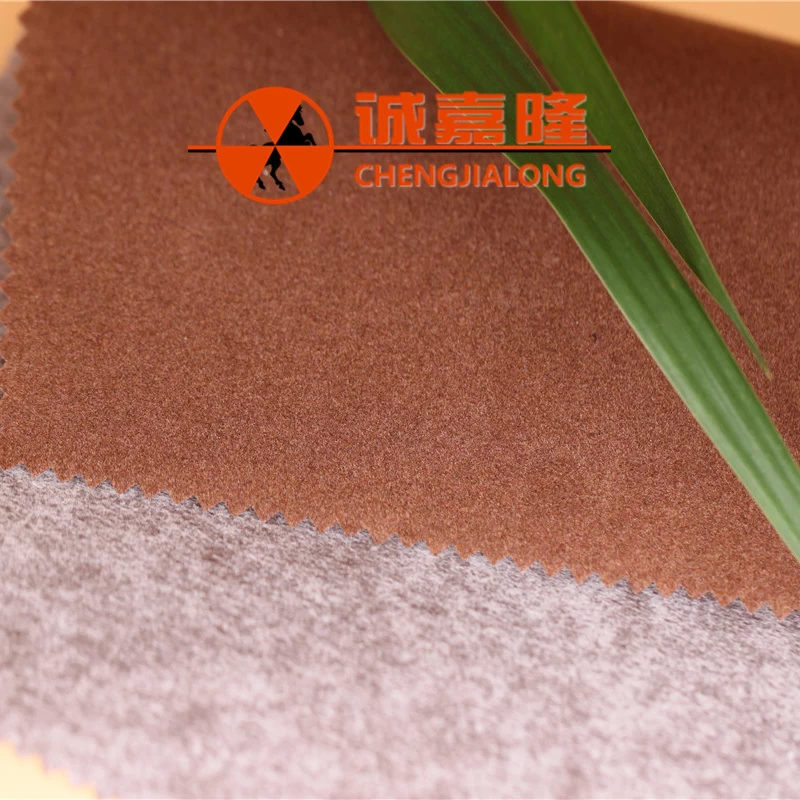
Before delving into its applications, it is essential to understand what non-woven flocking entails. The process involves bonding short fibers—often made from nylon, polyester, or other synthetic materials—onto a base material using adhesive. The fibers are applied in a vertical orientation, creating a plush texture that mimics the feel of velvet or suede. This unique characteristic allows for a wide range of uses, as it not only enhances aesthetics but also improves functionality.
### Key Characteristics of Non-woven Flocking
1. **Aesthetic Versatility**: Non-woven flocking can be produced in various colors, textures, and patterns, enabling customization for specific applications.
2. **Durability**: Flocked surfaces are resilient to wear and tear, making them suitable for high-traffic areas.
3. **Sound Absorption**: The fibrous structure of flocked materials provides sound-dampening properties, making them ideal for use in environments where noise control is essential.
4. **Comfort**: The soft feel of flocked surfaces enhances user comfort, making them popular in applications involving direct skin contact.
## Applications of Non-woven Flocking
### 1. Automotive Industry
The automotive sector has been one of the most significant adopters of non-woven flocking technology. Flocked materials are extensively used in vehicle interiors, including dashboards, door panels, and headliners. The benefits include:
- **Aesthetic Appeal**: Flocked surfaces add a premium look and feel to vehicles, enhancing the overall interior design.
- **Noise Reduction**: The sound-absorbing qualities of flocked materials help reduce road noise, contributing to a quieter cabin environment.
- **Comfort**: Flocked fabrics provide a soft touch, improving passenger comfort during travel.
### 2. Consumer Electronics
In the consumer electronics industry, non-woven flocking is utilized to enhance the appearance and functionality of products such as smartphones, tablets, and audio devices. Applications include:
- **Protective Coatings**: Flocked surfaces can provide a protective layer for delicate components, reducing the risk of scratches and damage.
- **Aesthetic Customization**: Manufacturers can use flocking to create visually appealing designs that resonate with consumers' preferences.
- **Improved Grip**: Flocked materials offer a tactile surface that enhances grip, making devices easier to handle.
### 3. Home Furnishings
The home furnishings industry has embraced non-woven flocking for its ability to transform ordinary items into luxurious decor. Common applications include:
- **Upholstery**: Flocked fabrics are used for sofas, chairs, and cushions, offering a plush feel that enhances comfort.
- **Wall Coverings**: Flocked wallpaper provides a unique texture that adds depth to interior spaces and can be easily customized in various colors.
- **Decorative Accessories**: Items such as lampshades, curtains, and throw pillows often utilize flocking to achieve an upscale look.
### 4. Fashion and Apparel
In the fashion industry, non-woven flocking has found its place in clothing, accessories, and footwear. Its applications include:
- **Textile Design**: Fashion designers use flocking to create unique patterns and textures on garments, making them stand out on runways and retail shelves.
- **Footwear**: Flocked materials are popular in shoe production, especially in high-end styles, as they add a luxurious touch while maintaining durability.
- **Accessories**: Flocked fabrics are commonly used in bags, hats, and scarves, providing an upscale appearance.
### 5. Packaging Industry
The packaging industry has also recognized the advantages of non-woven flocking for enhancing product presentation. Applications include:
- **Luxury Packaging**: Flocked insert trays and boxes are used for high-end products, providing a sophisticated unboxing experience.
- **Product Protection**: The soft texture of flocked materials helps protect delicate items during shipping and handling.
- **Brand Differentiation**: Unique flocked packaging can set a brand apart from competitors, attracting consumer attention.
### 6. Medical and Healthcare
The medical field has explored non-woven flocking for various applications, particularly in personal care and medical devices:
- **Wound Dressings**: Flocked materials are used in advanced wound dressings to provide a soft, non-irritating surface against the skin.
- **Personal Care Items**: Flocked surfaces are often found in medical devices, such as nasal swabs, where a gentle touch is crucial.
- **Comfort Products**: Items such as therapeutic pillows and supports utilize flocking for enhanced comfort during medical treatments.
### 7. Art and Craft
The art and craft sector has leveraged non-woven flocking for creative projects. Its applications include:
- **Craft Materials**: Crafters use flocked papers and fabrics for scrapbooking, card making, and other DIY projects due to their rich texture and vibrant colors.
- **Children’s Toys**: Flocked materials add a tactile element to toys, making them more engaging and enjoyable for children.
- **Home Décor Projects**: DIY enthusiasts often use flocking to personalize and upgrade home decor items, such as picture frames and wall art.
## Advantages of Non-woven Flocking
The growing popularity of non-woven flocking across these diverse industries can be attributed to several advantages:
1. **Customizability**: Manufacturers can easily customize the color, texture, and thickness of flocked materials to meet specific needs.
2. **Cost-Effectiveness**: Flocking can be a cost-effective solution compared to traditional fabric treatments, allowing for large-scale production without sacrificing quality.
3. **Sustainability**: Many flocking materials are recyclable and can be produced using eco-friendly processes, aligning with the increasing demand for sustainable products.
## Conclusion
Non-woven flocking is a transformative technology that has found applications across multiple industries, from automotive to healthcare. Its unique properties contribute to enhanced aesthetics, comfort, and functionality, making it a valuable addition to various products. As industries continue to innovate and seek ways to differentiate themselves in a competitive market, the use of non-woven flocking is expected to grow, paving the way for exciting advancements and applications in the future.
In today's fast-paced world, understanding the potential of non-woven flocking can provide businesses with a competitive edge, allowing them to create products that not only meet consumer demands but also elevate their brand image. Whether through enhancing the tactile experience of consumer goods or improving the aesthetics of everyday items, non-woven flocking is undoubtedly a game-changer across industries.