# The Role of Non-woven Flocking in Automotive Interiors
The automotive industry is continuously evolving, striving for innovation not just in performance and safety but also in aesthetics and comfort. Among the various components that contribute to the overall sensory experience of a vehicle are its interiors. One of the lesser-known yet increasingly significant materials in this realm is non-woven flocking. This article delves into the role of non-woven flocking in automotive interiors, exploring its applications, benefits, and future prospects.
## Understanding Non-woven Flocking
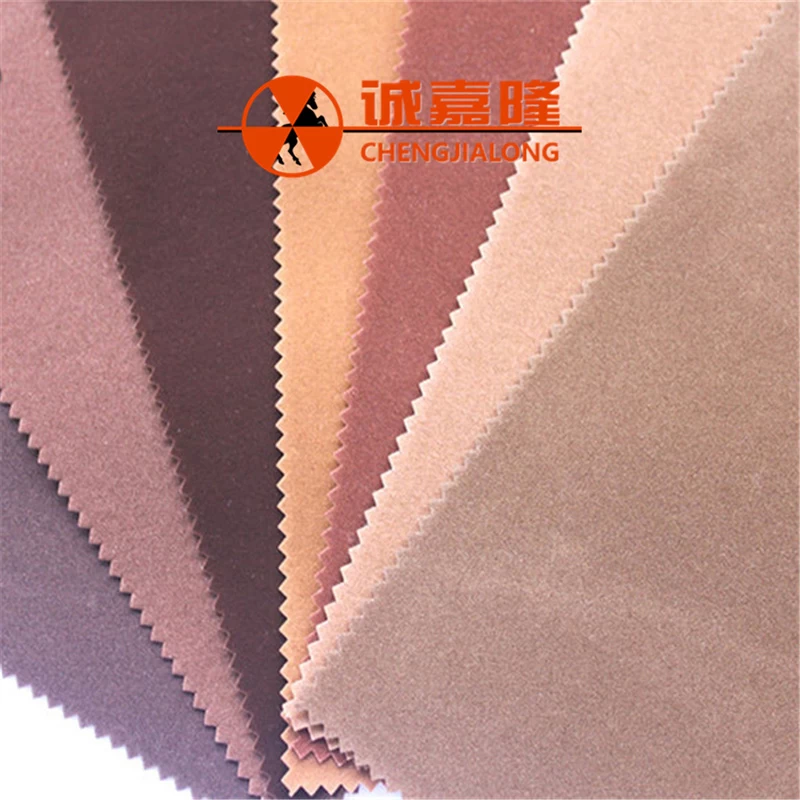
Non-woven flocking refers to a textile manufacturing technique where short fibers are adhered to a substrate to create a soft, velvety texture. This process involves electrostatic or mechanical methods, allowing fibers to be densely packed while remaining lightweight. The result is a surface that not only feels luxurious but also offers functional benefits such as noise reduction and improved durability.
### The Flocking Process
The flocking process typically involves several steps:
1. **Preparation of the Substrate:** The base material, often made from plastics or textiles, is prepared to ensure optimal adhesion of the flock fibers.
2. **Application of Adhesive:** An adhesive is applied to the substrate. This can involve spray applying a special glue or using a pre-coated substrate.
3. **Flocking:** Short fibers are then applied to the adhesive-coated surface. This can be done through an electrostatic process that helps fibers stand upright and adhere more uniformly.
4. **Curing:** Once the fibers are applied, the adhesive is cured to ensure a strong bond between the fibers and the substrate.
5. **Finishing:** Finally, any excess fibers are removed, and the surface is checked for quality, ensuring a consistent and appealing finish.
## Applications in Automotive Interiors
Non-woven flocking has found diverse applications within automotive interiors, enhancing both functionality and aesthetics. Some key areas include:
### 1. Dashboards
Flocked surfaces on dashboards provide a tactile experience that enhances driver and passenger comfort. The soft texture reduces glare from sunlight, promoting visibility and safety. Additionally, the use of flocking can help conceal minor imperfections in the dashboard material, resulting in a more polished appearance.
### 2. Door Panels
Flocking is commonly used on door panels to provide a cohesive look and feel within the vehicle’s interior. This technique can help reduce noise levels by absorbing sound vibrations, contributing to a quieter cabin environment. Furthermore, the use of non-woven flocking can help streamline production processes by combining aesthetic appeal with functional requirements.
### 3. Headliners
Headliners, or the fabric that covers the interior roof of a vehicle, benefit significantly from flocking. The soft surface contributes to acoustics by dampening noise and creating a serene driving experience. Additionally, flocked headliners can be customized in terms of color and texture, allowing manufacturers to meet specific design requirements.
### 4. Center Consoles and Armrests
Flocking can enhance the functionality of center consoles and armrests by providing a non-slip surface. This ensures that items placed on these surfaces remain secure during transit. Aesthetically, the luxurious feel of flocked materials elevates the overall perception of quality within the vehicle's interior.
### 5. Seating
Incorporating flocking into seating materials can enhance comfort levels. The plush texture provides a cozy seating experience, making long journeys more enjoyable. Moreover, flocked upholstery can also be engineered to improve wear resistance, thereby extending the life of the seats.
## Benefits of Non-woven Flocking in Automotive Interiors
The integration of non-woven flocking in automotive interiors brings numerous advantages:
### 1. Enhanced Aesthetics
The velvety texture of flocking adds a touch of luxury to automotive interiors. With a variety of colors and finishes available, manufacturers can easily customize interiors to align with brand identity or customer preferences. This versatility makes flocking an attractive option for carmakers aiming to differentiate their vehicles in a competitive market.
### 2. Improved Comfort
Flocked surfaces are soft to the touch, providing a comfortable experience for both drivers and passengers. This sensory aspect is particularly important in an age where consumer expectations are high regarding the quality of materials used in vehicles.
### 3. Noise Reduction
One of the most practical benefits of non-woven flocking is its ability to absorb sound. In an era where cabin noise can detract from the driving experience, flocked materials offer a solution that enhances acoustic performance and contributes to a more peaceful environment.
### 4. Durability
Non-woven flocked surfaces tend to exhibit high resistance to wear and tear. The fibers are securely bonded to the substrate, reducing the likelihood of fraying or peeling over time. As a result, vehicles that utilize flocking may require less frequent repairs or replacements for interior components.
### 5. Easy Maintenance
Flocked surfaces are relatively easy to clean. Many modern flocked materials are designed to withstand spills and stains, helping maintain the vehicle's interior appearance over time. Furthermore, their durability means they can endure regular cleaning without significant degradation.
## Challenges and Considerations
While non-woven flocking offers numerous benefits, there are challenges associated with its application in automotive interiors that must be addressed:
### 1. Cost
The flocking process can be more expensive than traditional upholstery methods. The initial investment in materials and technology might deter some manufacturers, especially those operating within tight budget constraints.
### 2. Environmental Concerns
As with many manufacturing processes, the environmental impact of flocking cannot be overlooked. The adhesives used in the flocking process may contain volatile organic compounds (VOCs), which can contribute to air pollution. Manufacturers must consider sustainable practices when utilizing flocking in automotive interiors.
### 3. Limited Colorfastness
Some flocked materials may face issues related to colorfastness, especially when exposed to sunlight over extended periods. This can lead to fading, detracting from the aesthetic appeal of an interior. Manufacturers need to invest in high-quality materials and testing to mitigate these concerns.
## Future Prospects
The automotive industry is rapidly evolving, with trends leaning towards sustainability, innovation, and personalization. Non-woven flocking is poised to play a pivotal role in this transformation. As manufacturers explore eco-friendly materials and production processes, flocking can adapt to incorporate sustainable practices without compromising quality.
Additionally, advancements in technology may lead to improved flocking techniques, making the process more cost-effective while enhancing durability and aesthetic appeal. Innovations such as digital printing on flocked surfaces could further expand design possibilities, allowing for more intricate patterns and customizations.
## Conclusion
The role of non-woven flocking in automotive interiors is multifaceted, offering benefits that enhance aesthetics, comfort, and functionality. While challenges exist, the potential for innovation and adaptation in this area is significant. As the automotive industry continues to evolve, non-woven flocking will likely remain a vital component in creating interiors that not only appeal visually but also enrich the overall driving experience. By embracing this material, manufacturers can strike a balance between luxury and practicality, ultimately meeting the demands of today’s discerning consumers.