# The Journey of Recycled Leather: From Waste to Turmeric Yellow Luxury
In an age marked by increasing environmental awareness, the fashion industry is undergoing a significant transformation. One of the standout trends in this movement is the rise of recycled leather—a sustainable alternative that not only reduces waste but also offers luxurious appeal. This blog explores the journey of recycled leather, from its origins as discarded materials to its transformation into high-quality products in striking colors like turmeric yellow.
### Understanding Recycled Leather
Recycled leather, often known as reconstituted leather, is produced from scraps and offcuts of genuine leather that would otherwise be discarded. This innovative approach allows for the reuse of materials while minimizing the demand for new raw hides. The process involves grinding leftover leather into fibers, which are then bonded together with polyurethane or other eco-friendly adhesives to create a new composite material.
The result is a product that retains many of the aesthetic qualities of genuine leather, such as texture and durability, yet carries a lower environmental footprint. With a growing number of brands embracing recycled leather, consumers can enjoy fashionable items while contributing to sustainability—a win-win scenario in today’s eco-conscious market.
### The Production Process: Transforming Waste into Luxury
The journey of recycled leather begins at the production facilities where leather scraps are collected. These scraps can arise from various sources, including manufacturing defects, factory offcuts, and unsold inventory. By sourcing these materials, manufacturers can significantly reduce waste, addressing one of the industry's most pressing issues.
Once collected, the leather is inspected and sorted based on quality. High-quality scraps are selected for further processing, while lesser-quality pieces may be used in other applications. After sorting, the leather is shredded into fine fibers, which are then mixed with bonding agents to create a new, cohesive material.
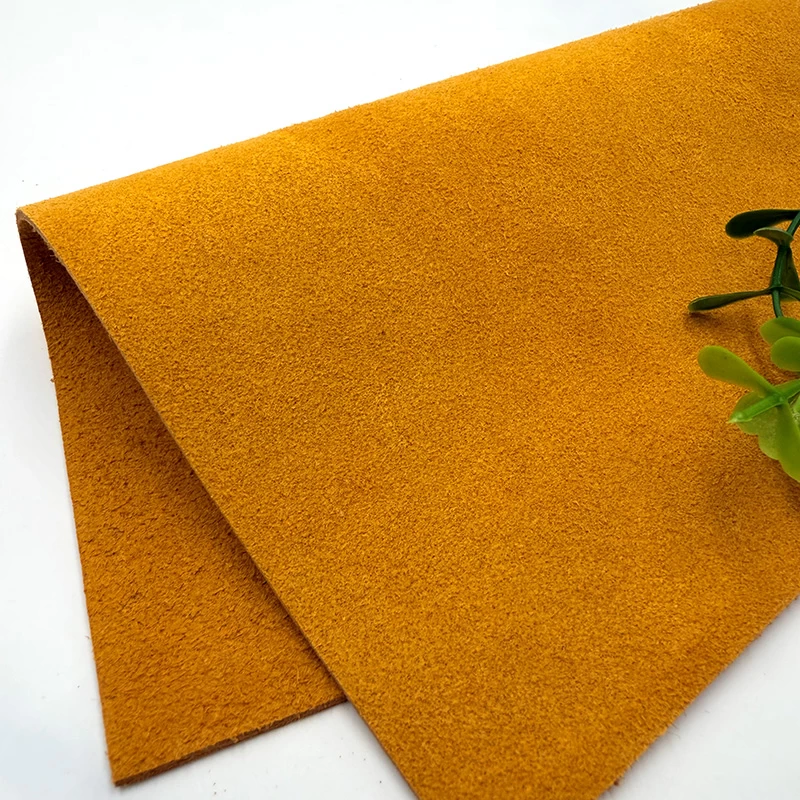
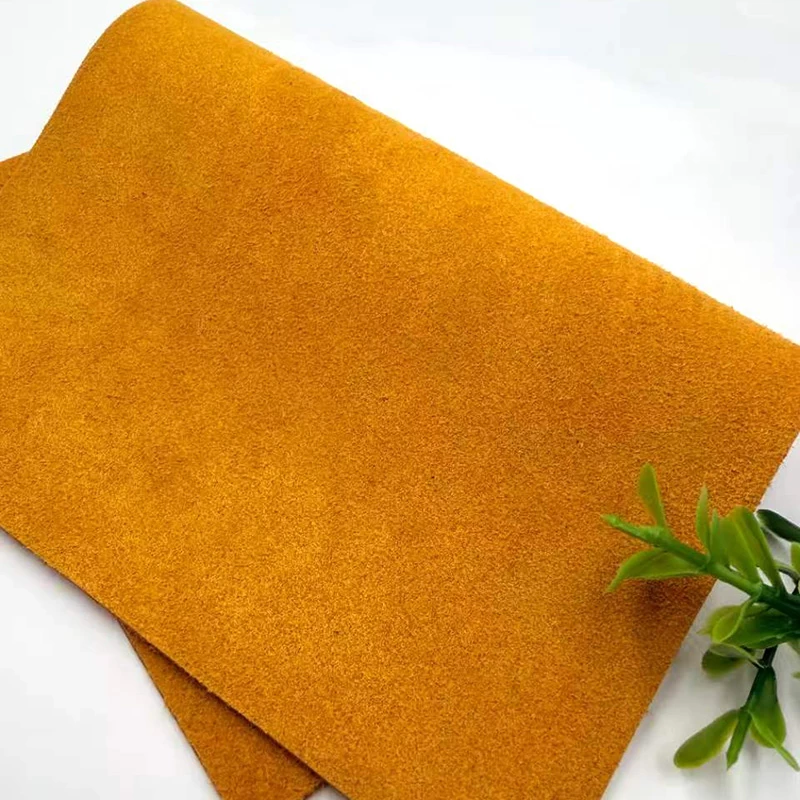
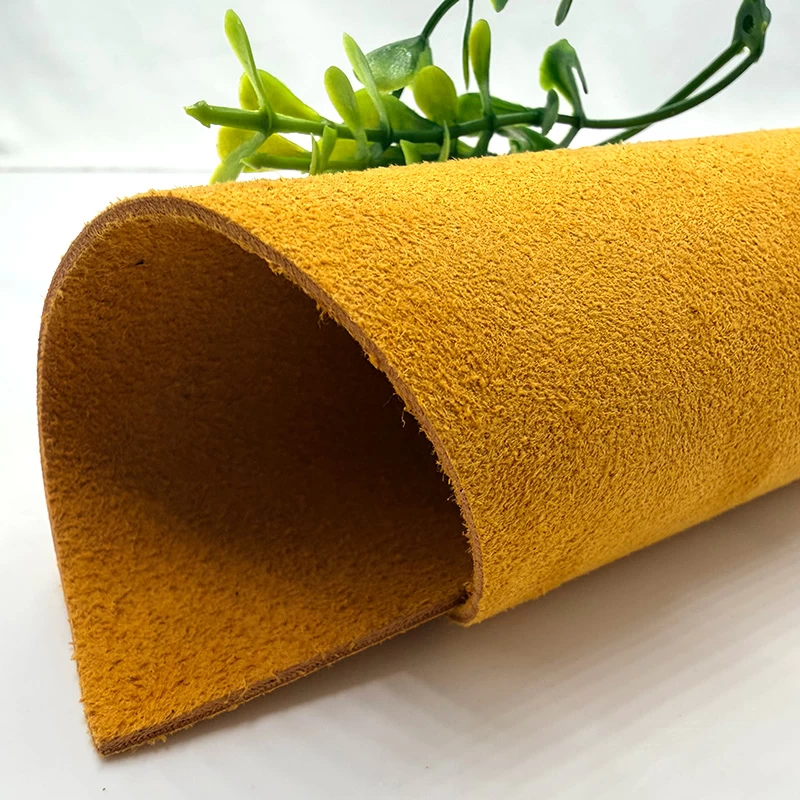
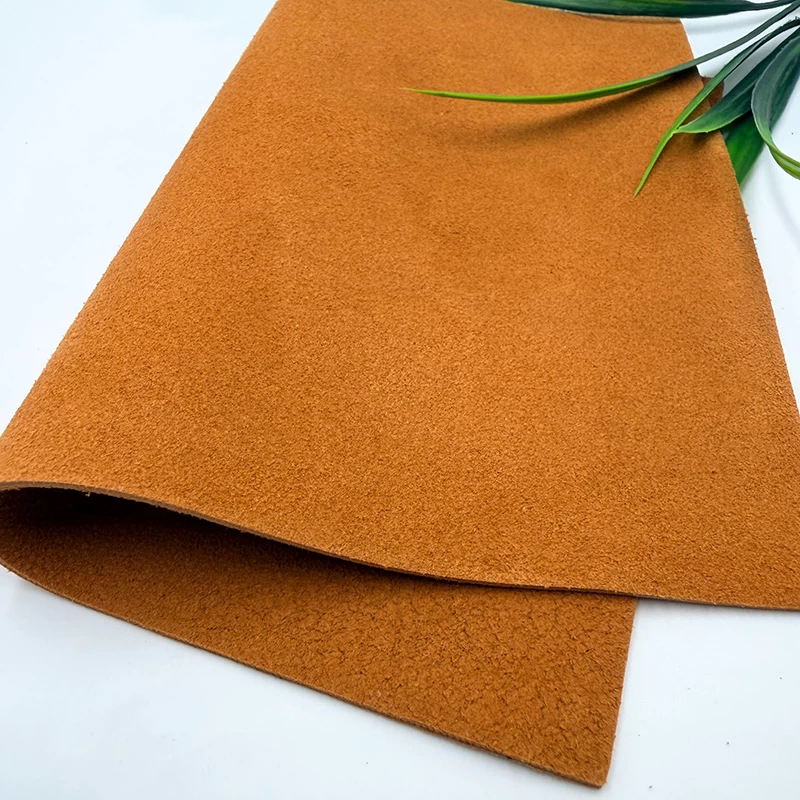
This new material can be dyed in a variety of colors, allowing designers to experiment with bold hues and finishes. One particularly captivating shade that has gained popularity in recent years is turmeric yellow. This vibrant color not only stands out visually but also holds cultural significance, often associated with warmth, positivity, and luxury.
### A Sustainable Fashion Statement
The move towards recycled leather is not merely a trend; it reflects a broader shift in consumer behavior. Shoppers are increasingly aware of the environmental impact of their purchases and are seeking alternatives that align with their values. Brands that adopt sustainable practices, such as using recycled materials, are not just appealing to eco-conscious consumers—they are setting themselves apart in a competitive market.
Recycled leather has found its way into various fashion items, including handbags, shoes, jackets, and accessories. The versatility of this material makes it suitable for a range of styles, from casual wear to high-end fashion. Designers are leveraging the unique characteristics of recycled leather to create eye-catching collections that resonate with contemporary consumers.
### The Role of Color in Recycled Leather Design
Color plays a pivotal role in the design of recycled leather products. While traditional leather is often available in neutral shades, recycled leather opens the door to bold, vibrant colors that can elevate any outfit. Turmeric yellow, in particular, has emerged as a favored choice among designers. This warm, rich hue is not only visually striking but also versatile, easily complementing a variety of other colors and styles.
When designing with colors like turmeric yellow, brands often consider the emotional associations tied to certain hues. Yellow typically evokes feelings of happiness and optimism; thus, incorporating this color into recycled leather products can enhance the overall appeal of the item. Whether used as a statement piece or as an accent in accessories, turmeric yellow adds a touch of luxury and sophistication.
### Craftsmanship Meets Technology
The transformation of recycled leather into luxurious products relies heavily on skilled craftsmanship coupled with modern technology. Artisans play a crucial role in ensuring that each piece maintains high quality while reflecting the unique characteristics of the material. Techniques such as stitching, embossing, and dyeing allow craftsmen to create intricate designs that highlight the beauty of recycled leather.
Moreover, technological advancements have enhanced the production process, enabling greater efficiency and consistency. For instance, laser cutting technology allows for precise shapes and patterns without compromising the integrity of the material. Additionally, computer-aided design (CAD) tools enable designers to visualize and refine their ideas before they go into production, ensuring that the final product meets both aesthetic and functional standards.
### The Impact of Responsive Design in Fashion Marketing
As the fashion industry continues to evolve, brands must adapt to changing consumer preferences—not just in product offerings but also in marketing strategies. With the rise of e-commerce, responsive design has become essential for brands looking to showcase their recycled leather collections online.
Responsive design ensures that websites function seamlessly across devices, whether on desktops, tablets, or smartphones. This adaptability is crucial for brands aiming to reach a broad audience. Elements such as layout, typography, and color schemes must be optimized to create a visually appealing and user-friendly experience.
For example, creating an engaging hero section on a website can draw attention to new recycled leather collections. Using a combination of high-quality images and concise text, brands can effectively communicate the story behind their products, highlighting the sustainable journey from waste to luxury. Additionally, utilizing CSS variables for color themes allows for quick adjustments across the site, ensuring consistency and enhancing the branding experience.
### The Future of Recycled Leather
The journey of recycled leather is just beginning, and its future looks promising. As technology continues to advance and consumer demand for sustainable products grows, we can expect to see even more innovative uses for recycled leather. Brands will likely expand their offerings, experimenting with new colors, textures, and designs.
Collaboration between fashion brands and environmental organizations is also expected to increase. By working together, they can raise awareness about sustainable practices and educate consumers about the benefits of choosing recycled materials. Initiatives such as take-back programs and recycling incentives can further encourage responsible consumption, creating a circular economy where waste is minimized, and materials are reused.
### Conclusion
The journey of recycled leather from waste to luxurious turmeric yellow products embodies the spirit of innovation and sustainability in the fashion industry. As consumers become more discerning in their purchasing decisions, brands that prioritize environmental responsibility will thrive. The transformation of recycled leather not only mitigates waste but also creates beautiful, high-quality products that resonate with a new generation of conscious shoppers.
By embracing this journey, consumers can indulge in luxury without compromising their values. In doing so, they contribute to a more sustainable future—one where fashion and environmental stewardship coexist harmoniously. The evolution of recycled leather is a testament to what can be achieved when creativity meets responsibility, paving the way for a brighter, greener tomorrow.