# Sustainable Practices in Non-Woven Flocking: Eco-Friendly Innovations
As the world moves towards a more sustainable future, industries are increasingly adopting eco-friendly practices to mitigate their environmental impact. Among these sectors, the textile and material manufacturing industry has taken significant strides in recent years, particularly in the realm of non-woven flocking. This blog post will delve into sustainable practices within non-woven flocking, exploring eco-friendly innovations, and how they contribute to a greener planet.
## Understanding Non-Woven Flocking
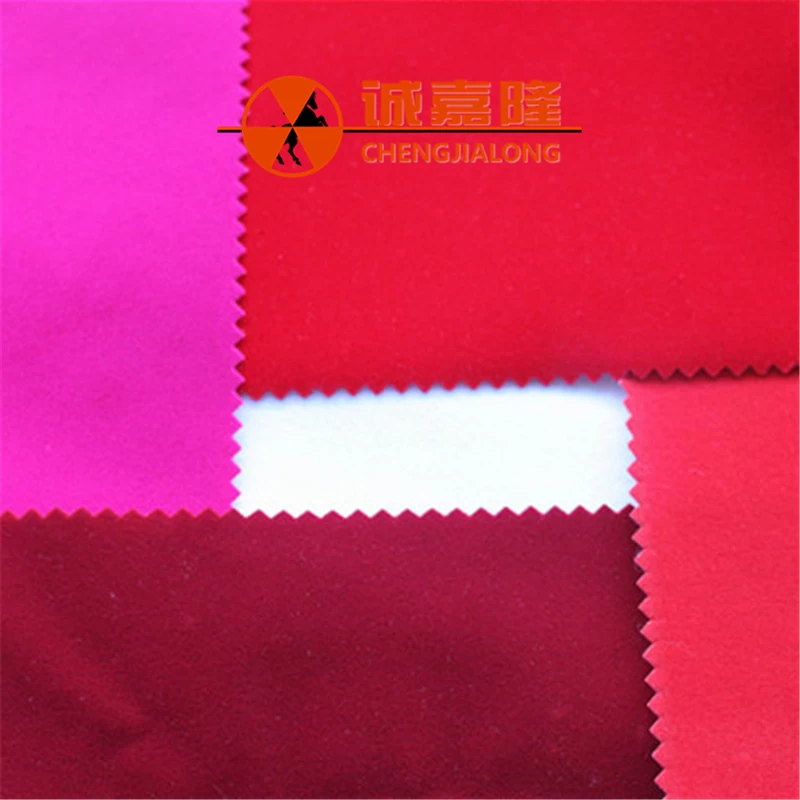
Non-woven flocking is a process that involves applying short fibers to a substrate material to create a soft, textured surface. This technique is commonly used in various applications, including automotive interiors, fashion, home décor, and packaging. Traditionally, the materials used in non-woven flocking processes were not environmentally friendly, which prompted a shift towards more sustainable alternatives.
### The Importance of Sustainability in Non-Woven Flocking
The textile industry has long been criticized for its detrimental effects on the environment, including water pollution, excessive waste, and high energy consumption. By adopting sustainable practices, manufacturers can significantly reduce their ecological footprint while still meeting consumer demands for quality and innovation. Sustainable non-woven flocking practices can include using biodegradable materials, reducing energy consumption, recycling waste products, and employing eco-friendly dyes.
## Eco-Friendly Innovations in Non-Woven Flocking
### 1. Biodegradable Materials
One of the most promising eco-friendly innovations in non-woven flocking is the use of biodegradable materials. Traditional synthetic fibers, such as polyester and nylon, can take hundreds of years to decompose, contributing to landfill overflow and plastic pollution. In contrast, biodegradable fibers, made from natural sources such as cornstarch or bamboo, break down more quickly and safely in the environment.
Companies are now looking at plant-based alternatives that not only serve aesthetic purposes but also minimize environmental harm. For instance, biopolymers derived from renewable resources can be engineered to meet the desired performance characteristics of traditional synthetic fibers while being more environmentally friendly.
### 2. Recycled Content
Recycling is another essential aspect of sustainable practices in non-woven flocking. Manufacturers are increasingly utilizing recycled materials, including post-consumer plastics, to create non-woven substrates. By incorporating recycled content, companies can reduce their reliance on virgin materials, decrease energy consumption during production, and lower greenhouse gas emissions.
For example, brands like Repreve produce high-quality fibers made from recycled plastic bottles. These fibers can be used in non-woven flocking applications, offering consumers an eco-friendly alternative without sacrificing quality or durability.
### 3. Water-Based Adhesives
Traditional flocking processes often rely on solvent-based adhesives, which can emit volatile organic compounds (VOCs) harmful to both human health and the environment. The shift towards water-based adhesives is a significant step toward sustainability in non-woven flocking. These adhesives have a lower environmental impact and are safer for workers and consumers alike.
Water-based adhesives not only reduce harmful emissions but also simplify the production process by eliminating the need for hazardous solvents. As manufacturers continue to develop and improve these eco-friendly adhesives, their adoption will likely increase across the industry.
### 4. Energy-Efficient Manufacturing Processes
Energy consumption is a critical factor in the sustainability of any manufacturing process. Non-woven flocking operations are no exception. Implementing energy-efficient technologies, such as advanced machinery and renewable energy sources, can lead to substantial reductions in energy usage.
Many companies are investing in solar panels, wind turbines, and other renewable energy sources to power their facilities. Additionally, modern manufacturing techniques like lean production and automation can help minimize energy waste and optimize resource usage.
### 5. Waste Reduction and Circular Economy
The concept of a circular economy emphasizes the importance of reducing waste and promoting the continual use of resources. In non-woven flocking, this can involve reusing waste materials generated during production or recycling end-of-life products.
Manufacturers are exploring ways to reclaim excess fibers and materials used in flocking processes to create new products. For instance, leftover fibers from flocking can be repurposed into insulation materials or cushioning products. By adopting circular economy principles, companies can significantly reduce their waste output and contribute to a more sustainable industry.
## Consumer Awareness and Demand for Sustainable Products
As consumers become more environmentally conscious, there is growing demand for sustainable products. This shift in consumer behavior is compelling manufacturers to adopt sustainable practices, including those in non-woven flocking. Brands that prioritize sustainability not only appeal to eco-conscious consumers but also enhance their reputation and brand loyalty.
### Communicating Sustainability Efforts
In addition to implementing sustainable practices, it is crucial for companies to communicate their efforts effectively. Transparency about sourcing materials, production processes, and environmental initiatives can build trust with consumers. Utilizing eco-labels and certifications can further validate a brand's commitment to sustainability.
For example, brands can highlight their use of biodegradable materials, recycled content, and water-based adhesives on product labels and websites. This communication helps inform consumers about the benefits of their purchases and encourages them to make more sustainable choices.
## Challenges and Future Directions
While significant progress has been made in adopting sustainable practices in non-woven flocking, challenges remain. The cost of sustainable materials and technologies can be higher than traditional options, which may deter some manufacturers from making the switch. Additionally, the availability of eco-friendly materials can vary by region, impacting supply chains.
To overcome these challenges, collaboration between manufacturers, suppliers, and policymakers is essential. Governments can incentivize sustainable practices through subsidies, grants, and tax breaks, while industry organizations can provide resources and support for companies looking to transition to more eco-friendly practices.
Furthermore, continued research and innovation in sustainable materials and technologies will be vital for the future of non-woven flocking. By investing in research and development, the industry can discover new solutions that balance performance, cost, and environmental impact.
## Conclusion
Sustainable practices in non-woven flocking represent a crucial step toward a more environmentally friendly textile industry. By embracing biodegradable materials, recycling content, utilizing water-based adhesives, optimizing energy efficiency, and minimizing waste, manufacturers can significantly reduce their ecological footprint.
As consumer awareness and demand for sustainable products continue to grow, it is imperative for companies to prioritize eco-friendly innovations. By communicating their sustainability efforts transparently, brands can foster trust and loyalty among consumers.
The journey toward sustainability is ongoing, but with continued commitment and collaboration, the non-woven flocking industry can play a vital role in building a greener future. Embracing these eco-friendly innovations not only benefits the planet but also positions companies as leaders in an increasingly competitive marketplace.