# From Waste to Wow: The Process of Creating Royal Blue Recycled Bull Nubuck Leather
In an era where sustainability is not just a trend but a necessity, the fashion and leather industries are continuously evolving. One significant innovation is the development of recycled materials that minimize waste and environmental impact. Among these, Royal Blue Recycled Bull Nubuck Leather stands out as a vibrant and sustainable option. This article delves into the intricate process involved in transforming waste into this luxurious material, exploring every stage from sourcing to final product.
## Understanding Nubuck Leather
Before we embark on the journey of creating Royal Blue Recycled Bull Nubuck Leather, it’s essential to understand what nubuck leather is. Nubuck is a type of leather that has been sanded or buffed on the grain side, making it soft and velvety to the touch. It is known for its durability and ability to acquire a unique character over time. Traditional nubuck is made from high-quality animal hides, predominantly from cows, which can result in significant waste during production.
### The Need for Sustainability in Leather Production
The conventional leather industry faces substantial criticism for its environmental footprint. Issues such as deforestation for cattle grazing, chemical pollution from tanning processes, and the immense amount of waste generated have raised concerns among consumers and environmentalists alike. As a response, the industry is increasingly turning to recycling and innovative materials to create leather alternatives that do not compromise on quality, aesthetics, or ethics.
## The Process of Creating Royal Blue Recycled Bull Nubuck Leather
### Step 1: Sourcing Waste Materials
The journey of creating Royal Blue Recycled Bull Nubuck Leather begins with sourcing post-consumer and post-industrial leather waste. This waste typically includes scraps from furniture manufacturing, automotive upholstery, and fashion production. By reclaiming these materials, manufacturers can significantly reduce the demand for virgin leather, thus promoting sustainability.
### Step 2: Cleaning and Processing
Once the leather waste is collected, it undergoes a thorough cleaning process. This step is crucial to remove any impurities, dirt, and chemicals that may have been used in previous treatments. High-pressure washing and eco-friendly detergents are often employed to ensure that the leather is clean without introducing harmful substances back into the environment.
### Step 3: Shredding and Grinding
After cleaning, the leather waste is shredded into smaller pieces. This shredding process increases the surface area of the material, making it easier to handle during the subsequent stages. The shredded leather is then ground into fine particles, which will be used as the base for creating recycled bull nubuck leather.
### Step 4: Binding Agents and Coloration
To transform the shredded leather into a usable material, binding agents are added. These agents help to bond the leather fibers together, ensuring a cohesive and durable final product. At this stage, the desired color—Royal Blue in this case—is introduced. Eco-friendly dyes are used to achieve a vibrant hue while minimizing environmental harm. This is where creativity meets sustainability, as manufacturers can experiment with shades and finishes while adhering to eco-conscious practices.
### Step 5: Pressing and Forming
Once the leather mixture is prepared, it is pressed into sheets. This process often involves heat and pressure, which compact the fibers and create a uniform texture. The pressing stage is vital for achieving the soft, velvety feel characteristic of nubuck leather. After pressing, the sheets are allowed to cool and set, solidifying the structure.
### Step 6: Finishing Touches
After the sheets have cooled, they undergo a finishing process that enhances their appearance and durability. This may involve sanding the surface to create the desired nap, giving the leather its signature soft texture. Additional treatments might include water-repellent coatings or protective finishes to increase longevity and usability.
### Step 7: Quality Control
Quality control is an essential phase in the production of Royal Blue Recycled Bull Nubuck Leather. Each batch is meticulously inspected for consistency in texture, color, and overall quality. This scrutiny ensures that the final product meets the high standards expected by consumers and brands alike.
### Step 8: Product Development
With the recycled nubuck leather ready, designers can begin the process of creating end products. From handbags to footwear and clothing, the versatility of this material opens up a world of possibilities. Designers can leverage its rich color and texture to craft stylish, eco-friendly items that appeal to modern consumers seeking sustainable alternatives.
## The Benefits of Royal Blue Recycled Bull Nubuck Leather
### Eco-Friendly
One of the most significant advantages of using Royal Blue Recycled Bull Nubuck Leather is its positive environmental impact. By recycling leather waste, the production process conserves resources and reduces the carbon footprint associated with traditional leather manufacturing.
### Unique Aesthetic
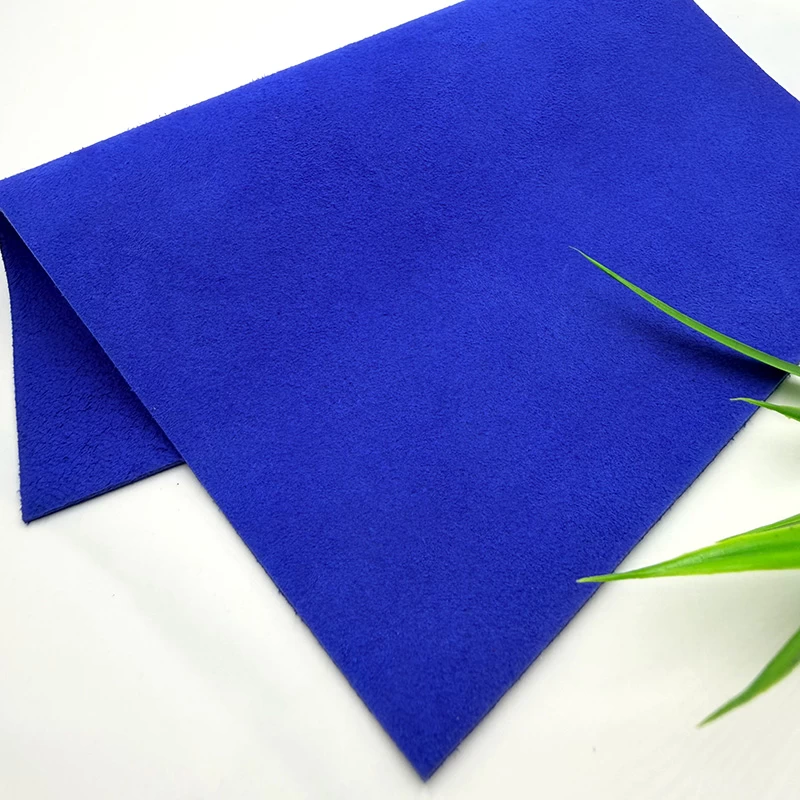
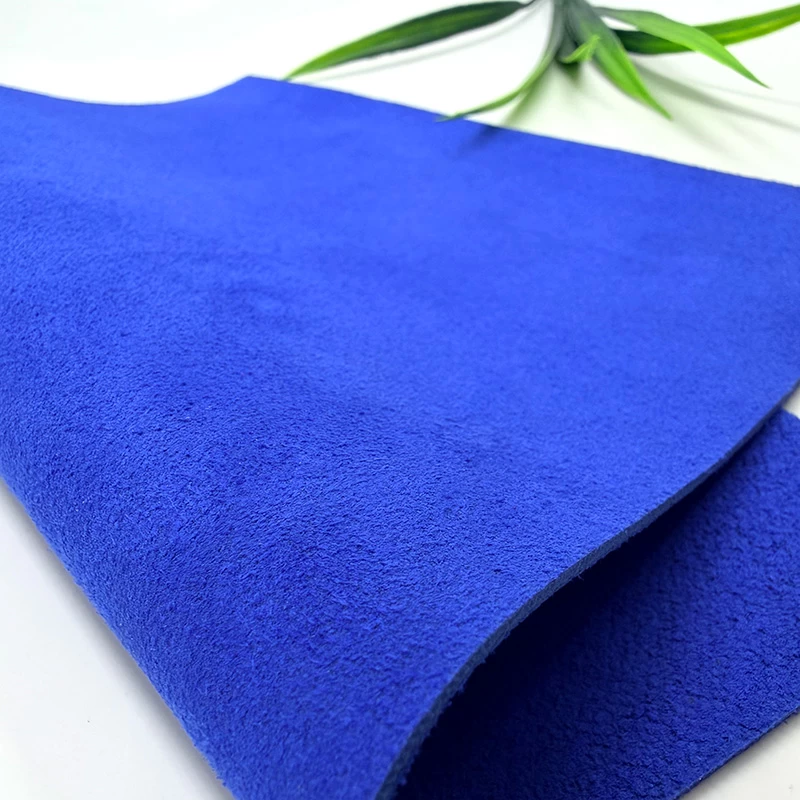
The vibrant royal blue hue combined with the luxurious texture of nubuck creates a unique aesthetic that is both eye-catching and sophisticated. Products made from this material stand out in the marketplace, appealing to consumers who value individuality and style.
### Durability
Despite being recycled, the final product retains the durability inherent in nubuck leather. This makes it suitable for various applications, from high-end fashion to everyday accessories, ensuring longevity and reducing the need for frequent replacements.
### Ethical Considerations
Consumers today are increasingly aware of the ethical implications of their purchases. Royal Blue Recycled Bull Nubuck Leather offers an alternative that aligns with ethical consumption by minimizing waste and reducing the demand for new animal hides.
## Conclusion
The journey from waste to wow in the creation of Royal Blue Recycled Bull Nubuck Leather is a testament to innovation and sustainability within the leather industry. By harnessing the potential of recycled materials, manufacturers not only create beautiful products but also contribute positively to the environment. As consumers continue to seek out sustainable options, the demand for such innovative materials will likely grow, paving the way for a brighter, more responsible future in fashion and beyond.
Whether you’re a designer, retailer, or conscious consumer, embracing materials like Royal Blue Recycled Bull Nubuck Leather is a step towards a more sustainable and stylish world.