# Comparing Traditional Leather to Recycled Bull Nubuck Leather
When it comes to choosing materials for leather goods, the decision often boils down to traditional leather or newer alternatives like recycled bull nubuck leather. In the age of sustainability and eco-conscious consumerism, understanding the differences between these two types of leather is crucial for making informed choices. This article will explore the characteristics, production processes, environmental impacts, and applications of traditional leather compared to recycled bull nubuck leather.
### Understanding Traditional Leather
Traditional leather has been used for thousands of years, renowned for its durability, versatility, and aesthetic appeal. Derived from animal hides, primarily from cattle, sheep, and goats, traditional leather undergoes a tanning process to preserve it and enhance its characteristics. Tanning can be done using various methods, including vegetable tanning, chrome tanning, and synthetic methods. The choice of tanning affects the leather's texture, color, and overall quality.
#### Characteristics of Traditional Leather
1. **Durability**: Traditional leather is known for its long lifespan. With proper care, leather items can last for decades, making them a worthwhile investment.
2. **Aesthetic Appeal**: The natural grain patterns, textures, and colors of traditional leather create unique and luxurious products. Over time, leather develops a patina that adds character and charm.
3. **Breathability**: Leather is a natural material that allows air circulation, making it comfortable to wear, especially in clothing and footwear.
4. **Versatility**: From bags to shoes to upholstery, traditional leather can be crafted into a wide variety of products, appealing to diverse consumer preferences.
5. **Maintenance**: While durable, traditional leather requires regular maintenance, including conditioning and cleaning, to prevent cracking and drying out.
### The Rise of Recycled Bull Nubuck Leather
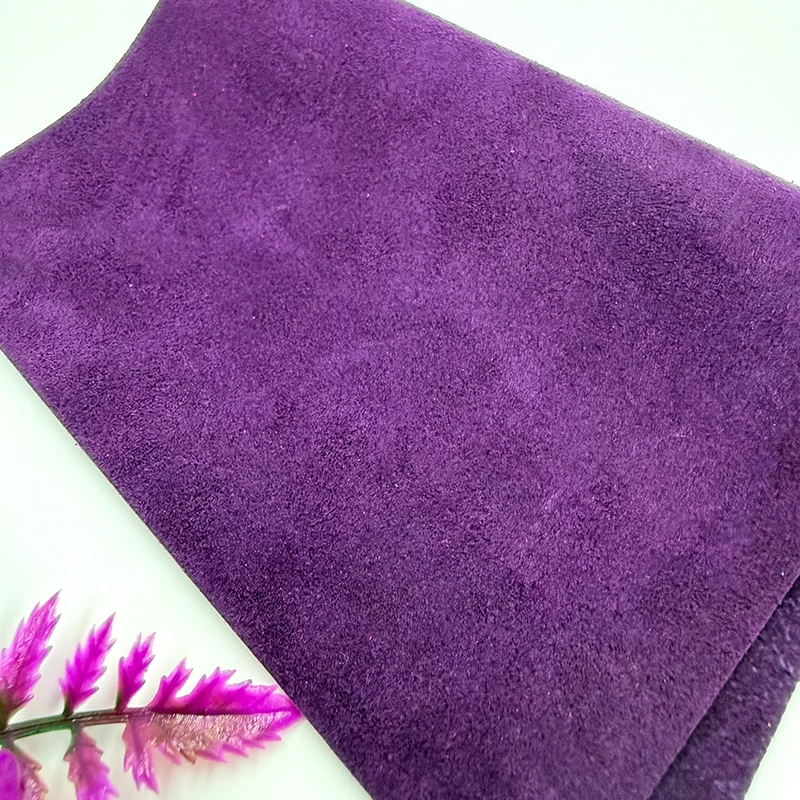
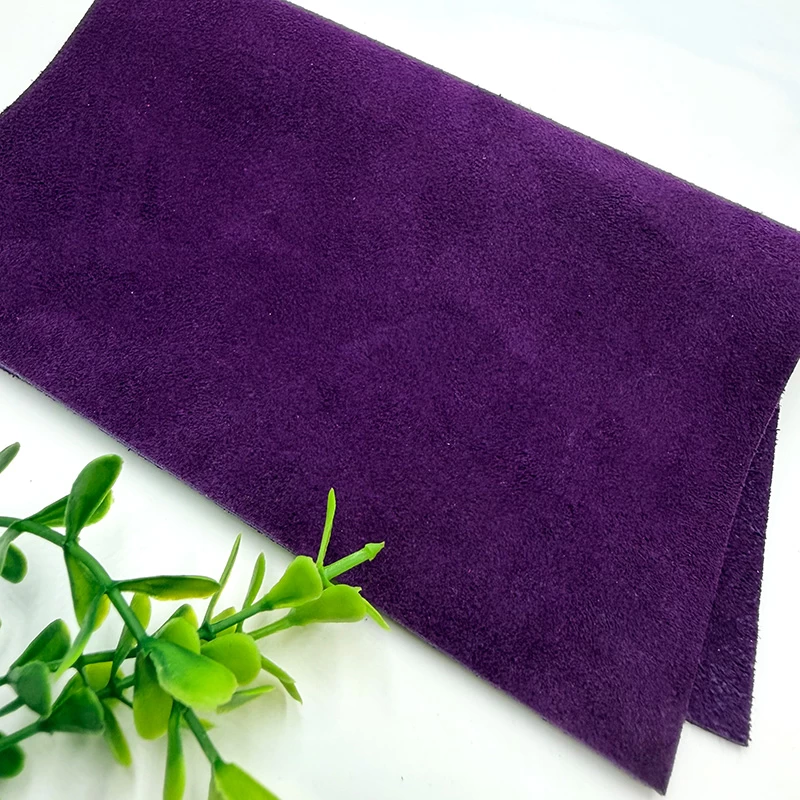
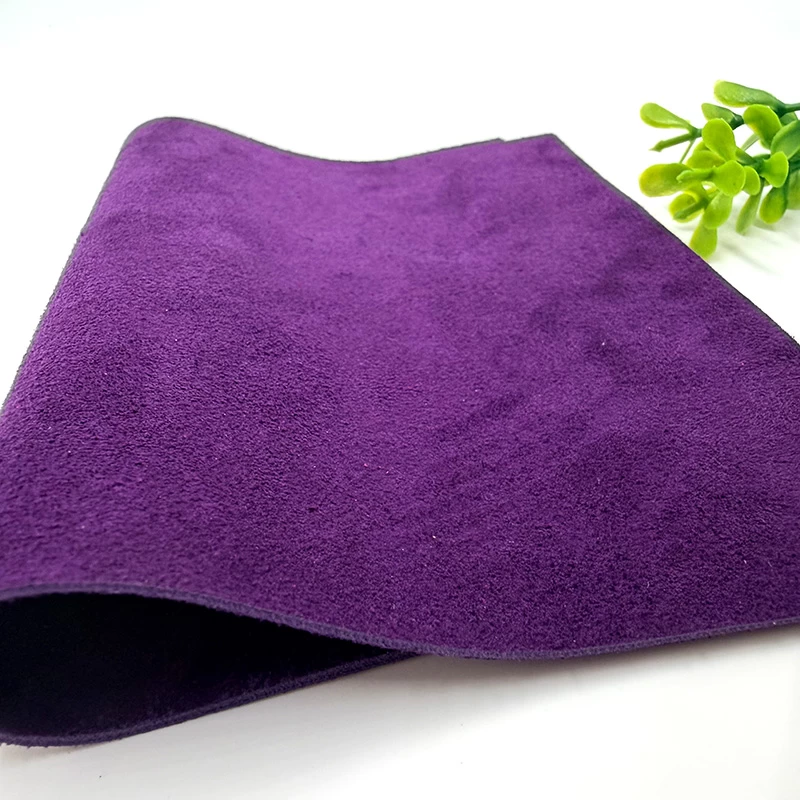
Recycled bull nubuck leather is an innovative alternative to traditional leather, born out of the necessity for sustainable practices in the fashion and design industries. Nubuck is made from the outer layer of cowhide, which is sanded or buffed to produce a velvety texture. By recycling leather scraps and offcuts, manufacturers can create high-quality nubuck leather that minimizes waste and reduces the environmental footprint associated with leather production.
#### Characteristics of Recycled Bull Nubuck Leather
1. **Sustainability**: The most significant advantage of recycled bull nubuck leather is its lower environmental impact. By utilizing existing materials, it reduces the demand for new hides and conserves resources.
2. **Softness and Texture**: Nubuck leather is known for its soft, luxurious feel and unique texture. The recycled version maintains these qualities while being more eco-friendly.
3. **Color Options**: Recycled materials often come in various colors, thanks to the dyeing processes used in the recycling stage. This offers consumers a range of aesthetic choices.
4. **Maintenance**: While recycled nubuck leather is generally easy to maintain, it may require specific cleaning techniques to preserve its texture. Regular brushing and occasional waterproofing can help maintain its look.
5. **Affordability**: Generally, recycled leather can be more affordable than traditional leather, making it accessible to a broader audience without compromising quality.
### Environmental Impact: A Comparative Analysis
The environmental benefits of recycled bull nubuck leather are particularly poignant when juxtaposed against traditional leather. Here are some critical areas where the two differ:
1. **Resource Consumption**: Traditional leather production is resource-intensive, requiring significant amounts of water, land, and feed for livestock. In contrast, recycled leather utilizes existing materials, drastically reducing the need for new resources.
2. **Chemical Usage**: The tanning process of traditional leather often involves harmful chemicals, particularly in chrome tanning, which can have detrimental effects on both the environment and human health. Many recycled leather processes aim to minimize or eliminate these chemicals, resulting in a safer product.
3. **Waste Reduction**: Recycling leather significantly reduces waste. The fashion industry is notorious for its contributions to landfill waste, but by reusing leather scraps, companies can contribute to a circular economy.
4. **Carbon Footprint**: The carbon emissions associated with raising livestock and processing hides for traditional leather are considerable. Recycled leather has a much smaller carbon footprint due to its reliance on pre-existing materials.
### Applications of Leather Types
Both traditional and recycled bull nubuck leather have their respective applications, but they cater to different markets and consumer preferences.
- **Traditional Leather Applications**:
- High-end fashion items such as designer handbags, jackets, and shoes.
- Upholstery for luxury furniture and cars.
- Accessories like belts and wallets that emphasize durability and style.
- **Recycled Bull Nubuck Leather Applications**:
- Eco-friendly fashion lines targeting environmentally conscious consumers.
- Casual footwear and bags that prioritize comfort and sustainability.
- Home decor items aimed at a market that values sustainability without sacrificing style.
### Consumer Considerations
When choosing between traditional leather and recycled bull nubuck leather, consumers should consider several factors:
1. **Personal Values**: For those prioritizing sustainability, recycled bull nubuck leather may resonate more strongly due to its eco-friendly attributes.
2. **Budget**: While traditional leather can be a long-term investment, recycled leather may offer similar aesthetics and quality at a lower price point.
3. **Style Preferences**: Depending on individual tastes and lifestyle needs, one might prefer the timeless elegance of traditional leather or the soft, modern feel of nubuck leather.
4. **Care and Maintenance**: Consumers should also factor in their willingness to maintain leather products. Traditional leather requires more upkeep compared to recycled options.
### Conclusion
In conclusion, both traditional leather and recycled bull nubuck leather have distinct advantages and disadvantages. Traditional leather boasts durability, timeless beauty, and versatility, but comes at a higher environmental cost. Recycled bull nubuck leather, on the other hand, presents a sustainable alternative, offering a soft texture and unique aesthetic while minimizing ecological impact.
As the fashion industry continues to evolve, the choice between these two materials will increasingly reflect consumer values, lifestyle choices, and environmental considerations. Ultimately, understanding the nuances between traditional leather and recycled bull nubuck leather empowers consumers to make choices that align with their principles, ensuring that the products they choose not only meet their needs but also contribute positively to the world around them.