# A Beginner's Guide to Non-woven Flocking: Tips and Tricks
Non-woven flocking is an innovative and versatile technique that has gained significant popularity in the last few years, particularly in the textile and manufacturing industries. This method involves the application of short fibers, or "flock," onto a substrate, creating a soft, textured surface that enhances both the aesthetic appeal and functional properties of various products. In this guide, we will explore the fundamentals of non-woven flocking, its applications, and provide you with essential tips and tricks to get started.
## What is Non-woven Flocking?
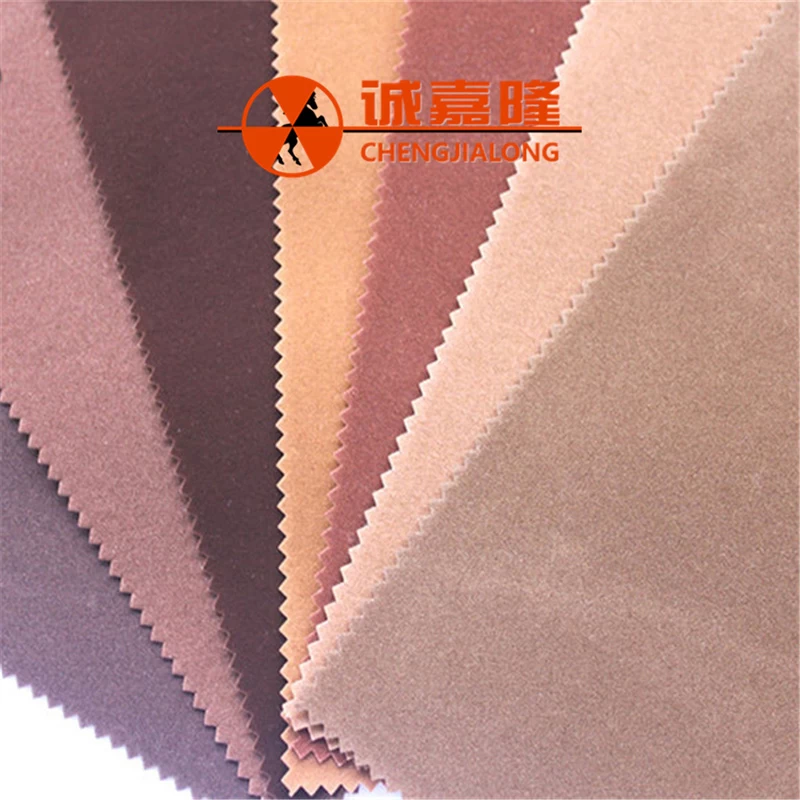
Non-woven flocking refers to the process of applying a layer of small, fibrous materials onto a base material without using traditional weaving or knitting methods. The result is a velvety texture that can be applied to a variety of surfaces, including fabrics, plastics, paper, and more. The fibers used in flocking can be made from various materials, including nylon, polyester, and rayon, allowing for a wide range of textures and colors.
The flocking process typically involves three main steps:
1. **Preparation of the Substrate**: The base material must be clean and free from contaminants to ensure proper adhesion of the flock.
2. **Application of Adhesive**: An adhesive is applied to the surface of the substrate. This could be a spray, roller, or screen printing process, depending on the desired outcome.
3. **Flocking Application**: Flock fibers are then electrostatically charged and sprayed onto the adhesive-coated surface, where they stick and form a uniform layer of fibers.
### Benefits of Non-woven Flocking
The popularity of non-woven flocking stems from its numerous benefits, which include:
- **Enhanced Aesthetic Appeal**: Flocking can create visually striking surfaces that attract consumers and elevate product value.
- **Soft Touch Feel**: The velvety finish adds a luxurious touch, making it ideal for items like apparel, automotive interiors, and home décor.
- **Durability**: Flocked surfaces can be resistant to wear and tear, maintaining their appearance over time.
- **Sound Absorption**: The fibrous texture can help absorb sound, making it beneficial in environments that require noise reduction.
- **Thermal Insulation**: Flocked materials can provide added insulation, contributing to energy efficiency in products like automotive panels.
## Applications of Non-woven Flocking
Non-woven flocking has a wide array of applications across various industries:
### 1. Fashion and Apparel
In the fashion industry, flocking is often used to add unique textures to garments and accessories. From flocked prints on clothing to luxurious finishes on handbags, the possibilities are endless.
### 2. Automotive
Flocking is commonly used in automotive interiors, such as dashboard coverings, door panels, and headliners. The soft touch and sound-dampening properties enhance the overall driving experience.
### 3. Furniture and Home Décor
Flocked surfaces can bring a cozy and inviting feel to furniture, wall coverings, and home accessories. Flocking can also be applied to lampshades, curtains, and cushions for a sophisticated look.
### 4. Packaging
In packaging, flocking can be used to create high-end product presentation, particularly for items like cosmetics, jewelry, and electronics. The textured finish adds a layer of luxury that enhances brand perception.
### 5. Crafts and DIY
For hobbyists and crafters, flocking offers endless creative possibilities. Whether you're personalizing gifts, creating home décor items, or enhancing scrapbooks, flocking can add depth and dimension to your projects.
## Tips and Tricks for Successful Non-woven Flocking
If you're new to non-woven flocking, here are some essential tips and tricks to help you achieve professional results:
### 1. Choose the Right Materials
Selecting the appropriate substrate and flock material is crucial for successful flocking. Ensure that the substrate is compatible with the adhesive and flock fibers you plan to use. Consider factors such as texture, color, and intended use.
### 2. Prepare Your Workspace
A clean, dust-free environment is essential for flocking. Dust and contaminants can interfere with adhesion and lead to uneven results. Set up your workspace in a well-ventilated area, and ensure all tools and materials are organized and ready for use.
### 3. Experiment with Adhesives
Different adhesives yield different results, so it's important to experiment with various types to find what works best for your project. Water-based adhesives are popular for their ease of use and eco-friendliness, while solvent-based adhesives may provide stronger bonding for specific applications.
### 4. Master the Application Technique
Applying the adhesive evenly is key to achieving a smooth flocked finish. Use a spray gun or roller for larger surfaces, and a brush for detailed work. Ensure the adhesive is applied in a thin, even layer to prevent clumping and uneven flock distribution.
### 5. Control the Flocking Process
Electrostatic flocking can be tricky to master, but controlling the charge and distance between the flock applicator and substrate is vital. Experiment with different settings to find the optimal distance and voltage for your specific flocking material.
### 6. Allow for Proper Curing Time
After applying the flock, allow sufficient time for the adhesive to cure before handling the item. Follow the manufacturer's instructions regarding curing times to ensure optimal bonding.
### 7. Test and Adjust
Before committing to a large project, conduct test runs on smaller samples to fine-tune your technique and materials. This will help you identify any potential issues and adjust your approach as needed.
### 8. Embrace Creativity
Flocking isn't just about creating a soft texture; it's also an opportunity for artistic expression. Experiment with layering different colors of flock, creating patterns, and incorporating other materials to make unique designs.
### 9. Focus on Finishing Touches
Once the flocking is complete, consider adding finishing touches such as trimming excess fibers, applying a protective coating, or incorporating contrasting elements to enhance the overall design.
### 10. Stay Informed
As with any craft or manufacturing technique, staying updated on new trends, technologies, and materials in non-woven flocking can help you stay competitive and inspired. Join online forums, attend workshops, and follow industry publications to keep your skills sharp.
## Conclusion
Non-woven flocking is a versatile and creative technique that offers endless possibilities across various industries. By understanding the fundamentals of flocking, selecting the right materials, and mastering the application process, you can create stunningly textured surfaces that enhance the appeal and functionality of your products. With practice and experimentation, you'll soon develop the skills necessary to bring your flocking ideas to life. Whether you're involved in fashion, automotive design, home décor, or DIY crafts, non-woven flocking can elevate your projects and set them apart in a competitive market. Embrace the journey, and watch your creativity soar!