# The Environmental Benefits and Aesthetic Appeal of Using Recycled Materials in Fashion
In an age where sustainability has become a critical focus across various industries, the fashion sector is increasingly turning towards recycled materials to mitigate its environmental impact. This trend not only addresses the pressing issue of waste but also introduces a unique aesthetic appeal that resonates with contemporary consumers. In this article, we will explore the multifaceted benefits of using recycled materials in fashion, highlighting both environmental advantages and the distinctive styles they bring to the table.
## Understanding the Environmental Impact of Fashion
The fashion industry is considered one of the most polluting sectors globally, responsible for significant carbon emissions, water usage, and waste generation. According to the United Nations Environment Programme, it accounts for about 10% of global carbon emissions. Traditional textile production is resource-intensive, requiring vast amounts of water and energy, while also contributing to pollution through chemical runoff and landfill waste.
### The Case for Recycled Materials
Recycling materials presents a viable solution to many of these pressing concerns. By utilizing discarded fabrics and other materials, the fashion industry can significantly reduce its reliance on virgin resources. Here are some key environmental benefits:
1. **Waste Reduction**: The use of recycled materials helps divert waste from landfills. Every year, millions of tons of textiles are discarded, contributing to the growing waste crisis. By incorporating recycled fibers into new garments, brands can help close the loop on textile waste.
2. **Lower Carbon Footprint**: Producing garments from recycled fibers typically requires less energy than creating them from scratch. For instance, recycling polyester can save up to 70% of the energy needed to produce virgin polyester. This reduction in energy consumption translates to lower greenhouse gas emissions.
3. **Conservation of Resources**: Recycling reduces the demand for raw materials. For example, using recycled cotton or wool means fewer natural resources are extracted, preserving ecosystems and biodiversity. The cultivation of new cotton, for instance, is water-intensive and often involves harmful pesticides.
4. **Encouragement of Sustainable Practices**: The shift towards recycled materials encourages manufacturers to adopt sustainable practices throughout their supply chains. This includes sourcing materials responsibly, reducing water and energy usage, and minimizing chemical inputs.
5. **Innovative Material Development**: The pursuit of resource efficiency has spurred innovation in material science. Brands are now experimenting with novel materials derived from unconventional sources, such as ocean plastics, agricultural waste, and post-consumer textiles, further broadening the scope of sustainability in fashion.
## Aesthetic Appeal of Recycled Materials
Beyond their environmental benefits, recycled materials can offer a fresh and unique aesthetic that appeals to modern consumers. As the fashion industry shifts towards a more sustainable model, the use of recycled materials has paved the way for innovative designs and styles.
### Unique Textures and Patterns
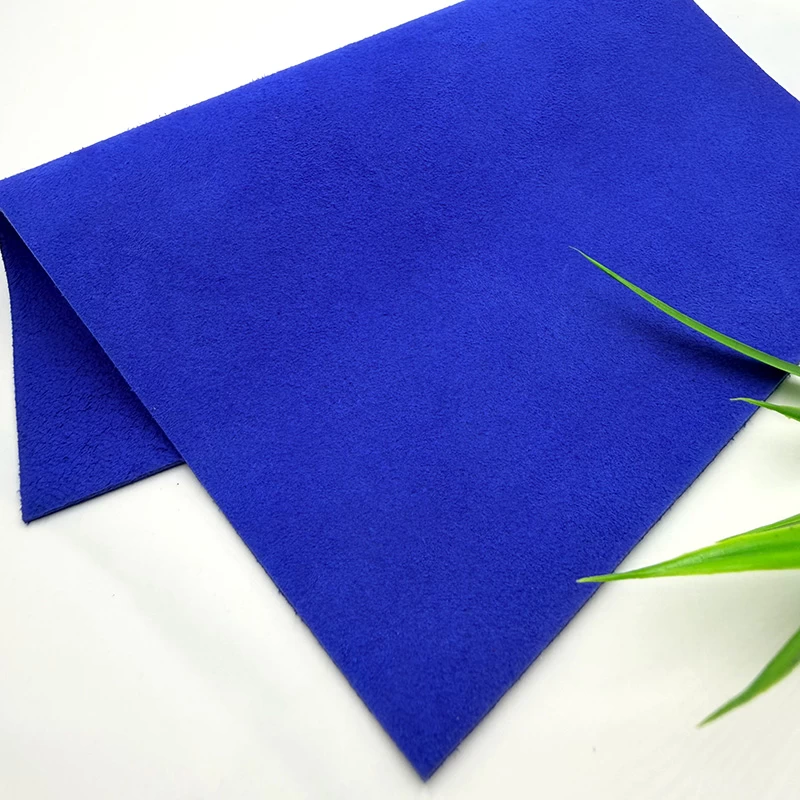
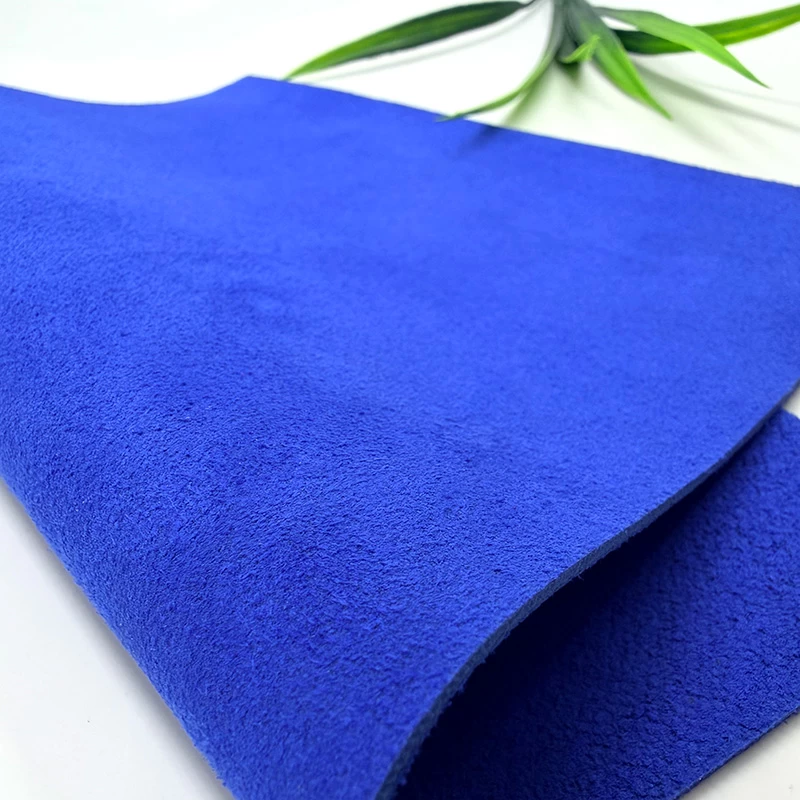
Recycled textiles often exhibit distinct textures and patterns that cannot be replicated with new materials. For instance, denim made from recycled fibers may showcase a unique fade or color variation, giving each garment a one-of-a-kind character. This individuality appeals to consumers looking for authenticity in their clothing choices.
### Embracing Creativity
Designers embracing recycled materials often find themselves pushed to think outside the box, leading to more creative and imaginative collections. The challenge of working with pre-existing materials can inspire innovative design solutions, resulting in striking, avant-garde pieces that stand out on the runway and in everyday wear.
### Versatility in Fashion
Recycled materials can be utilized across various clothing categories, from high-end fashion to casual wear. Brands like Stella McCartney and Eileen Fisher have successfully integrated recycled elements into their luxury lines, proving that sustainability does not have to compromise style. This versatility allows consumers to choose sustainable options without sacrificing aesthetics.
### Trendsetting Eco-Consciousness
There is a growing movement among consumers who prioritize eco-conscious purchasing decisions. By adopting recycled materials, fashion brands can position themselves as leaders in sustainability, appealing to a demographic that values ethical practices. This alignment with consumers’ values can enhance brand loyalty and drive sales.
## Case Studies in Sustainable Fashion
Many brands have already begun to incorporate recycled materials into their collections, setting benchmarks for others to follow. Here are a few notable examples:
### 1. Patagonia
Patagonia is a pioneer in sustainable fashion, consistently using recycled materials in its production process. The brand’s fleece jackets, made from recycled plastic bottles, are not only functional but also serve as a testament to the potential of recycled textiles. Their commitment to transparency and sustainability resonates with environmentally conscious consumers.
### 2. Reformation
Reformation focuses on sustainability without compromising on style. They utilize deadstock fabrics and recycled materials to create trendy, fashionable clothing. Their commitment to reducing their carbon footprint while remaining stylish has garnered a loyal following among millennials and Gen Z consumers.
### 3. Adidas
Adidas has made headlines with its Parley collection, which uses recycled ocean plastic to create high-performance athletic gear. This initiative not only raises awareness about ocean pollution but also demonstrates how recycled materials can meet the demands of sportswear while contributing to environmental conservation.
## Overcoming Challenges in Implementing Recycled Materials
While the benefits of using recycled materials are considerable, several challenges still exist in the fashion industry's transition towards sustainable practices:
1. **Quality Concerns**: Some designers and consumers worry about the quality and durability of recycled materials. However, advancements in technology and processing techniques are continuously improving the quality of recycled textiles.
2. **Supply Chain Complexity**: Sourcing recycled materials can be more complex than traditional materials, which can lead to higher costs. Brands must navigate a more intricate supply chain to ensure they are obtaining high-quality recycled fibers.
3. **Consumer Awareness**: Many consumers remain unaware of the environmental benefits of recycled materials. Brands must invest in education and marketing efforts to inform customers about the advantages of choosing recycled over new.
4. **Market Demand**: There is still a perception that sustainable fashion is niche or limited in style. Brands need to demonstrate that recycled materials can be used to create fashionable, high-quality items to attract a broader audience.
## Conclusion
The integration of recycled materials in fashion is a powerful way to address the environmental challenges posed by the industry while also offering a unique aesthetic appeal. As consumers become increasingly aware of the impacts of their purchasing decisions, the demand for sustainable and stylish clothing will continue to grow.
Fashion brands that embrace recycled materials not only contribute positively to the environment but also position themselves as forward-thinking and innovative leaders in the industry. By merging sustainability with creativity, the fashion world can pave the way for a future where style and environmental responsibility coexist harmoniously.
As consumers, we hold the power to drive this change through our choices. By supporting brands that prioritize recycled materials and sustainable practices, we can collectively shape a more sustainable fashion landscape for generations to come.