# Understanding Non-woven Flocking: What It Is and How It Works
In the textile industry, innovation continuously shapes the way we design, manufacture, and use fabrics. One such innovative technique is non-woven flocking, a process that has garnered attention for its unique applications and aesthetic appeal. This article delves into the nuances of non-woven flocking, exploring what it is, how it works, and its applications across various industries.
## What is Non-woven Flocking?
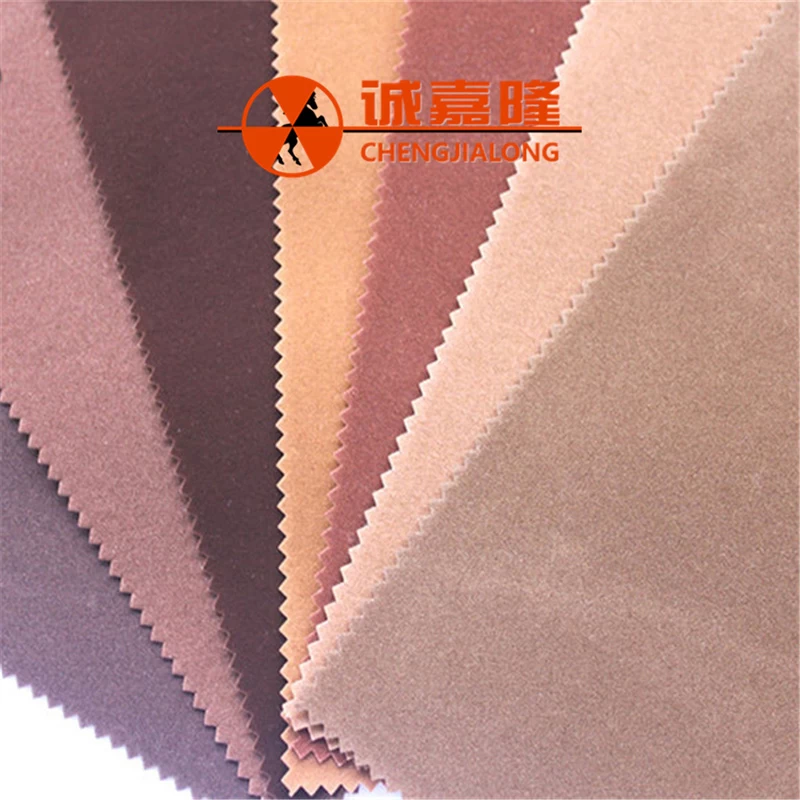
Non-woven flocking is a textile manufacturing process that produces a soft, velvety surface on fabrics without the need for traditional weaving or knitting techniques. Instead of interlacing threads, non-woven fabrics are created by bonding fibers together using mechanical, thermal, or chemical methods. The flocking process involves applying small fiber particles—known as "flock"—to a substrate, typically made from non-woven materials. This results in a plush, textured finish that enhances both the tactile and visual qualities of the fabric.
### Characteristics of Non-woven Flocking
1. **Softness**: One of the primary characteristics of non-woven flocking is its softness, which comes from the fine, short fibers used in the flocking process. This feature makes it particularly appealing for applications where comfort is paramount.
2. **Versatility**: Non-woven flocking can be applied to various substrates, including plastics, paper, and textiles, making it a versatile choice for a range of products, from automotive interiors to fashion accessories.
3. **Aesthetic Appeal**: The velvety texture of flocked surfaces provides a luxurious look and feel, enhancing the overall design of products.
4. **Durability**: Non-woven flocking can be engineered for durability, making it suitable for high-wear applications such as upholstery and automotive interiors.
5. **Customization**: Flocking allows for customization in terms of color, texture, and pattern, enabling designers to create unique products tailored to specific markets.
## How Does Non-woven Flocking Work?
The non-woven flocking process involves several key steps:
### 1. Preparing the Substrate
The first step in non-woven flocking is preparing the substrate. This material serves as the base for the flocking process and can be made from various non-woven materials, such as polyester or polypropylene. The substrate must be clean and free of contaminants to ensure proper adhesion of the flock fibers.
### 2. Applying Adhesive
Once the substrate is prepared, an adhesive is applied to its surface. The type of adhesive used can vary depending on the intended application and desired properties of the final product. Common adhesives include water-based, solvent-based, and hot-melt adhesives. The adhesive serves to bond the flock fibers to the substrate.
### 3. Flocking Process
After the adhesive is applied, the flocking process begins. Fine fibers, typically made from nylon, polyester, or rayon, are electrostatically charged and then sprayed or flocked onto the adhesive-coated substrate. The electrostatic charge causes the fibers to stand upright, creating a dense, plush surface. This step is crucial, as it determines the density and texture of the flocked surface.
### 4. Curing
Once the flock fibers are applied, the adhesive must be cured to secure the fibers in place. This curing process may involve heat application or air drying, depending on the type of adhesive used. Proper curing ensures that the flock remains adhered to the substrate and maintains its durability over time.
### 5. Finishing Touches
After curing, additional finishing touches may be applied to enhance the flocked surface. These can include treatments for stain resistance, water repellency, or antimicrobial properties, depending on the intended use of the flocked material.
## Applications of Non-woven Flocking
Non-woven flocking has found its way into a multitude of industries due to its versatility and aesthetic appeal. Here are some prominent applications:
### 1. Automotive Interiors
One of the most common applications of non-woven flocking is in the automotive industry. Flocked surfaces are frequently used for headliners, door panels, and trim pieces, providing a soft-touch feel while reducing noise levels within the vehicle. The luxurious appearance of flocked materials enhances the overall aesthetic of automotive interiors, making them more appealing to consumers.
### 2. Fashion and Accessories
In the fashion world, non-woven flocking is used to create unique textures and designs in clothing, handbags, and accessories. The soft, velvety finish adds an element of luxury to fashion items, allowing designers to differentiate their products in a competitive market.
### 3. Home Décor
Flocked textiles are also popular in home décor, where they can be found in items like curtains, upholstery, and cushions. The rich texture and variety of colors available through flocking allow homeowners to create stylish and inviting living spaces.
### 4. Packaging
In packaging, non-woven flocking is used to create attractive and protective surfaces for products. Flocked packaging materials provide cushioning for fragile items while enhancing the visual appeal of the packaging itself. This is particularly useful in luxury goods, where presentation plays a significant role in consumer perceptions.
### 5. Craft and Hobby Applications
Non-woven flocking has also gained popularity in craft and hobby applications. Crafters use flocked materials for scrapbooking, card making, and various DIY projects, as the plush surface adds depth and interest to their creations.
## Advantages of Non-woven Flocking
The non-woven flocking process offers several advantages over traditional textile manufacturing methods:
### 1. Reduced Material Waste
Since non-woven fabrics do not require weaving or knitting, material waste is minimized during production. This eco-friendly aspect appeals to manufacturers looking to reduce their environmental impact.
### 2. Cost-Effectiveness
The non-woven flocking process can be more cost-effective than traditional textile manufacturing methods, especially for high-volume production. The speed of the flocking process and reduced labor costs contribute to overall savings.
### 3. Enhanced Functionality
With the ability to apply various finishes and treatments to flocked surfaces, manufacturers can enhance the functionality of their products. This includes attributes like stain resistance, UV protection, and water repellency, making flocked materials suitable for diverse applications.
### 4. Unique Textures
The ability to create unique textures and appearances through non-woven flocking allows designers to push the boundaries of creativity. This versatility enables the development of innovative products that appeal to a wide range of consumers.
## Conclusion
Non-woven flocking represents a fascinating intersection of technology and design within the textile industry. Its unique ability to create soft, luxurious surfaces without the need for traditional weaving techniques makes it a valuable tool for manufacturers and designers alike. As industries continue to explore new ways to enhance product aesthetics and functionality, non-woven flocking will undoubtedly play a pivotal role in shaping the future of textiles. Whether in automotive interiors, fashion, home décor, or packaging, the applications of non-woven flocking are vast and varied, offering endless opportunities for creativity and innovation.