# The Process Behind Dark Green Recycled Bull Nubuck Leather: From Waste to Wonder
In an era where sustainability is not just a trend but a vital necessity, the fashion and upholstery industries are undergoing significant transformations. One of the most remarkable innovations is the development of dark green recycled bull nubuck leather. This luxurious material not only serves as a testament to sustainable practices but also offers unparalleled aesthetics and functionality. In this article, we will delve deeply into the intricate process behind the creation of this unique leather, exploring each stage from waste to wonder.
## Understanding Nubuck Leather
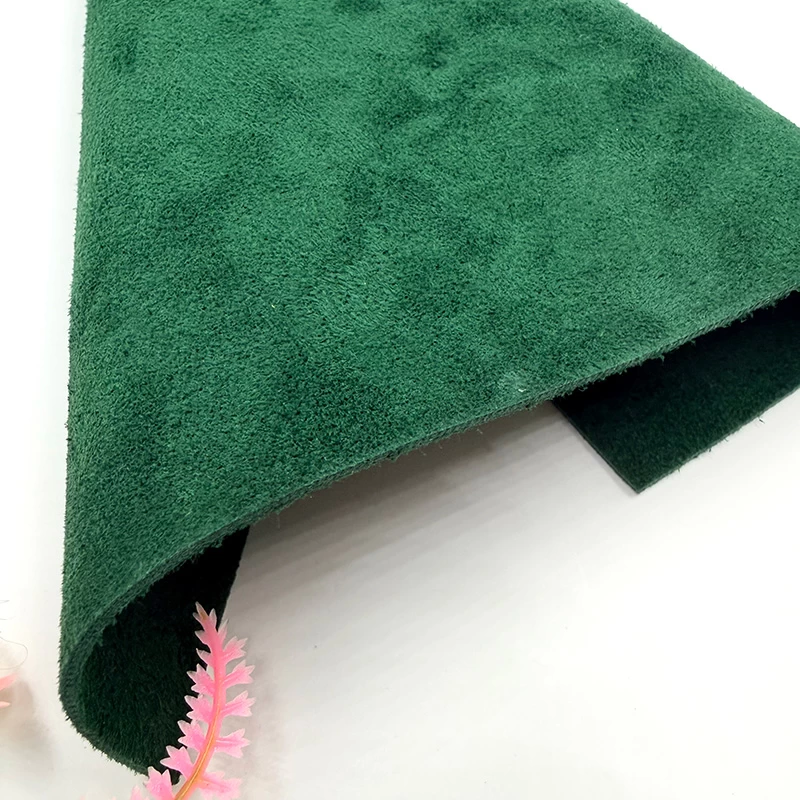
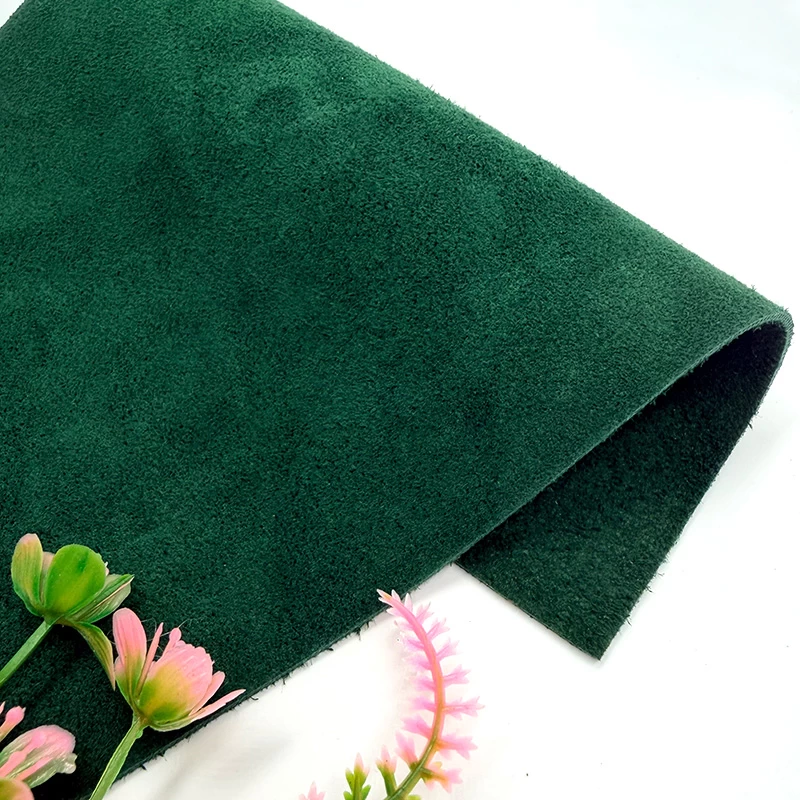
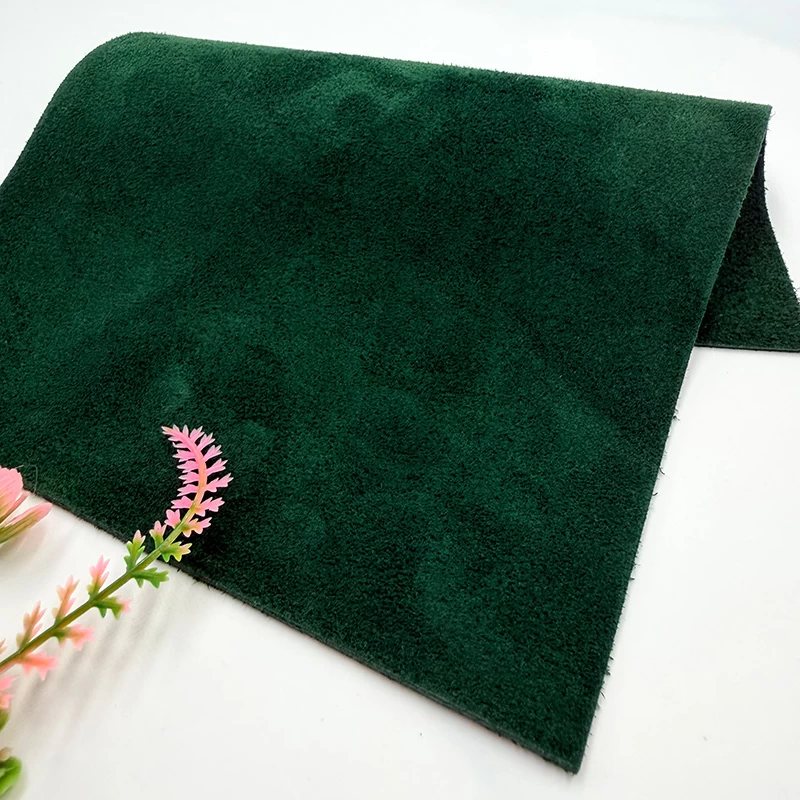
Before diving into the recycling process, it is essential to understand what nubuck leather is. Nubuck is a type of leather that has been buffed on the grain side to create a soft, velvety texture. This results in a durable yet supple material often used in high-end products, from shoes to furniture. Bull leather, derived from mature cattle, is particularly prized for its thickness and resilience.
## The Need for Sustainability
The tanning industry has long been associated with environmental concerns, primarily due to the use of toxic chemicals and the massive amounts of waste generated. As consumers become more eco-conscious, the demand for sustainable alternatives has surged. This has opened up avenues for innovative practices, such as recycling and upcycling materials, which reduce waste and enhance the life cycle of products.
## Step 1: Sourcing Recycled Materials
The journey of creating dark green recycled bull nubuck leather begins with sourcing discarded leather scraps and offcuts from the manufacturing process. These materials are often considered waste, yet they possess untapped potential. By collecting these remnants, manufacturers can significantly reduce their environmental footprint and contribute to a circular economy.
### The Role of Waste Management
Effective waste management practices play a crucial role in this sourcing phase. Establishing partnerships with tanneries and leather goods manufacturers allows for a streamlined collection process. Companies committed to sustainability often implement take-back programs to encourage the return of unused or defective leather items, further increasing the pool of available materials.
## Step 2: Processing the Raw Materials
Once the leather scraps have been gathered, the next step is processing. This involves several critical stages:
### Cleaning and Sorting
The collected leather is meticulously cleaned and sorted based on quality and color. This is vital because different types of leather may require distinct treatments. The goal is to ensure that only high-quality materials make it to the next stages of production.
### Shredding and Grinding
After sorting, the leather is shredded into smaller pieces and ground down into fibers. This transformation is essential for the recycling process, as it allows the material to be reconstituted into new forms. The grinding process also contributes to achieving a uniform texture, ensuring that the final product maintains a consistent appearance.
### Adding a Color Scheme
During the grinding process, manufacturers can incorporate dyes to achieve the desired dark green hue. The choice of color is critical, as it not only defines the aesthetic appeal but also aligns with current trends. Sustainable dyes that do not pose harm to the environment are preferred, reinforcing the commitment to eco-friendly practices.
## Step 3: Reconstituting the Material
With the leather fibers prepared and dyed, the next phase involves reconstituting the material into sheets of nubuck leather. This process typically involves mixing the ground leather with eco-friendly binders and adhesives to create a cohesive mass.
### Box Model and Container Layout
At this stage, understanding the box model is crucial. Manufacturers must consider margin, padding, and box-sizing when designing the final sheets. These factors influence how the material will behave in various applications, whether it be for upholstery or fashion accessories.
## Step 4: Finishing Touches
After the material has been formed into sheets, it undergoes a series of finishing processes to achieve the signature nubuck texture:
### Buffing
The leather sheets are buffed to create a soft, velvety finish. This is a delicate process that requires precision to avoid damaging the material. The result is a luxurious surface that feels pleasant to the touch, making it ideal for high-end products.
### Treatments
To enhance durability and water resistance, the nubuck leather may receive additional treatments. These treatments should be environmentally friendly and non-toxic, aligning with the overall sustainability goals of the project.
## Step 5: Quality Control
Quality control is a vital aspect of the production process. Each batch of dark green recycled bull nubuck leather is rigorously inspected to ensure it meets the established standards. This includes checking for consistency in color, texture, and overall quality.
### Typography and Branding
In branding the product, companies often utilize typography to convey their commitment to sustainability. Fonts like Segoe UI, Roboto, Helvetica, and Arial are popular choices for creating clean, modern designs that resonate with eco-conscious consumers. Line height and font size are carefully considered to ensure readability and aesthetic appeal.
## Step 6: Marketing and Distribution
Once the dark green recycled bull nubuck leather has passed quality control, it is ready for marketing and distribution. Here, effective logo design and header styling are crucial in creating a brand identity that reflects sustainability and luxury.
### Hero Section Layout
On e-commerce platforms, the hero section layout plays a significant role in attracting customers. This area often features stunning visuals of the leather products alongside descriptions that highlight their eco-friendly origins. Flexbox layouts are commonly employed to ensure a responsive design that enhances user experience.
### Image Handling
Images of the finished products must be handled with care. Flexible image handling techniques, including border radius and aspect ratio adjustments, ensure that the visuals convey the quality and elegance of the dark green recycled bull nubuck leather.
## Step 7: Product Launch
Finally, after all the preparation and marketing efforts, the product is launched. A well-structured products grid layout showcases the various applications of the leather, from shoes to bags and furniture. Each product listing features clear descriptions, including information on the sustainable practices involved in its creation.
## Conclusion
The transformation of waste into dark green recycled bull nubuck leather is a multifaceted process that highlights the dedication of manufacturers to sustainability. From sourcing discarded materials to the intricate processes of cleaning, grinding, and reconstituting, each step plays a vital role in creating a product that is not only luxurious but also environmentally responsible.
As consumers increasingly seek sustainable alternatives, innovations like recycled leather are paving the way for a more conscious future in fashion and upholstery. The journey from waste to wonder is a testament to creativity, ingenuity, and the unwavering commitment to protecting our planet. Embracing these practices is essential for the future of our industry and the environment at large.