# The Future of Non-Woven Flocking: Trends and Predictions
The world of textiles is constantly evolving, and one of the most innovative developments in recent years is non-woven flocking. This technique, which involves the application of short fibers to a substrate using adhesives or electrostatic forces, has found applications across various industries including automotive, fashion, healthcare, and interior design. As we look toward the future of non-woven flocking, it is essential to explore emerging trends and make predictions about how this technology will shape the textile landscape.
## Understanding Non-Woven Flocking
Before delving into future trends, it's crucial to understand what non-woven flocking entails. Unlike traditional weaving or knitting methods, non-woven fabrics are made by bonding fibers together mechanically, thermally, or chemically. Flocking adds a layer of texture, aesthetic appeal, and functionality to these materials.
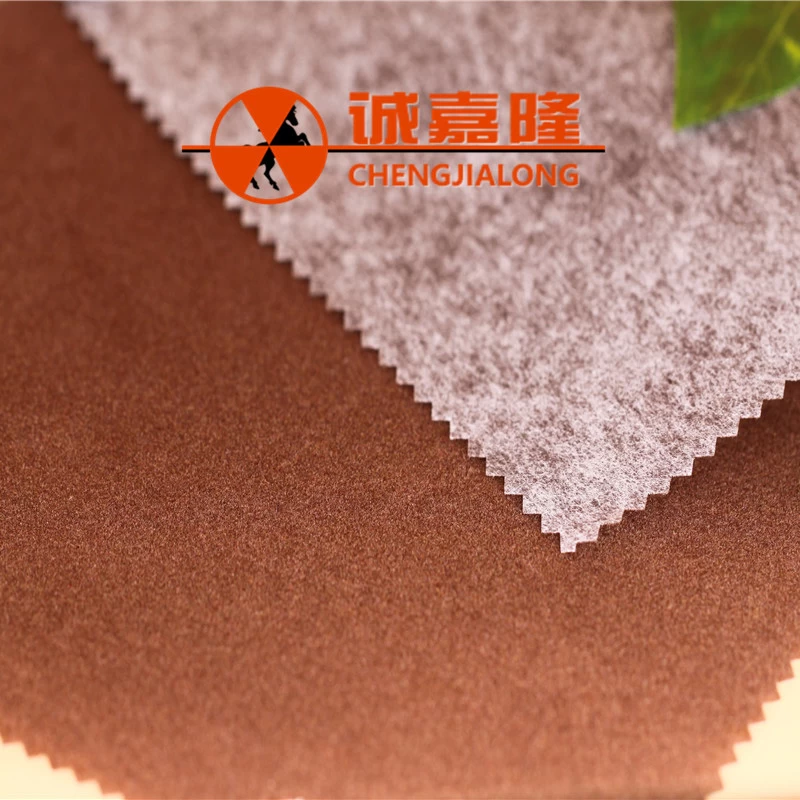
Non-woven flocked fabrics are characterized by their softness, versatility, and durability. They provide unique sensory experiences, which make them particularly appealing for applications in fashion and upholstery. Furthermore, they can be engineered to be water-resistant, flame-retardant, and even antibacterial, opening doors to various practical uses.
## Current Trends in Non-Woven Flocking
### 1. Sustainable Practices
One of the most significant trends shaping the future of non-woven flocking is sustainability. As consumers become increasingly aware of environmental issues, there is a growing demand for eco-friendly materials. This has led to innovations in recycling and the use of biodegradable fibers in the flocking process. Brands that adopt sustainable practices are likely to gain a competitive edge as more consumers gravitate towards environmentally conscious products.
### 2. Customization and Personalization
Another trend gaining traction is the customization of non-woven flocked products. Advances in digital printing technology allow manufacturers to create bespoke designs tailored to individual preferences. This trend aligns with the increasing consumer desire for personalized items, whether in fashion, home decor, or promotional products. Companies offering customizable non-woven flocking solutions are poised to attract a wider audience.
### 3. Enhanced Functionality
The future of non-woven flocking will see a focus on enhanced functionality. As industries seek to improve the performance of their products, flocked materials can be engineered to offer specific attributes such as moisture-wicking, UV resistance, and antimicrobial properties. For example, in the healthcare sector, non-woven flocked fabrics are being developed for use in surgical gowns and masks, providing both comfort and protection.
### 4. Integration of Smart Textiles
The integration of smart textiles into non-woven flocking is another exciting trend. As technology advances, the ability to incorporate sensors and conductive materials into fabrics becomes more feasible. This could lead to the development of flocked materials that monitor health metrics or respond to environmental changes, thus expanding their application in areas like sportswear or personal protective equipment.
### 5. Aesthetic Innovations
Aesthetic preferences are also evolving, with consumers seeking fabrics that not only perform well but also look exceptional. In the realm of non-woven flocking, innovations in color application, texture, and patterning techniques will continue to emerge, giving designers more tools to create visually stunning products. The use of bold colors and intricate patterns will likely dominate the market, appealing to younger audiences who prioritize style alongside functionality.
## Predictions for the Future
### 1. Expansion into New Markets
As the technology behind non-woven flocking continues to evolve, we can expect its application to expand into new markets. Industries such as aerospace and robotics may begin to explore the benefits of flocked materials for lightweight yet durable components. Additionally, sectors like renewable energy may find uses for non-woven flocked fabrics in solar panels and wind turbines, where lightweight and adaptable materials are essential.
### 2. Increased Automation and Efficiency
The future of non-woven flocking will likely see increased automation in production processes. Advancements in robotics and artificial intelligence will enable manufacturers to streamline operations, reduce costs, and enhance precision. With improved efficiency, companies can respond more rapidly to market demands and customize products at scale, ultimately leading to greater customer satisfaction.
### 3. Greater Focus on Health and Safety
The COVID-19 pandemic has heightened awareness of health and safety, and this trend is expected to persist. Non-woven flocked materials, particularly those with antimicrobial properties, will likely become standard in various applications from personal protective equipment to home furnishings. As health-conscious consumers seek products that promote hygiene, companies that prioritize such innovations will thrive.
### 4. Global Supply Chain Resilience
Recent global events have highlighted vulnerabilities in supply chains. As a response, the non-woven flocking industry may shift towards localization and diversification of suppliers to ensure resilience and stability. This might mean an increase in domestic production facilities and partnerships with local suppliers, creating a more robust ecosystem within the textile industry.
### 5. Education and Training Initiatives
As the industry evolves, the need for skilled professionals who understand the intricacies of non-woven flocking will grow. Educational institutions and vocational training programs will likely expand their curricula to cover advanced flocking techniques, sustainable practices, and smart textile integration. By nurturing a knowledgeable workforce, the industry can ensure continued innovation and success.
## Conclusion
The future of non-woven flocking is brimming with potential as trends shift towards sustainability, customization, and enhanced functionality. As technological advancements pave the way for smarter, more adaptive fabrics, the possibilities for non-woven flocked materials will continue to grow. By anticipating these trends and adapting to changing consumer preferences, businesses in the non-woven flocking sector can position themselves for success in an ever-evolving marketplace.
As the industry embraces these changes, we can expect a vibrant future for non-woven flocking that enhances everyday products while pushing the boundaries of textile innovation. Whether through sustainable practices or smart textile integration, non-woven flocking is set to redefine not just the aesthetics of fabric but also its role in our lives.