# The Benefits of Non-woven Flocking in Textile Manufacturing
## Introduction
In the textile manufacturing industry, innovation and efficiency are crucial for meeting the ever-evolving demands of consumers. One such innovation that has garnered attention is non-woven flocking. This versatile technique, which involves applying short fibers to a substrate to create a soft, velvety surface, offers numerous advantages over traditional textile methods. In this article, we will explore the benefits of non-woven flocking in textile manufacturing, examining its applications, economic advantages, environmental sustainability, and future potential.
## What is Non-woven Flocking?
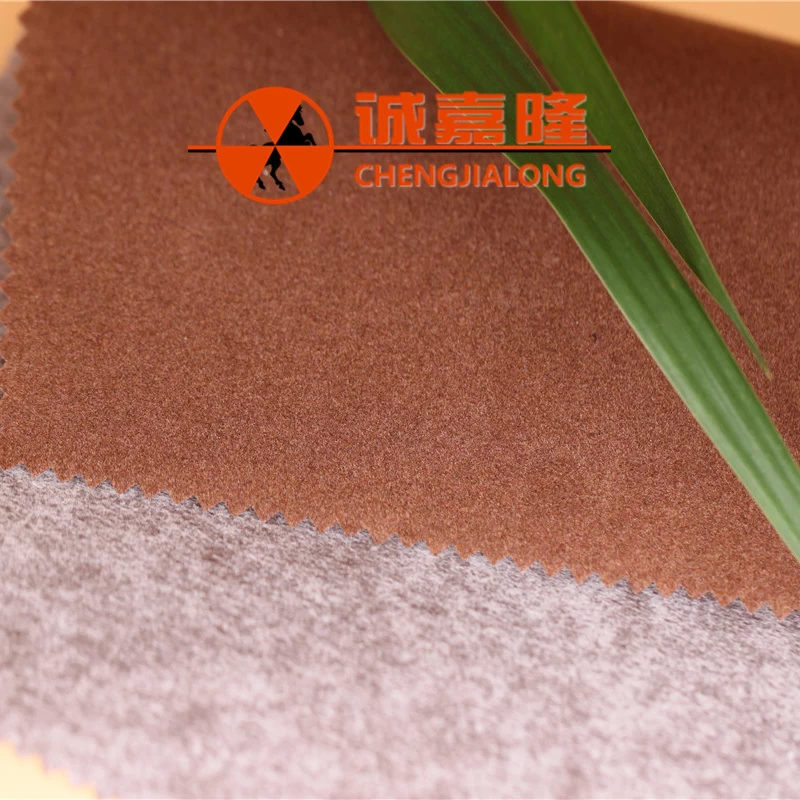
Non-woven flocking is a process that involves bonding small fibers to a non-woven substrate using an adhesive. The result is a fabric with a luxurious feel and unique aesthetic appeal. Unlike woven textiles, which require intricate weaving processes, non-woven fabrics can be produced quickly and efficiently, making them highly desirable for various applications.
### Applications of Non-woven Flocking
The versatility of non-woven flocking allows it to be used in a wide array of industries, including:
1. **Fashion and Apparel**: Non-woven flocked fabrics are increasingly popular in the fashion industry for creating statement pieces, accessories, and even footwear. Their plush texture and vibrant colors can elevate a garment's design, making it stand out in the marketplace.
2. **Automotive Interior**: Flocked fabrics are commonly used in automotive interiors, providing a soft touch for seats, headliners, and door panels. The sound-absorbing properties of flocking also contribute to a quieter cabin environment.
3. **Home Textiles**: From upholstery to curtains, non-woven flocking enhances home textiles by adding depth and luxury to everyday items. The fabric's durability and ease of maintenance make it an attractive choice for homeowners.
4. **Medical Textiles**: In the medical sector, non-woven flocked fabrics are utilized in various applications, including surgical drapes and gowns, where softness and comfort against the skin are paramount.
5. **Industrial Applications**: Flocking is also employed in industrial settings for products like insulation materials, gaskets, and seals, where its properties contribute to improved performance and longevity.
## Economic Advantages of Non-woven Flocking
### Cost-Effective Production
One of the primary benefits of non-woven flocking is its cost-effectiveness. The production process is generally faster than traditional weaving, which reduces labor costs and increases output. Moreover, the ability to produce large quantities of fabric in a shorter timeframe enables manufacturers to respond swiftly to market demand, ultimately improving profitability.
### Material Efficiency
Non-woven flocking utilizes less raw material compared to woven textiles, leading to decreased waste. The direct application of fibers onto a substrate minimizes excess material, allowing manufacturers to maximize their resources and reduce overall costs.
### Versatility and Adaptability
The flexibility of non-woven flocking allows manufacturers to experiment with different fibers, colors, and patterns, catering to diverse customer preferences. This adaptability not only meets consumer demands but also opens up new market opportunities for manufacturers.
## Environmental Sustainability
As sustainability becomes a crucial focus within the textile industry, non-woven flocking presents several eco-friendly advantages.
### Reduced Water Consumption
Traditional textile manufacturing processes often involve extensive water usage during dyeing and finishing. In contrast, non-woven flocking significantly reduces water consumption due to its simplified production techniques. This not only conserves water resources but also minimizes the environmental impact associated with wastewater treatment.
### Lower Energy Consumption
The energy requirements for producing non-woven flocked fabrics are generally lower than those for traditional woven textiles. The reduced need for complex machinery and processes contributes to lower energy consumption, aligning with global efforts to promote sustainable manufacturing practices.
### Biodegradable Options
Many non-woven flocking materials can be made from biodegradable fibers, enhancing their eco-friendliness. As consumers increasingly seek sustainable products, manufacturers can leverage the availability of these materials to cater to environmentally-conscious buyers.
## Design Flexibility and Aesthetic Appeal
One of the standout features of non-woven flocking is its design flexibility. Manufacturers can easily customize color palettes, textures, and patterns to create unique fabrics that resonate with current trends. This flexibility allows brands to differentiate themselves in a competitive market.
### Vibrant Color Options
Non-woven flocking offers a wide range of color possibilities. By employing various dyeing techniques, manufacturers can achieve rich, vibrant colors that captivate consumers. The ability to create custom colors ensures that brands can align their products with their identity and target audience.
### Texture Variety
The tactile experience of non-woven flocked fabrics is unparalleled. The soft, plush surface can evoke feelings of luxury and comfort, making it ideal for products aimed at enhancing user experience. Whether it's a cozy throw blanket or an elegant evening gown, the textural appeal of flocking adds significant value.
## Future Potential of Non-woven Flocking
As the textile industry continues to evolve, non-woven flocking is poised for further growth. Technological advancements are improving the efficiency of flocking processes, allowing manufacturers to explore new applications and markets. Innovations in fiber technology may lead to entirely new products that harness the benefits of non-woven flocking.
### Integration with Smart Textiles
The future of textiles is leaning towards smart fabrics that can interact with their environment. Non-woven flocking can serve as a base for integrating electronic components, such as sensors or conductive materials, creating opportunities for innovative products in healthcare, fashion, and beyond.
### Sustainability Initiatives
With growing consumer awareness about sustainability, manufacturers who adopt non-woven flocking techniques can position themselves as leaders in eco-friendly practices. By investing in biodegradable materials and energy-efficient production methods, businesses can appeal to environmentally conscious consumers and contribute positively to the industry’s sustainability goals.
## Conclusion
Non-woven flocking represents a significant advancement in textile manufacturing, offering numerous benefits that extend beyond aesthetics. Its economic advantages, environmental sustainability, design flexibility, and future potential make it an attractive option for manufacturers looking to innovate and thrive in a competitive market. As the industry continues to evolve, embracing non-woven flocking could be a key strategy for success—one that addresses consumer needs while promoting sustainable practices.
By understanding and leveraging the benefits of non-woven flocking, textile manufacturers can not only enhance their product offerings but also contribute to a more sustainable future in the textile industry.