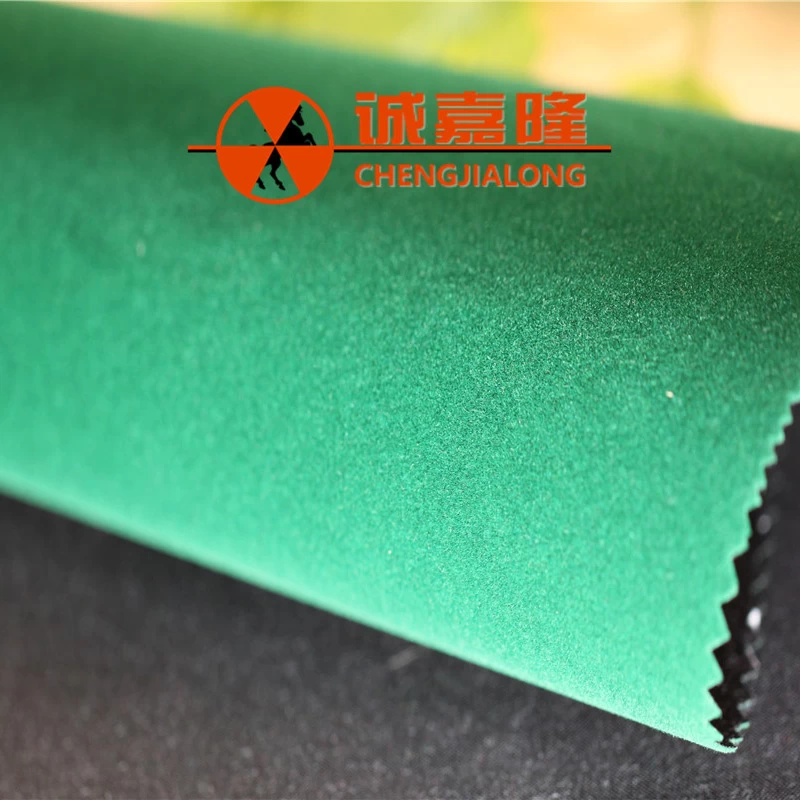
# Non-Woven Flocking vs. Traditional Flocking: A Comparative Study
The textile industry has experienced significant advancements over the years, particularly in terms of material innovation and application techniques. Among these innovations, flocking has emerged as a popular method for enhancing the aesthetic and tactile qualities of fabrics. Flocking involves the application of short fibers to a surface to create a velvety texture. In this article, we will delve into two prominent flocking techniques: traditional flocking and non-woven flocking. We will explore their respective processes, benefits, applications, and limitations, providing a comprehensive understanding of both methods.
## Understanding Flocking
Flocking is a process that involves adhering small, dense fibers—commonly referred to as "flock"—to a substrate or surface. The result is a soft, textured finish that can be applied to various materials, including textiles, paper, plastic, and wood. Flocking is celebrated not only for its aesthetic appeal but also for its functional properties, such as improved grip, sound absorption, and enhanced durability.
### Traditional Flocking
Traditional flocking typically utilizes a two-step process: preparation and application. The preparation phase includes cleaning and treating the surface to improve adhesion. The surface is then coated with an adhesive, and the flock material is applied using an electrostatic method or by mechanical means.
1. **Process**:
- **Preparation**: The substrate is cleaned to remove any impurities and treated to enhance adhesion. This may involve applying a primer or other preparatory layers.
- **Adhesive Application**: A suitable adhesive is applied to the surface, ensuring even coverage.
- **Flock Application**: The flock fibers are applied using an electrostatic charge, which causes the fibers to stand upright and adhere uniformly to the adhesive-covered surface.
2. **Characteristics**:
- **Variety of Materials**: Traditional flocking can be applied to a wide range of substrates, making it versatile for many applications.
- **Thickness and Density**: The thickness and density of the flock layer can be adjusted based on the requirements of the final product.
3. **Applications**:
- Traditional flocking is commonly used in the automotive industry for interior finishes, in furniture upholstery, and for decorative purposes in textiles.
### Non-Woven Flocking
Non-woven flocking, on the other hand, represents a more recent innovation in flocking technology. It combines the techniques of traditional flocking with advancements in non-woven fabric manufacturing. Non-woven flocking uses a base material that is not woven or knitted but instead made from fibers that are bonded together through mechanical, thermal, or chemical processes.
1. **Process**:
- **Base Material Production**: Non-woven fabrics are produced using various methods, such as spunbonding or meltblowing, which create a web of fibers.
- **Flock Application**: Similar to traditional flocking, an adhesive is applied to the non-woven base, followed by the application of flock fibers using an electrostatic method.
2. **Characteristics**:
- **Lightweight**: Non-woven flocking tends to be lighter than traditional flocking due to the reduced weight of the base material.
- **Cost-Effective**: The manufacturing process for non-woven fabrics can be less expensive, making it an attractive option for mass production.
- **Uniformity**: Non-woven flocking can achieve a more uniform distribution of fibers, resulting in a consistent texture across the entire surface.
3. **Applications**:
- Non-woven flocking is increasingly being used in fashion, home décor, and packaging applications, where lightweight and cost-effective materials are advantageous.
## Comparative Analysis
### 1. Material Properties
One of the most significant differences between traditional and non-woven flocking lies in the properties of the base materials used. Traditional flocking relies on various woven or knitted textiles, which can provide durability but may also add weight and complexity to the final product. Non-woven flocking, conversely, utilizes lightweight base materials that can reduce the overall weight of the finished item.
### 2. Production Efficiency
When considering production efficiency, non-woven flocking often has the upper hand. The manufacturing process for non-woven fabrics allows for faster production rates. Additionally, because the base material is produced in large sheets, it can be cut and shaped quickly for various applications. Traditional flocking, while versatile, may require more intricate handling and preparation, potentially leading to longer production times.
### 3. Cost Implications
Cost is a critical factor in the decision-making process for manufacturers. Non-woven flocking generally offers a more cost-effective solution due to lower raw material costs and simplified production processes. Traditional flocking, while offering unique textures and finishes, may carry higher material and labor costs, especially when dealing with specialized textiles.
### 4. Design Flexibility
Both flocking methods offer considerable design flexibility, but they cater to different creative needs. Traditional flocking allows for a wide variety of textures and patterns, lending itself well to custom designs. On the other hand, non-woven flocking provides opportunities for innovative applications in sectors like fashion and home décor, where lightweight and versatile materials are increasingly sought after.
### 5. Environmental Considerations
As sustainability becomes a growing concern in textile manufacturing, the environmental impact of each flocking technique warrants consideration. Traditional flocking often involves synthetic fibers and adhesives, which can raise concerns regarding biodegradability and ecological footprints. Non-woven flocking, while similarly reliant on synthetic materials, can benefit from advances in recycling technology and the use of biodegradable materials in production processes.
## Conclusion
In summary, both traditional flocking and non-woven flocking offer distinct advantages and limitations. Traditional flocking excels in custom design capabilities and versatility across various substrates, while non-woven flocking shines in terms of production efficiency, cost-effectiveness, and lightweight properties.
Manufacturers must weigh these factors carefully when deciding which flocking method best suits their needs. As trends continue to evolve in the textile industry, innovations in both traditional and non-woven flocking techniques will likely pave the way for new applications and creative possibilities. Ultimately, the choice between non-woven and traditional flocking will depend on the specific requirements of the project, including budget, design, and intended use, ensuring that both methods have a vital role to play in the future of textile applications.
By understanding the nuances of these flocking techniques, professionals in the industry can make informed decisions that enhance the quality and appeal of their products, catering to the ever-evolving preferences of consumers.