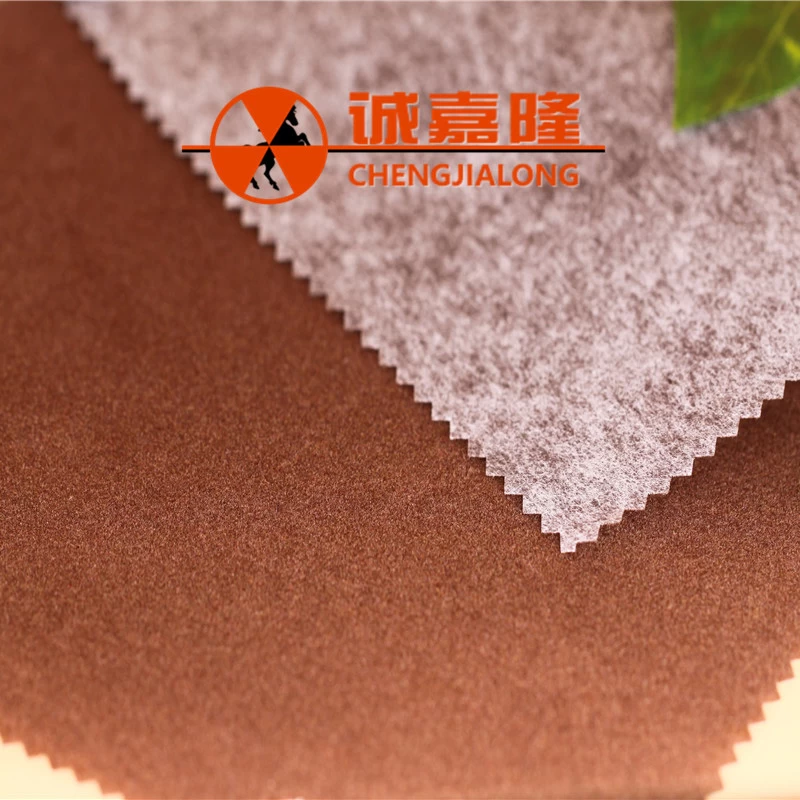
# How Non-woven Flocking is Revolutionizing Interior Design
The world of interior design is an ever-evolving landscape, constantly influenced by new materials, techniques, and technologies. In recent years, non-woven flocking has emerged as a game-changer in this field, offering unique aesthetic and functional advantages that traditional materials simply cannot match. This article delves into the revolutionary impact of non-woven flocking on interior design, exploring its various applications, benefits, and potential for future innovations.
## Understanding Non-woven Flocking
Before we dive into its implications for interior design, it’s essential to understand what non-woven flocking is. Non-woven flocking refers to a process that involves applying small, fiber-like particles onto a base material to create a soft, textured surface. Unlike traditional textiles that are woven or knitted, non-woven fabrics are made through processes that bond fibers together using heat, chemicals, or mechanical means. This method allows for a vast array of textures, colors, and patterns that can be tailored to specific design needs.
### The Process of Flocking
The flocking process typically involves several steps:
1. **Preparation of the Base Material**: The substrate, which could be paper, plastic, or textile, is first prepared to ensure optimal adhesion of the flock fibers.
2. **Application of Adhesive**: An adhesive is applied to the surface of the base material, creating a sticky layer to which the fibers will adhere.
3. **Flocking**: The flock fibers, often made from nylon, polyester, or other synthetic materials, are then applied using an electrostatic process that helps them stand upright and bond with the adhesive.
4. **Curing**: Finally, the flocked surface is cured to ensure durability and longevity.
This innovative process results in a fabric-like feel that mimics the softness of velvet or suede while offering additional benefits such as durability and ease of maintenance.
## Aesthetic Advantages
Non-woven flocking brings a plethora of aesthetic advantages to interior design, making it an increasingly popular choice among designers and homeowners alike.
### 1. Versatile Textures and Patterns
One of the most appealing aspects of non-woven flocking is its ability to produce a wide range of textures and patterns. Designers can choose from smooth finishes to rich, velvety surfaces that add depth and dimension to interiors. This versatility allows for creative expression, enabling designers to craft unique spaces that reflect personal style and preferences.
### 2. Customization
Non-woven flocking provides unparalleled opportunities for customization. Designers can specify everything from the primary color of the flock to the intricacies of the pattern. This level of control means that every aspect of the interior can be tailored to suit the client’s vision, resulting in a cohesive design that feels curated and intentional.
### 3. Color Vibrancy
The application of flock fibers allows for vibrant colors that maintain their intensity over time. Unlike traditional painted surfaces that may fade, non-woven flocking offers hues that remain true, providing long-lasting beauty in any setting. This quality makes it especially desirable for accent walls, feature pieces, and even furniture.
## Functional Benefits
Beyond aesthetic appeal, non-woven flocking boasts several functional advantages that enhance its value in interior design.
### 1. Sound Absorption
One of the standout features of non-woven flocking is its sound-absorbing properties. The dense texture of the flock fibers helps to dampen noise, making it an ideal choice for spaces where acoustics are a concern, such as offices, theaters, or residential areas looking to create a tranquil environment.
### 2. Durability and Maintenance
While beauty is important, functionality cannot be overlooked. Non-woven flocked surfaces are often more durable than traditional textiles, resisting wear and tear better than other materials. Additionally, many flocked surfaces are easy to clean, requiring just a simple wipe-down rather than extensive care that other fabrics demand. This practicality is especially appealing for high-traffic areas.
### 3. Eco-friendly Options
As sustainability becomes a priority in design, non-woven flocking can also cater to eco-conscious consumers. Many manufacturers offer flocking materials made from recycled fibers or biodegradable substances, allowing designers to create beautiful interiors without compromising environmental values.
## Applications in Interior Design
The versatility of non-woven flocking allows for a myriad of applications in interior design, from wall coverings to upholstery.
### 1. Wall Coverings
Flocked wallpaper is experiencing a resurgence in popularity, providing a chic alternative to traditional wall finishes. The textured surface can add warmth and character to a room, transforming bland walls into focal points. Designers are increasingly opting for custom flocked wallpaper to create unique designs that resonate with their clients’ personalities.
### 2. Upholstery
Non-woven flocking is also making waves in the upholstery market. Sofas, armchairs, and cushions adorned with flocked fabrics provide a luxurious touch while being practical for daily use. The soft texture invites relaxation, turning living spaces into cozy retreats.
### 3. Accents and Accessories
Beyond large-scale applications, non-woven flocking can be utilized in smaller decor items, such as lampshades, rugs, and decorative pillows. These accents can easily incorporate the trend into any space without overpowering the existing design.
## The Future of Non-woven Flocking in Interior Design
As technology continues to advance, the future of non-woven flocking in interior design promises even more exciting possibilities. Innovations in materials and processes may lead to new flocking techniques that further enhance the aesthetic and functional qualities of these surfaces. For instance, developments in 3D flocking could allow designers to create multi-dimensional textures, adding an extra layer of intrigue to interiors.
### Integration with Smart Technology
Another avenue for growth lies in the integration of smart technology with non-woven flocking materials. Imagine wall coverings that can change color or pattern at the touch of a button, adapting to different moods or occasions. As the Internet of Things continues to permeate our lives, such innovations could redefine how we interact with our living spaces.
### Sustainability Focus
With increasing awareness of environmental issues, the design industry is likely to see a rise in sustainable practices surrounding non-woven flocking. Innovations that prioritize eco-friendly materials and manufacturing processes will not only appeal to consumers but also lead to a more responsible design ethos.
## Conclusion
In conclusion, non-woven flocking is revolutionizing interior design by combining aesthetic appeal with practical functionality. Its versatility in textures, colors, and applications allows designers to create unique, customized environments that cater to the diverse tastes and needs of their clients. As we look to the future, the potential for innovation in non-woven flocking seems boundless, promising to leave an indelible mark on the world of interior design for years to come. Whether through improved sustainability, technological integration, or advanced customization options, one thing is clear: non-woven flocking is here to stay, reshaping the way we think about and interact with our living spaces.