# Sure! Here are some blog topic ideas for Non-woven Flocking
Non-woven flocking is a fascinating and versatile manufacturing process that has gained traction in various industries, from fashion to automotive and beyond. The techniques involved in non-woven flocking can be intricate, providing unique textures and finishes to products while enhancing their aesthetics and functionality. In this article, we will explore numerous topics surrounding non-woven flocking, showcasing its applications, advantages, and innovative designs that can inspire your next project.
## 1. Understanding Non-woven Flocking: What it is and How it Works
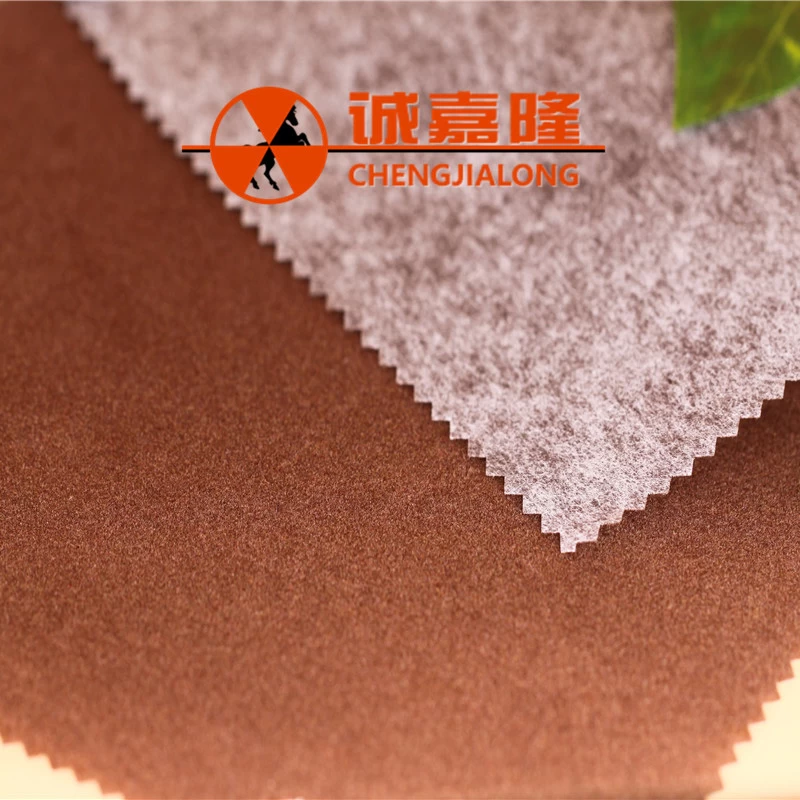
To fully appreciate the potential of non-woven flocking, it’s essential first to understand what it is. Non-woven flocking is a process where small fibers, usually made from synthetic materials, are applied to a substrate using an adhesive. This method creates a soft, velvety texture that can be used in various applications, including upholstery, wall coverings, and even automotive interiors.
The flocking process typically begins with preparing the substrate, which can consist of paper, plastic, or fabric. Next, an adhesive is applied to the surface, followed by the application of the flock fibers through electrostatic means or mechanical processes. Once the fibers are applied, they bond with the adhesive, resulting in a plush and durable finish.
## 2. Applications of Non-woven Flocking in Different Industries
### Fashion and Textiles
In the fashion industry, non-woven flocking is used to create unique textures on garments. Designers utilize flocking to add visual interest, depth, and a tactile quality to fabrics. From statement jackets to elegant evening wear, flocking can elevate a simple design into a luxurious piece.
### Automotive Interiors
The automotive sector also benefits significantly from non-woven flocking. Flocked surfaces are often used in car interiors, such as dashboards and door panels, to provide a soft feel and reduce noise. The technique enhances the overall aesthetics of vehicles, making them more appealing to consumers.
### Home Decor
Home decor applications for non-woven flocking include wallpaper, upholstery, and decorative accessories. Flocked wallpaper, for example, offers a sophisticated look that adds warmth and texture to living spaces. Similarly, upholstered furniture featuring flocked fabric can serve as eye-catching centerpieces in any room.
## 3. Advantages of Using Non-woven Flocking
### Aesthetic Appeal
One of the primary advantages of non-woven flocking is its ability to enhance the aesthetic appeal of products. The soft texture and vibrant colors of flocked surfaces can create a visually striking effect that attracts consumers.
### Durability and Longevity
Flocked surfaces are not just about looks; they also offer durability. The adhesive used in the flocking process ensures that the fibers remain securely attached, providing long-lasting quality that withstands wear and tear.
### Versatility
Non-woven flocking can be applied to a wide range of substrates, making it a versatile option for various industries. Whether it’s textiles, plastics, or paper, flocking can transform ordinary materials into extraordinary products.
## 4. Innovative Designs in Non-woven Flocking
### Custom Patterns and Textures
One exciting aspect of non-woven flocking is the ability to create custom patterns and textures. By varying the length and type of fibers used, manufacturers can achieve different looks and feels. For instance, longer fibers can create a plush, luxurious appearance, while shorter fibers may offer a more structured finish.
### Color Combinations
The use of multiple colors in flocking is another way to innovate. By layering different colored fibers, designers can create stunning gradients or unique patterns that make products stand out. This technique is particularly effective in the fashion and home decor sectors.
### Eco-Friendly Options
With a growing emphasis on sustainability, there’s a rising demand for eco-friendly flocking materials. Manufacturers are now exploring biodegradable or recycled fibers, providing environmentally conscious consumers with attractive options that do not compromise on quality.
## 5. The Process of Non-woven Flocking: A Step-by-Step Guide
Understanding the flocking process is crucial for anyone looking to incorporate it into their production methods. Here’s a detailed breakdown:
### Step 1: Preparation of Substrate
Before flocking can begin, the substrate must be prepared. This includes cleaning the surface to ensure proper adhesion and, if necessary, applying a primer.
### Step 2: Application of Adhesive
Next, an adhesive is applied to the substrate. This step is critical, as the type and amount of adhesive will determine how well the flock fibers adhere to the surface.
### Step 3: Flocking
Once the adhesive is in place, the flocking process begins. Fibers are either sprayed onto the surface or applied using electrostatic methods that ensure an even distribution. This step requires precision to achieve the desired texture and density.
### Step 4: Curing
After the flocking is completed, the product typically undergoes a curing process. This involves allowing the adhesive to set, ensuring that the fibers bond securely to the substrate.
### Step 5: Finishing Touches
Finally, any additional finishing touches are added, such as cutting excess fibers or applying protective coatings to enhance durability.
## 6. Challenges in Non-woven Flocking and How to Overcome Them
While non-woven flocking offers many advantages, it also presents certain challenges. One common issue is achieving uniform fiber distribution. Manufacturers can overcome this by investing in high-quality flocking equipment that ensures even application.
Another challenge is the choice of adhesive, as not all adhesives work equally well with every substrate. Conducting thorough testing before mass production can help identify the best adhesive for the materials used.
## 7. Future Trends in Non-woven Flocking
As technology continues to advance, the future of non-woven flocking looks promising. Innovations in materials and techniques are likely to result in even more applications across various industries. For instance, the integration of smart textiles and wearable technology could open new avenues for flocking, allowing for interactive and functional designs.
Moreover, the increasing emphasis on sustainability will push manufacturers to develop eco-friendly flocking solutions, aligning with consumer demands for environmentally responsible products.
## Conclusion
Non-woven flocking is a dynamic and multifaceted process that holds significant potential across various industries. From enhancing the aesthetics of fashion items to creating luxurious automotive interiors and stylish home decor, the applications are vast and varied. By understanding the advantages, processes, and future trends associated with non-woven flocking, manufacturers and designers can harness its power to create innovative and attractive products that resonate with consumers. As the industry evolves, staying informed about the latest developments will be key to leveraging non-woven flocking's full potential.