# Understanding Non-woven Flocking: What It Is and How It Works
In the world of textiles, non-woven flocking has emerged as a significant innovation, revolutionizing various industries from fashion to automotive interiors. This article aims to delve into the intricacies of non-woven flocking, explaining its definition, processes, applications, and advantages. As we explore this fascinating topic, we will pay special attention to the CSS styles that can enhance your web content about non-woven flocking.
## What is Non-woven Flocking?
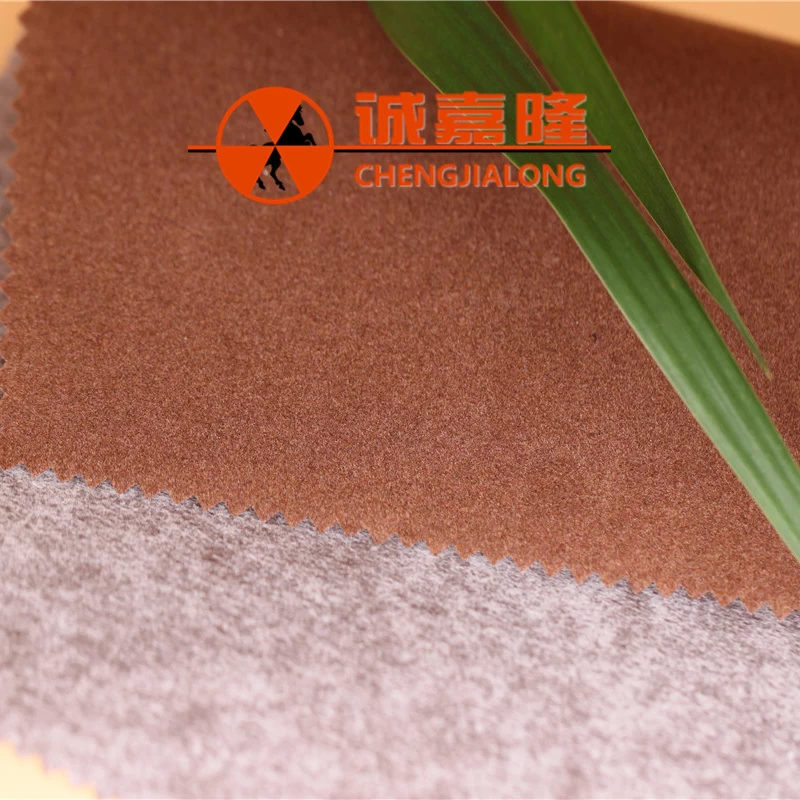
Non-woven flocking refers to the method of applying fine fibers or filaments onto a substrate, which can be either a non-woven fabric or another surface. The process results in a soft, textured finish that offers both aesthetic appeal and functional benefits. Unlike traditional woven fabrics, non-woven materials are produced without interlacing threads, which allows for a wide range of textures and patterns.
The primary fibers used in flocking can include nylon, polyester, or natural fibers, depending on the specific requirements of the application. The flocking process typically involves the use of adhesives and static electricity to adhere the fibers to the desired substrate.
## The Flocking Process
### 1. Preparation of the Substrate
Before flocking can occur, the substrate must be thoroughly prepared. This involves cleaning the surface to ensure optimal adhesion and may also include applying a primer if required. The choice of substrate can vary widely, ranging from paper and cardboard to plastics and textiles.
### 2. Application of Adhesive
The next step is to apply an adhesive to the substrate. This can be done using various methods, including spraying, rolling, or screen printing. The adhesive's properties are crucial, as it must be strong enough to hold the flock fibers while remaining flexible enough to allow for movement.
### 3. Flocking
Once the adhesive is applied, the flocking process begins. Fine fibers are electrostatically charged and then propelled toward the adhesive-coated surface. This step is where the magic happens, as the fibers align themselves vertically, creating a dense, plush texture. The density and height of the flock can be controlled by adjusting various parameters, including fiber length, type, and application technique.
### 4. Curing
After the flocking process, the adhesive needs to cure to ensure a strong bond between the fibers and the substrate. This can be achieved through heat application or allowing the adhesive to set naturally. The curing phase is critical, as it determines the durability and longevity of the flocked surface.
### 5. Finishing Touches
Finally, any excess fibers are removed, and the flocked item may undergo additional treatments such as dyeing or coating to achieve the desired aesthetic or functional properties.
## Applications of Non-woven Flocking
Non-woven flocking has a vast array of applications across various industries:
### 1. Fashion and Textiles
In the fashion industry, flocking is often used to create unique textures on garments and accessories. From luxurious evening wear to casual apparel, flocked fabrics add depth and interest to clothing designs. Additionally, accessories such as handbags, hats, and shoes often incorporate flocking for a tactile feel.
### 2. Automotive Industry
Flocked materials are commonly used in automotive interiors to enhance aesthetics and provide comfort. They are found on dashboard surfaces, door panels, and seat covers. The soft touch and noise-dampening properties of flocked surfaces contribute to an overall improved driving experience.
### 3. Home Décor
Flocking plays a significant role in home décor, with applications ranging from upholstery to wall coverings. Flocked wallpapers are especially popular for creating visual interest in living spaces. The versatility of colors and textures available in flocked materials allows designers to create stunning interior environments.
### 4. Packaging
In the packaging industry, flocking is employed to add luxury and sophistication to gift boxes and product packaging. The soft, velvety appearance of flocked surfaces can elevate the perceived value of products, making them more appealing to consumers.
## Advantages of Non-woven Flocking
The non-woven flocking process provides numerous benefits:
### 1. Customization
One of the standout features of non-woven flocking is its ability to be customized in terms of texture, color, and pattern. This level of customization allows brands to create unique products that stand out in a competitive market.
### 2. Soft Touch and Aesthetic Appeal
Flocked surfaces have a soft, luxurious feel, which enhances the tactile experience of products. This sensory appeal can significantly impact consumer satisfaction and brand loyalty.
### 3. Durability
When properly executed, flocked surfaces can be incredibly durable. The fibers are securely bonded to the substrate, making them resistant to wear and tear. This durability is particularly advantageous in high-traffic areas, such as automotive interiors.
### 4. Eco-friendly Options
With growing environmental concerns, many flocking manufacturers are exploring eco-friendly options. Natural fibers and water-based adhesives are increasingly being used to create sustainable flocked products that minimize ecological footprints.
## Conclusion
Non-woven flocking is a versatile and innovative technique that has transformed various industries. Its ability to create unique textures, combined with its functional benefits, makes it a valuable asset in fashion, automotive applications, home décor, and packaging. As technology advances, we can expect even more exciting developments in this field.
### CSS Styles for Your Flocking Blog
To effectively present the information about non-woven flocking on your website, consider implementing the following CSS styles. These styles will enhance readability and aesthetic appeal, ensuring that your content stands out.
```css
/* Reset Styles */
* {
margin: 0;
padding: 0;
box-sizing: border-box;
}
/* Body Styles */
body {
font-family: 'Arial', sans-serif; /* Use a professional font family */
line-height: 1.6; /* Ensure good readability */
color: #332b22; /* Main text color */
background-color: #fcfbf9; /* Light background for contrast */
}
/* Container Styles */
.container {
max-width: 1200px; /* Set a max width for better readability */
margin: 0 auto; /* Center the container */
padding: 20px; /* Add some padding for breathing room */
border: 1px solid #e5dac7; /* Light border for definition */
background-color: #ffffff; /* White background for the content area */
}
/* Heading Styles */
h1, h2, h3 {
color: #BC7C3E; /* Primary color for headings */
}
/* Paragraph Styles */
p {
color: #665b50; /* Light text color for paragraphs */
}
/* Link Styles */
a {
color: #BC7C3E; /* Primary color for links */
text-decoration: none; /* Remove underline for cleaner look */
}
a:hover {
text-decoration: underline; /* Underline on hover for accessibility */
}
```
Incorporating these CSS styles will not only enhance the visual appeal of your blog but also improve user experience by making the content easy to read and navigate. By understanding non-woven flocking and presenting it effectively, you can engage your audience and educate them about this fascinating textile innovation.