# Understanding Non-Woven Flocking: Techniques and Benefits
In the realm of textiles, non-woven flocking has emerged as a groundbreaking technique that has transformed various industries, including fashion, automotive, home decor, and packaging. This article aims to delve deep into the nuances of non-woven flocking, exploring its techniques and benefits while also highlighting how it can be effectively integrated into design processes.
## What is Non-Woven Flocking?
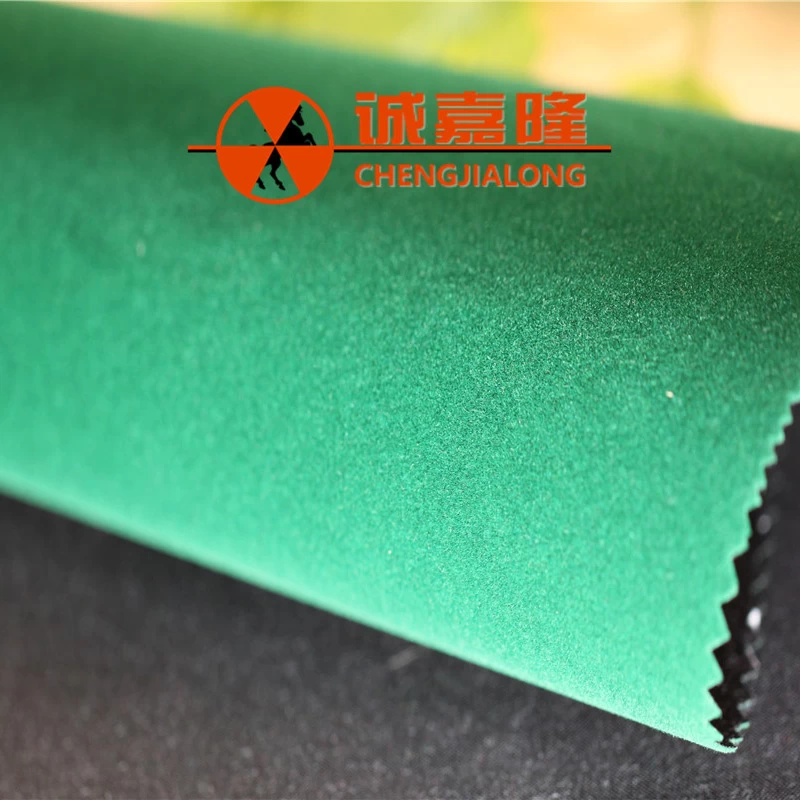
Non-woven flocking involves the application of short fibers onto a substrate, creating a velvety texture that enhances both aesthetics and functionality. Unlike traditional woven fabrics, non-woven materials are bonded together through various methods, including mechanical, thermal, or chemical processes. Flocking can be applied to a myriad of surfaces, giving them a soft, appealing finish that is not only visually attractive but also tactilely pleasing.
### Key Techniques in Non-Woven Flocking
The non-woven flocking process consists of several stages, each crucial to achieving the desired outcome. Here are the primary techniques involved:
1. **Preparation of Substrate**:
The first step involves preparing the base material, which could be paper, plastic, or fabric. The choice of substrate significantly impacts the final product's look and feel. Ensuring the surface is clean and free of contaminants is essential for optimal adhesion during the flocking process.
2. **Application of Adhesive**:
An adhesive is applied to the substrate to ensure the flock fibers bond securely. Various adhesives can be used depending on the substrate material. For example, water-based adhesives are commonly used for textile applications, while solvent-based adhesives may be preferred for more durable surfaces.
3. **Flocking Process**:
After the adhesive is applied, the flock fibers are introduced. This can be achieved through several methods:
- **Electrostatic Flocking**: In this method, the flock fibers are charged electrostatically, causing them to stand upright when they fall onto the adhesive-coated surface. This technique ensures an even distribution of fibers, enhancing the overall texture and appearance.
- **Mechanical Flocking**: Here, the fibers are applied through mechanical means, such as using a flocking machine that sprays or pushes the fibers onto the substrate. While this method may result in a less uniform finish than electrostatic flocking, it is often more cost-effective for large-scale applications.
4. **Curing**:
Once the fibers are applied, the substrate needs to cure to ensure the fibers adhere properly. This curing process can involve heat or air drying, depending on the type of adhesive used.
5. **Finishing Touches**:
After curing, additional treatments can be applied to enhance properties such as color fastness, durability, and resistance to water or stains. These finishing processes help extend the life and maintain the aesthetic appeal of the flocked product.
## Benefits of Non-Woven Flocking
The advantages of adopting non-woven flocking techniques are numerous, impacting both manufacturers and consumers alike:
### 1. Aesthetic Appeal
Flocking provides a unique look and feel that is hard to replicate with traditional materials. The soft, luxurious surface can elevate the perceived value of products, making them more desirable to consumers. In industries such as fashion and home decor, where visual appeal is paramount, flocked surfaces stand out significantly.
### 2. Versatility
One of the most compelling advantages of non-woven flocking is its versatility. It can be applied across various substrates and industries, from automotive interiors to packaging materials. This adaptability makes it an attractive option for manufacturers looking to innovate and differentiate their products.
### 3. Enhanced Functionality
Flocked surfaces offer several functional benefits. They can provide sound insulation in automotive applications, reduce glare in certain lighting conditions, and offer a non-slip surface for items like mats and carpets. These added functionalities increase the usability of products without compromising on style.
### 4. Cost-Effectiveness
While the initial investment in flocking technology might seem steep, the long-term savings can be significant. Non-woven flocking can reduce material waste, improve production efficiency, and lower shipping costs due to lighter-weight products. Furthermore, the durability of flocked surfaces can lead to fewer replacements, saving money over time.
### 5. Eco-Friendly Options
As sustainability becomes increasingly important, many flocking processes have adapted to meet eco-friendly standards. Water-based adhesives and biodegradable flock fibers are now available, allowing manufacturers to produce environmentally friendly products without sacrificing quality or performance.
## Application of Flocking in Various Industries
### Fashion and Textiles
In the fashion industry, flocking is used to create intricate designs on garments and accessories. The soft texture adds a unique dimension to clothing items, making them stand out on the racks. Designers can play with different colors and patterns to create bespoke pieces that resonate with consumers’ tastes.
### Automotive
The automotive sector employs flocking extensively for interior finishes. Flocked materials can be found in dashboards, seats, and door panels, providing a plush appearance while enhancing comfort. Additionally, flocking helps reduce road noise, contributing to a quieter cabin environment.
### Home Decor
In home decor, flocked wallpapers and upholstery can transform spaces, adding luxury and warmth. The tactile nature of flocked surfaces invites touch, making environments feel cozy and inviting. From curtains to cushions, flocking offers endless possibilities for personalization and style.
### Packaging
Flocking also plays a role in packaging, particularly for luxury goods. Flocked boxes and inserts not only protect delicate items but also enhance the unboxing experience, making it memorable for consumers. Brands that invest in high-quality packaging often find it translates to customer loyalty and repeat purchases.
## Integrating Flocking into Design Processes
When considering non-woven flocking for your products, it’s essential to integrate it thoughtfully into your design process. Here are some key considerations:
1. **Material Selection**:
Choose the right substrate based on your product requirements and target market. Consider how the flocking will affect the overall functionality and aesthetics of the item.
2. **Design Planning**:
Collaborate with designers to create visually appealing layouts that utilize flocking effectively. Pay attention to color combinations and textures that will complement your brand identity.
3. **Prototyping**:
Before full-scale production, create prototypes to test the flocking process. This allows you to identify any potential challenges and make necessary adjustments.
4. **Quality Control**:
Implement quality control measures throughout the production process to ensure that the flocking meets industry standards and consumer expectations.
5. **Feedback Loop**:
Gather feedback from customers to understand how the flocked products are received in the market. Use this data to refine future designs and improve overall quality.
## Conclusion
Non-woven flocking is a versatile and innovative technique that offers numerous benefits across various industries. By enhancing aesthetic appeal, functionality, and sustainability, flocking has proven to be a valuable addition to modern manufacturing processes. As consumer preferences continue to evolve, embracing non-woven flocking can provide businesses with a competitive edge, driving both creativity and profitability in the ever-changing marketplace.
As you consider integrating non-woven flocking into your products, remember that careful planning and execution are key to reaping its full benefits. With a keen understanding of the techniques and advantages of flocking, you can elevate your product offerings and captivate your audience with truly unique and luxurious items.