# The Benefits of Non-woven Flocking in Textile Applications
In recent years, the textile industry has seen significant advancements in both technology and design. Among these innovations, non-woven flocking has emerged as a prominent technique that offers numerous benefits for various applications. Non-woven flocking is a process that involves applying small fiber particles to a substrate, resulting in a soft, velvety texture. This technique finds extensive use in fashion, upholstery, automotive interiors, and various other textile applications. In this article, we will explore the numerous advantages of non-woven flocking and its impact on the textile industry.
## Understanding Non-woven Flocking
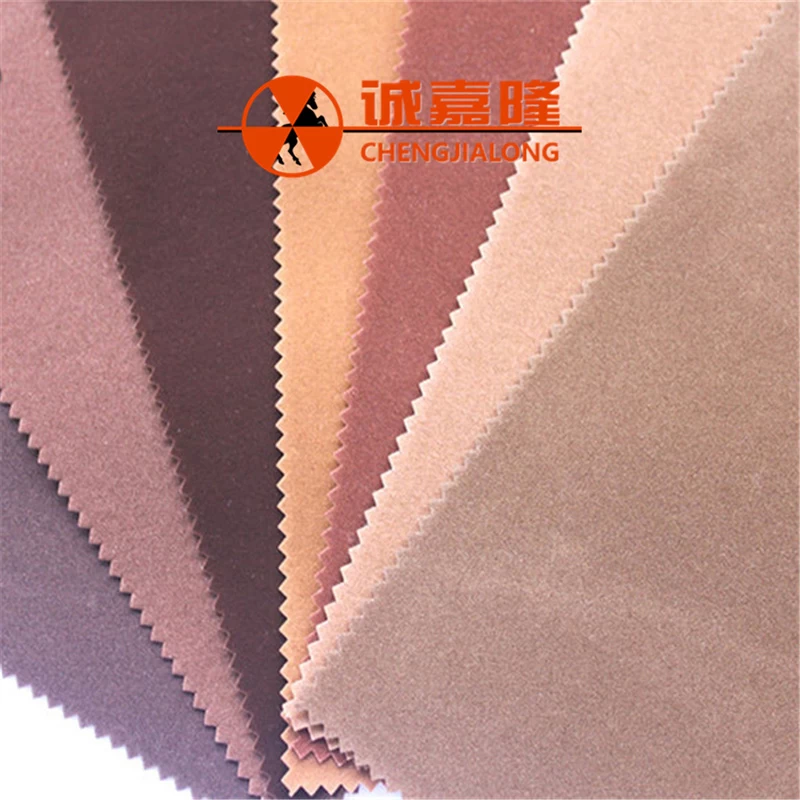
Before delving into its benefits, it is essential to understand what non-woven flocking entails. The process begins with a substrate, often made from materials such as textiles or plastics. The flocking process involves applying adhesive to the substrate, followed by electrostatically charging small fibers (flock) and allowing them to adhere to the adhesive surface. The result is a plush, textured finish that can mimic the look and feel of various materials, including suede, velvet, and even natural fibers.
### Applications in the Textile Industry
Non-woven flocking finds its way into multiple sectors within the textile industry. Its versatility allows it to be used in:
1. **Fashion and Apparel**: Designers utilize flocking to create unique textures and patterns on garments, enhancing their aesthetic appeal.
2. **Upholstery**: Flocked fabrics are popular choices for furniture upholstery due to their luxurious feel and durability.
3. **Automotive Interiors**: The automotive industry employs flocked materials for dashboard covers, door panels, and seat upholstery, providing comfort and noise reduction.
4. **Home Textiles**: Curtains, cushions, and bedding often feature flocked designs, adding sophistication and warmth to interior spaces.
5. **Crafts and DIY Projects**: Hobbyists and crafters use flocking to embellish various items, from cards to home décor.
## Key Benefits of Non-woven Flocking
### 1. **Enhanced Aesthetic Appeal**
One of the most significant advantages of non-woven flocking is its ability to enhance the visual appeal of textiles. The plush texture created by the flocking process adds depth and richness to the material, making it more attractive to consumers. The versatility of flocking allows for endless design possibilities, enabling manufacturers to produce unique patterns and colors that cater to diverse tastes.
### 2. **Soft Touch and Comfort**
The tactile quality of flocked fabrics is another reason for their popularity. The fine fibers create a soft, velvety surface that feels pleasant against the skin. This characteristic is particularly beneficial in applications like clothing and upholstery, where comfort is paramount. Consumers are increasingly drawn to products that not only look good but also offer a luxurious feel.
### 3. **Durability and Longevity**
Non-woven flocking provides added durability to textiles. The fibers are securely bonded to the substrate, preventing premature wear and tear. This robustness makes flocked materials ideal for high-traffic areas, such as automotive interiors or commercial upholstery. Additionally, the resistance to fading and staining enhances the longevity of the product, ensuring that it maintains its appearance over time.
### 4. **Versatile Design Options**
Flocking offers a wide range of design options, allowing manufacturers to create intricate patterns and textures. This flexibility supports creativity and innovation within the textile industry. Designers can experiment with different color schemes, typography, and layouts, leading to unique product offerings that stand out in the market. Whether it's a bold graphic or a subtle texture, flocking enables the realization of complex design visions.
### 5. **Eco-friendly Solutions**
As sustainability becomes a more pressing concern in the textile industry, non-woven flocking also presents eco-friendly opportunities. Many flocking materials are made from recycled fibers or sustainable sources, reducing the environmental impact of production. Moreover, the durability of flocked textiles means they need to be replaced less frequently, further contributing to sustainability efforts.
### 6. **Easy Maintenance**
Another benefit of flocked textiles is their ease of maintenance. While some fabrics require special care, many flocked materials can be cleaned with simple methods. The dense fibers tend to repel dust and dirt, making them suitable for various applications, including home textiles and automotive interiors. This low-maintenance aspect appeals to consumers who prioritize convenience without sacrificing quality.
### 7. **Improved Insulation Properties**
Flocked materials can also provide better insulation properties compared to traditional textiles. The structure of the flocked fibers creates air pockets, which can help regulate temperature and provide warmth. This characteristic makes flocking an attractive option for winter clothing and home textiles, offering consumers additional comfort during colder months.
### 8. **Sound Absorption Qualities**
In addition to thermal insulation, flocked textiles exhibit sound absorption properties. The dense fibers can help reduce noise levels, making them ideal for applications in automotive interiors, office spaces, and residential settings. This feature enhances the overall experience of using flocked materials, contributing to a more serene environment.
### 9. **Seamless Integration with Other Materials**
Non-woven flocking can be easily integrated with various materials, including plastics, foams, and metals. This compatibility allows manufacturers to combine flocked textiles with different substrates, enhancing the functionality and aesthetics of products. For instance, flocked surfaces can be used in conjunction with rigid materials to create dynamic designs for furniture or automotive components.
### 10. **Cost-Effective Production**
Despite the high-end appearance and feel of flocked textiles, the production process can be cost-effective. The ability to apply flock to a wide range of substrates means that manufacturers can use existing materials and equipment, reducing the need for extensive investment. As a result, brands can offer premium-looking products at competitive prices, appealing to a broader audience.
## Conclusion
The benefits of non-woven flocking in textile applications are manifold, ranging from enhanced aesthetic appeal to improved insulation properties. As the textile industry continues to evolve, flocking remains a valuable technique that empowers designers and manufacturers to push the boundaries of creativity while addressing consumer demands for comfort, durability, and sustainability.
With its ability to create unique textures and patterns, non-woven flocking has solidified its place in various sectors, including fashion, upholstery, and automotive interiors. As we forge ahead into a future that values innovation and eco-conscious practices, the significance of flocking in textile applications will only continue to grow.
As businesses and consumers alike embrace the advantages of flocked textiles, it becomes evident that this technique is not merely a trend but a staple in the quest for quality, style, and functionality in the ever-evolving world of textiles.