# Sustainable Practices in Non-woven Flocking: Eco-friendly Innovations
In an era where environmental consciousness is paramount, industries are continuously seeking ways to adopt sustainable practices that not only reduce their carbon footprint but also offer eco-friendly product alternatives. One such area witnessing significant innovation is non-woven flocking—a process used in various applications from textiles to automotive interiors. This article delves into the sustainable practices within the non-woven flocking industry, highlighting eco-friendly innovations that contribute to a greener future.
## Understanding Non-woven Flocking
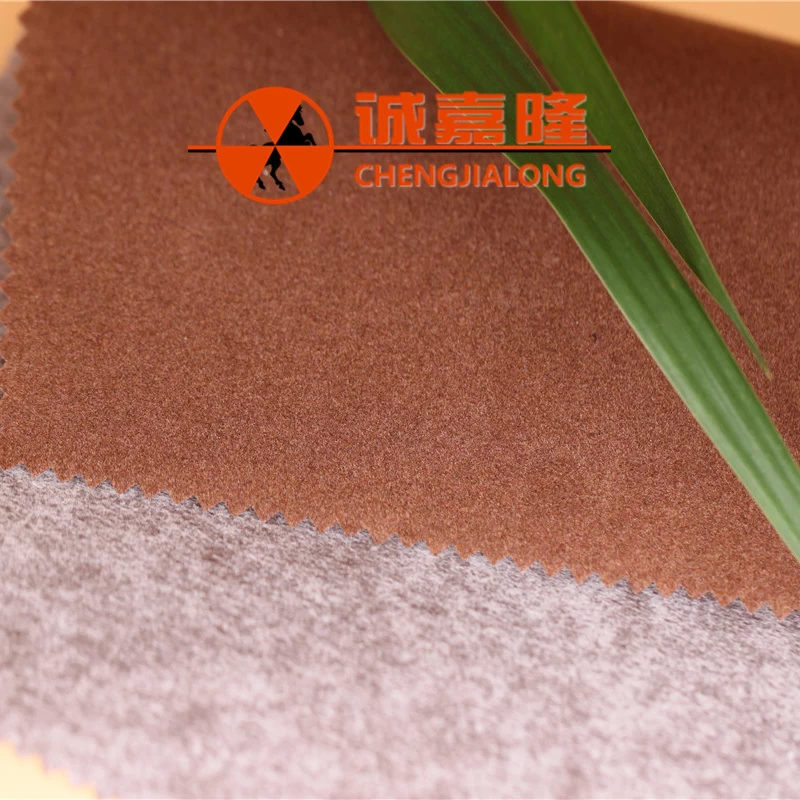
Non-woven flocking involves applying short fiber particles (flock) onto a substrate using adhesive, creating a velvety texture. Commonly found in upholstery, packaging, and automotive components, this technique provides an aesthetic appeal and functional properties such as sound insulation and anti-slip surfaces. However, traditional flocking methods often rely on synthetic materials and harmful chemicals, prompting the need for sustainable alternatives.
## The Shift Towards Sustainability
### 1. Eco-friendly Materials
One of the primary aspects of sustainable non-woven flocking is the use of eco-friendly materials. Many companies are now sourcing fibers from recycled plastics, organic cotton, and other biodegradable materials. By utilizing post-consumer waste, manufacturers significantly reduce the need for virgin resources, thus conserving energy and minimizing landfill contributions.
#### Recycled Polyester
Recycled polyester (rPET) has emerged as a popular choice in the non-woven flocking industry. Produced from plastic bottles and other post-consumer plastics, rPET conserves resources and reduces greenhouse gas emissions compared to virgin polyester production. Its durability makes it an ideal candidate for various applications, ensuring longevity while supporting sustainability.
#### Organic Fibers
Organic cotton and other plant-based fibers have gained traction as sustainable flocking materials. Unlike conventional cotton, which often requires extensive pesticide use and water consumption, organic cotton is grown without harmful chemicals, making it a more environmentally friendly option. Additionally, plant-based fibers are biodegradable, further enhancing their sustainability credentials.
### 2. Water-Based Adhesives
Traditional flocking processes often utilize solvent-based adhesives, which emit volatile organic compounds (VOCs) harmful to both human health and the environment. The shift towards water-based adhesives represents a significant advancement in sustainable practices. These adhesives are less toxic, easier to apply, and have a lower environmental impact.
Water-based adhesives also offer excellent adhesion properties, ensuring that the flock remains securely attached to the substrate. Companies are increasingly adopting these innovative solutions to create safer working environments while promoting eco-friendliness throughout the production process.
### 3. Energy-Efficient Manufacturing Processes
The manufacturing process for non-woven flocking can be energy-intensive. However, advancements in technology have enabled more energy-efficient practices. Manufacturers are investing in machinery designed to minimize energy consumption while maximizing output. Techniques such as heat recovery systems, which recycle excess heat generated during production, have become increasingly common.
Additionally, the integration of renewable energy sources, such as solar or wind power, into manufacturing plants contributes to a cleaner energy footprint. By prioritizing energy efficiency and sustainability in the production process, companies can significantly reduce their overall environmental impact.
### 4. Waste Reduction and Management
Sustainable practices in non-woven flocking also encompass waste reduction strategies. Manufacturers are implementing closed-loop systems that recycle waste materials generated during production. For instance, excess flock can be collected and reprocessed, reducing the amount of material sent to landfills.
Moreover, companies are increasingly adopting lean manufacturing principles, which focus on minimizing waste in all forms—whether it be materials, time, or labor. This approach not only enhances efficiency but also supports sustainability efforts by ensuring that resources are utilized optimally.
### 5. Lifecycle Assessment and Transparency
A crucial aspect of sustainability is understanding the lifecycle of products. Many companies in the non-woven flocking industry are conducting lifecycle assessments (LCAs) to evaluate the environmental impact of their products from raw material extraction to disposal. This comprehensive analysis allows manufacturers to identify areas for improvement and promote transparency in their operations.
By communicating the sustainability credentials of their products to consumers, companies foster trust and encourage eco-conscious purchasing decisions. This transparency is vital in a market increasingly driven by consumer demand for sustainable options.
### 6. Collaboration and Industry Standards
Collaboration is essential in promoting sustainable practices across the non-woven flocking industry. Organizations are forming partnerships with environmental groups, universities, and research institutions to develop new technologies and practices that enhance sustainability.
Additionally, the establishment of industry standards for sustainable flocking practices helps ensure that manufacturers adhere to eco-friendly guidelines. These standards provide a benchmark for assessing the sustainability of products and encourage continuous improvement across the sector.
## Challenges and Opportunities
While the movement towards sustainable practices in non-woven flocking presents numerous opportunities, challenges remain. The initial investment in eco-friendly materials and technologies can be significant, deterring some companies from making the transition. Additionally, consumer awareness and demand for sustainable products can vary, influencing the pace of change within the industry.
However, the growing emphasis on sustainability in global markets, coupled with regulatory pressures, is driving many companies to embrace eco-friendly innovations. As consumers increasingly prioritize sustainability in their purchasing decisions, businesses that adopt these practices stand to gain a competitive edge.
## Conclusion
Sustainable practices in non-woven flocking are not just a trend but a necessary evolution in response to environmental challenges. By embracing eco-friendly materials, water-based adhesives, energy-efficient processes, and waste reduction strategies, the industry is making strides towards a more sustainable future. As manufacturers continue to innovate and collaborate, the potential for positive change is immense.
Ultimately, the shift towards sustainability in non-woven flocking exemplifies a broader commitment to environmental stewardship across industries. By prioritizing eco-friendly practices, companies can contribute to a healthier planet while meeting the evolving demands of conscious consumers. The future of non-woven flocking lies in its ability to harmonize innovation with sustainability, paving the way for a greener tomorrow.