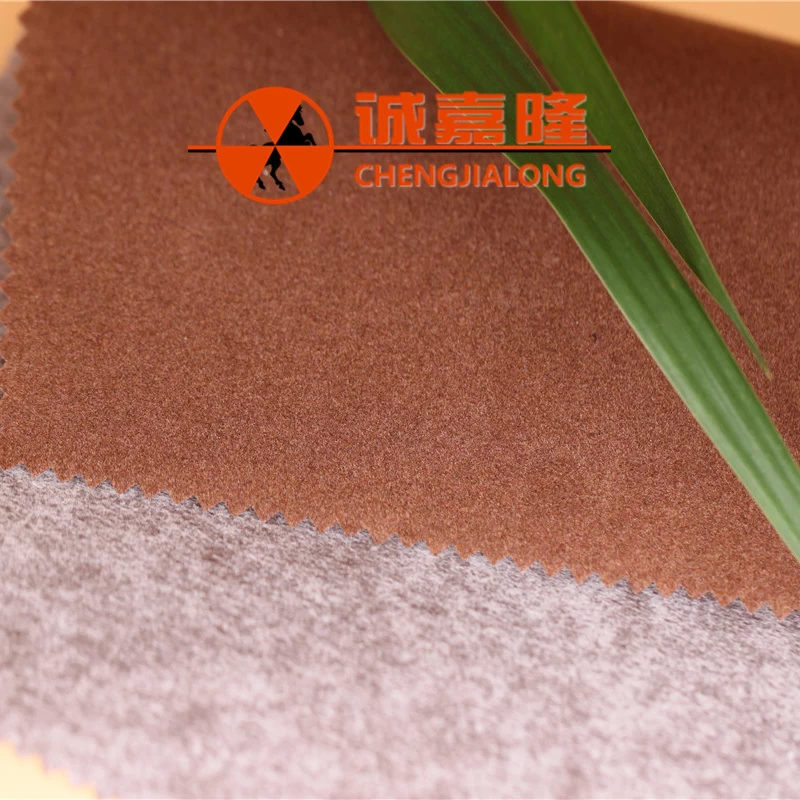
# How Non-woven Flocking is Revolutionizing Fashion and Home Décor
In the ever-evolving world of fashion and home décor, innovation is key to staying relevant and appealing to consumers. One such innovation that has gained significant traction is non-woven flocking. This technique not only enhances the aesthetic appeal of various products but also offers practical applications that are transforming the industry. As we delve into the intricacies of non-woven flocking, we will explore its applications, benefits, and how it is reshaping the landscape of fashion and home décor.
## Understanding Non-woven Flocking
### What is Non-woven Flocking?
Non-woven flocking is a process that involves applying small fibers onto a substrate to create a velvety texture. Unlike traditional textiles, non-woven materials do not require weaving or knitting. Instead, they are made from fibers that are bonded together through mechanical, thermal, or chemical processes. The flocking process involves adhering tiny fibers—often made from nylon, polyester, or rayon—onto a surface, resulting in a soft and luxurious finish.
### The Process of Flocking
The flocking process involves several steps:
1. **Preparation of the Surface**: The substrate, which can be made from various materials (e.g., paper, plastic, fabric), is cleaned and treated to ensure proper adhesion of the flock fibers.
2. **Application of Adhesive**: A specialized adhesive is applied to the surface, allowing the flock fibers to stick effectively.
3. **Flocking**: The fibers are then applied using an electrostatic method, where they are charged to stand upright and adhere to the adhesive-coated surface. This creates a uniform layer of fibers.
4. **Curing**: Finally, the product is cured to strengthen the bond between the fibers and the substrate, ensuring durability.
## Applications in Fashion
### Clothing and Accessories
Non-woven flocking is making waves in the fashion industry, particularly in clothing and accessories. Fashion designers are increasingly utilizing this technique to add texture and depth to their creations. The soft, plush feel of flocked fabrics provides a unique tactile experience, making garments more appealing to consumers.
For instance, flocked prints on dresses, jackets, and accessories can create striking visual effects, enhancing the overall design. Additionally, the versatility of non-woven flocking means that it can be applied to a wide variety of materials, including leather, denim, and synthetics, allowing designers to experiment with different textures and finishes.
### Footwear
Footwear is another area where non-woven flocking is gaining traction. Brands are using flocked materials to create stylish and comfortable shoes that stand out in a crowded market. The velvety texture not only adds a luxurious touch but also serves functional purposes, such as improving grip and comfort.
### Sustainable Practices
As the fashion industry grapples with sustainability challenges, non-woven flocking offers eco-friendly solutions. Many flocked materials are made from recycled fibers, reducing waste and promoting a circular economy. This aligns with the growing consumer demand for sustainable products, making non-woven flocking an attractive option for environmentally conscious brands.
## Applications in Home Décor
### Upholstery
In home décor, non-woven flocking is revolutionizing upholstery. Sofas, chairs, and cushions adorned with flocked fabrics offer a beautiful visual appeal while providing exceptional comfort. The soft texture of flocked upholstery creates a cozy atmosphere, making living spaces more inviting.
Moreover, flocked fabrics are available in a wide range of colors and patterns, allowing homeowners to customize their interiors according to their personal style. From bold, vibrant hues to subtle pastels, the versatility of non-woven flocking ensures that there is something for every taste.
### Wall Coverings
Another exciting application of non-woven flocking in home décor is wall coverings. Flocked wallpaper adds depth and sophistication to any room, creating a focal point that elevates the entire space. The tactile quality of flocked wallpaper invites touch, encouraging interaction and engagement with the environment.
In addition to aesthetics, flocked wall coverings also provide practical benefits. They can help improve insulation, reduce noise, and enhance the overall ambiance of a room.
### Home Accessories
Non-woven flocking extends beyond large furnishings to smaller home accessories as well. Decorative items such as cushions, throws, and curtains can all benefit from the luxurious touch of flocking. These elements contribute to a cohesive design theme, tying together various aspects of the home while adding layers of texture.
## Benefits of Non-woven Flocking
### Versatility
One of the most significant advantages of non-woven flocking is its versatility. It can be applied to an extensive range of materials and products, from fashion to home décor. This adaptability allows manufacturers and designers to explore creative possibilities and push the boundaries of traditional design.
### Durability
Non-woven flocked materials are known for their durability. The fibers are securely bonded to the substrate, making them resistant to wear and tear. This longevity makes flocked products a worthwhile investment for consumers, as they maintain their appearance and functionality over time.
### Easy Maintenance
Another benefit of non-woven flocking is its ease of maintenance. Many flocked surfaces can be cleaned with simple methods such as vacuuming or spot cleaning, making them practical for everyday use. This convenience appeals to busy consumers who seek low-maintenance options without compromising on style.
### Customization
With advancements in technology, non-woven flocking allows for a high degree of customization. Designers can create unique patterns, colors, and textures that reflect their brand identity and resonate with their target audience. This level of personalization fosters a deeper connection between consumers and products.
## Conclusion
Non-woven flocking is undeniably revolutionizing the fashion and home décor industries. Its ability to enhance aesthetics, provide comfort, and offer practical benefits makes it an appealing choice for both designers and consumers alike. As sustainability becomes increasingly important, the eco-friendly aspects of non-woven flocking will likely further drive its adoption across various sectors.
In a world where individuality and creativity are paramount, non-woven flocking stands out as a game-changer. By embracing this innovative technique, brands can create products that not only meet consumer demands but also push the boundaries of design. Whether it’s in clothing, footwear, upholstery, or home accessories, non-woven flocking is here to stay, leaving a lasting impact on the way we experience fashion and home décor.
---
### CSS Style Guide for Non-woven Flocking Blog
To enhance the readability and aesthetics of your blog article on non-woven flocking, consider implementing the following CSS styles:
```css
/* Reset Styles */
* {
margin: 0;
padding: 0;
box-sizing: border-box;
}
/* Body Styles */
body {
font-family: 'Arial, sans-serif';
line-height: 1.6;
color: #332b22; /* Text Main */
background-color: #fcfbf9; /* Background Page */
}
/* Container Styles */
.container {
max-width: 1200px; /* Max Width */
margin: 0 auto; /* Centering the container */
padding: 20px;
}
/* Header and Footer Styles */
header, footer {
background-color: #BC7C3E; /* Primary Color */
color: #ffffff; /* White */
padding: 20px 0;
text-align: center;
}
/* Article Styles */
.article-title {
font-size: 2em;
color: #BC7C3E; /* Primary Color */
margin-bottom: 10px;
}
.article-content {
border: 1px solid #e5dac7; /* Border Color */
padding: 15px;
background-color: #f5eedf; /* Primary Light */
}
```
By applying these CSS styles, you will create a visually appealing and user-friendly blog layout that complements the topic of non-woven flocking, ensuring a memorable reading experience for your audience.