# From Waste to Wardrobe: The Journey of Recycled Bull Nubuck Leather
In today's world, sustainability is more than just a trend; it has become a necessity. As consumers increasingly seek environmentally friendly products, industries are innovating to meet this demand. One such innovation lies in the fashion sector, where traditional materials are being reimagined and repurposed. Among these, recycled bull nubuck leather stands out as a remarkable example of how waste can be transformed into something luxurious and desirable. This article will explore the journey of recycled bull nubuck leather, from its origins as waste to its final destination in our wardrobes.
## Understanding Nubuck Leather
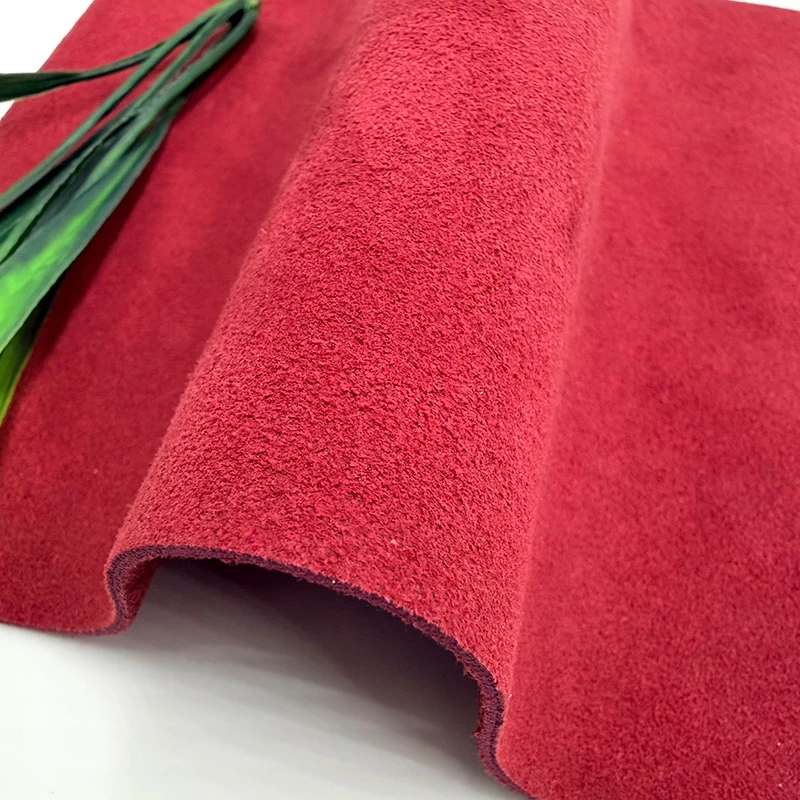
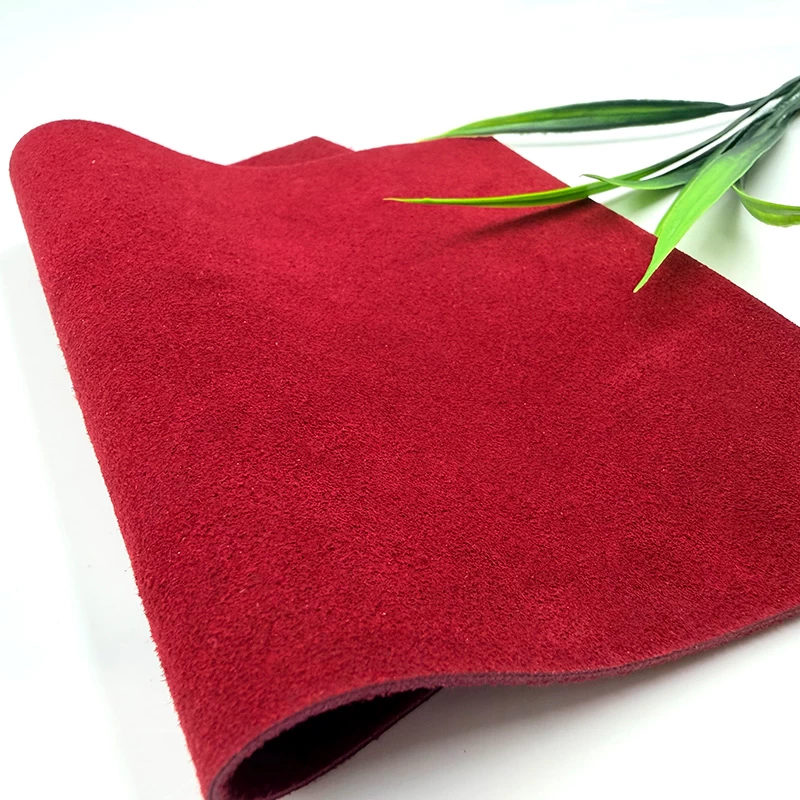
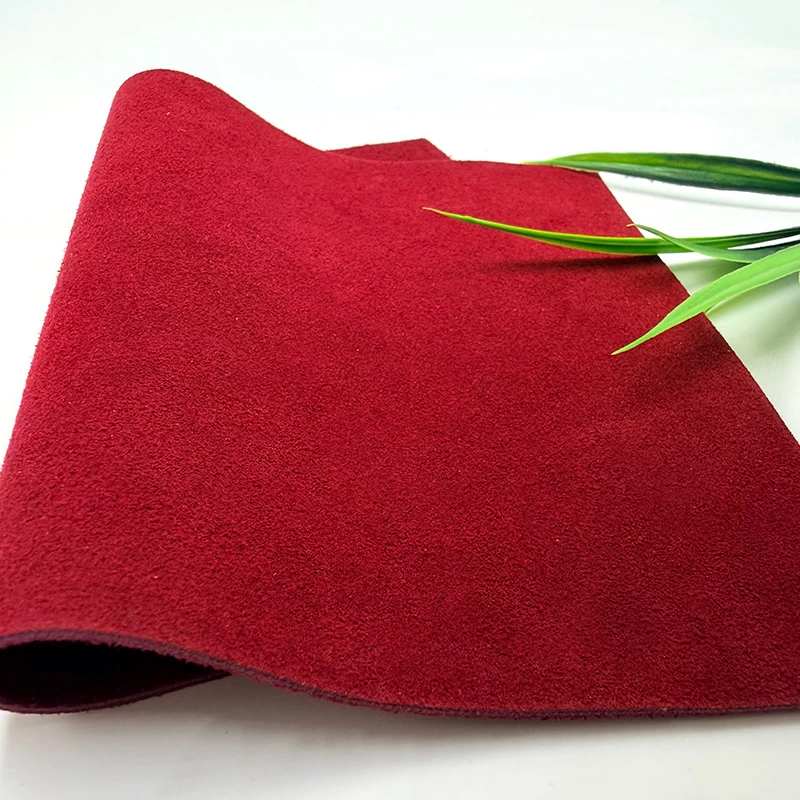
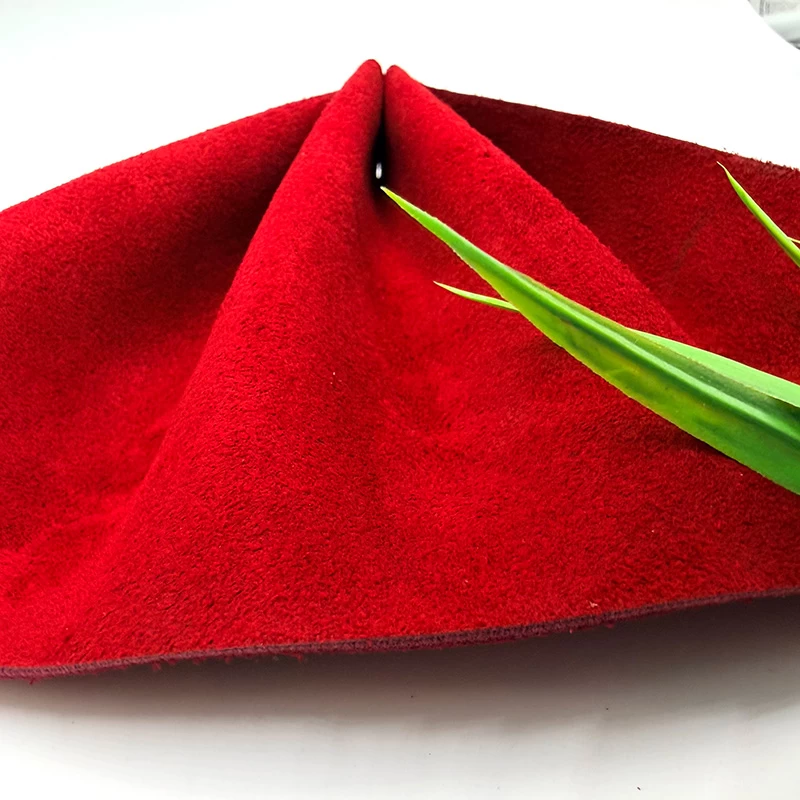
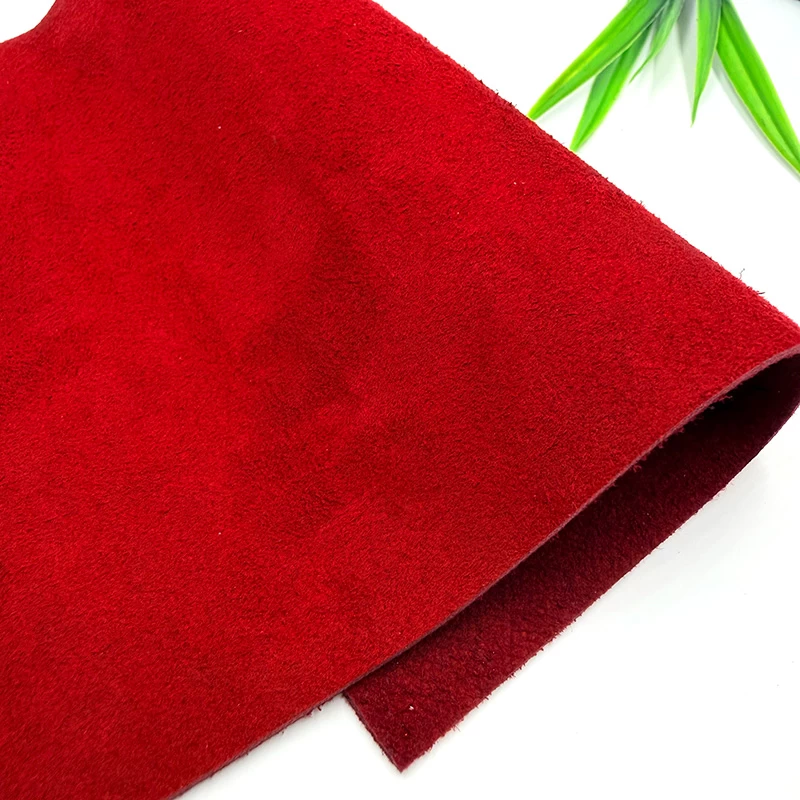
Before delving into the recycling process, it is essential to understand what nubuck leather is. Nubuck is a type of top-grain leather that has been sanded or buffed on the grain side, resulting in a soft, velvety texture. It is made from the hides of various animals, with cowhide being the most common source. The finishing process gives nubuck its distinctive look and feel, making it a popular choice for high-end fashion items, footwear, and upholstery.
### The Problem with Traditional Leather Production
While nubuck leather is revered for its aesthetics and durability, traditional leather production poses significant environmental challenges. The tanning process used to convert raw hides into leather often involves toxic chemicals, including chromium salts, which can pollute water sources and soil. Additionally, the livestock industry is a leading contributor to greenhouse gas emissions and deforestation. As a result, the demand for sustainable alternatives has led to innovative approaches in leather manufacturing.
## The Birth of Recycled Bull Nubuck Leather
Recycled bull nubuck leather begins its journey with the collection of waste materials from the leather industry. These materials can include offcuts, scraps, and leftover pieces from production that would otherwise end up in landfills. The process of recycling these materials not only reduces waste but also lessens the environmental impact associated with new leather production.
### Collection and Sorting
The first step in the recycling process involves collecting bull hides that are deemed unsuitable for traditional use due to imperfections, defects, or size limitations. These hides can come from various sources, including tanneries and manufacturers. Once collected, the hides are sorted based on their quality and characteristics, ensuring that only the best materials are selected for the recycling process.
### Cleaning and Preparation
After sorting, the hides undergo a thorough cleaning process to remove any impurities, dirt, or residual chemicals. This step is crucial in preparing the leather for recycling and ensuring that the final product retains its quality. The cleaned hides are then cut into manageable sizes and prepared for further processing.
### Grinding and Blending
The next stage involves grinding the prepared leather into small particles. This process creates a uniform material that can be easily blended with other components. Depending on the desired characteristics of the final product, the ground leather may be mixed with natural adhesives, fibers, or other eco-friendly materials. This blending process is essential for achieving the right texture and durability in the final recycled nubuck leather.
### Pressing and Finishing
Once the materials are blended, the mixture is pressed into sheets or rolls. These sheets can then be treated to achieve the signature nubuck finish. This involves sanding the surface to create the soft, velvety texture that defines nubuck leather. Depending on the manufacturer, additional treatments may be applied to enhance water resistance, color, and overall durability.
## The Environmental Benefits
The journey from waste to wardrobe through recycled bull nubuck leather offers numerous environmental benefits. By utilizing existing materials rather than producing new leather, this process significantly reduces resource consumption, including water and energy. It also minimizes the need for harmful chemicals associated with traditional leather production.
### Reducing Waste
One of the most significant advantages of recycling bull nubuck leather is its potential to reduce waste. The leather industry generates vast amounts of scrap and offcuts, which can contribute to environmental degradation if not managed properly. By repurposing these materials, manufacturers can divert waste from landfills and reduce their overall environmental footprint.
### Lowering Carbon Emissions
The recycling process of bull nubuck leather also helps lower carbon emissions associated with traditional leather production. Since recycled materials are used, there is less reliance on livestock farming, which is a major contributor to greenhouse gases. Additionally, the energy required for recycling is typically lower than that needed for producing new leather, further reducing emissions.
### Promoting Circular Fashion
The rise of recycled materials, including bull nubuck leather, aligns with the principles of circular fashion. This concept emphasizes the importance of designing products that can be reused, recycled, or repurposed at the end of their life cycle. By incorporating recycled leather into fashion collections, brands can promote sustainability while offering consumers stylish and eco-friendly options.
## The Fashion Forward
As consumers become more conscious of their purchasing decisions, the fashion industry is responding by embracing sustainability. Recycled bull nubuck leather is making waves in various segments of the market, from high-end luxury brands to accessible fashion lines.
### High-End Luxury
Several luxury brands have begun integrating recycled nubuck leather into their collections, showcasing the material's versatility and elegance. Items made from recycled leather, such as handbags, shoes, and jackets, offer consumers the opportunity to indulge in luxury while supporting sustainable practices. The use of recycled materials in high fashion demonstrates that sustainability and style can coexist.
### Accessible Fashion
Beyond luxury brands, many accessible fashion labels are also adopting recycled bull nubuck leather. This trend allows consumers at all price points to participate in sustainable fashion. By offering stylish and affordable products made from recycled materials, these brands help raise awareness about the importance of sustainability in the fashion industry.
## Challenges and Future Directions
Despite the many benefits of recycled bull nubuck leather, several challenges remain. One major hurdle is consumer perception. Many individuals still associate recycled materials with lower quality or inferior craftsmanship. Educating consumers about the value and durability of recycled leather is essential for overcoming this stigma.
### Innovation in Recycling Technology
Continued innovation in recycling technology is vital for the growth of recycled bull nubuck leather. Advances in processing methods, such as better grinding techniques and improved blending processes, can enhance the quality of the final product. Additionally, developing new eco-friendly treatments can further expand the possibilities for recycled leather.
### Building a Sustainable Supply Chain
To fully realize the potential of recycled bull nubuck leather, brands must work towards building a transparent and sustainable supply chain. This includes collaborating with tanneries, manufacturers, and retailers to ensure that sustainable practices are upheld throughout the entire production process.
## Conclusion
The journey of recycled bull nubuck leather from waste to wardrobe exemplifies the transformative power of sustainability in the fashion industry. By repurposing waste materials, we can create beautiful, high-quality products that not only enhance our wardrobes but also contribute to a healthier planet. As consumers continue to prioritize sustainability, the demand for recycled materials like bull nubuck leather will likely grow, paving the way for a more eco-conscious future in fashion. Through innovation, education, and collaboration, the fashion industry can lead the charge toward a more sustainable and circular economy, proving that style and sustainability can go hand in hand.