# Exploring the Benefits of Non-Woven Flocking in Textile Applications
In recent years, the textile industry has witnessed a significant transformation with the advent of innovative materials and techniques. One such development is non-woven flocking, a process that offers a plethora of benefits for various textile applications ranging from fashion to automotive interiors. This article delves into the advantages of non-woven flocking, examining its properties, applications, and the technologies that enhance its functionality in today's market.
## Understanding Non-Woven Flocking
Non-woven flocking refers to a textile finishing technique wherein small fibers are applied to a substrate (base material) using an adhesive. These fibers, often made from synthetic materials like nylon or polyester, create a soft, velvety surface that is aesthetically pleasing while also providing functional benefits. The flocking process can be applied to various materials, including fabrics, plastics, and even paper.
### Key Characteristics of Non-Woven Flocking
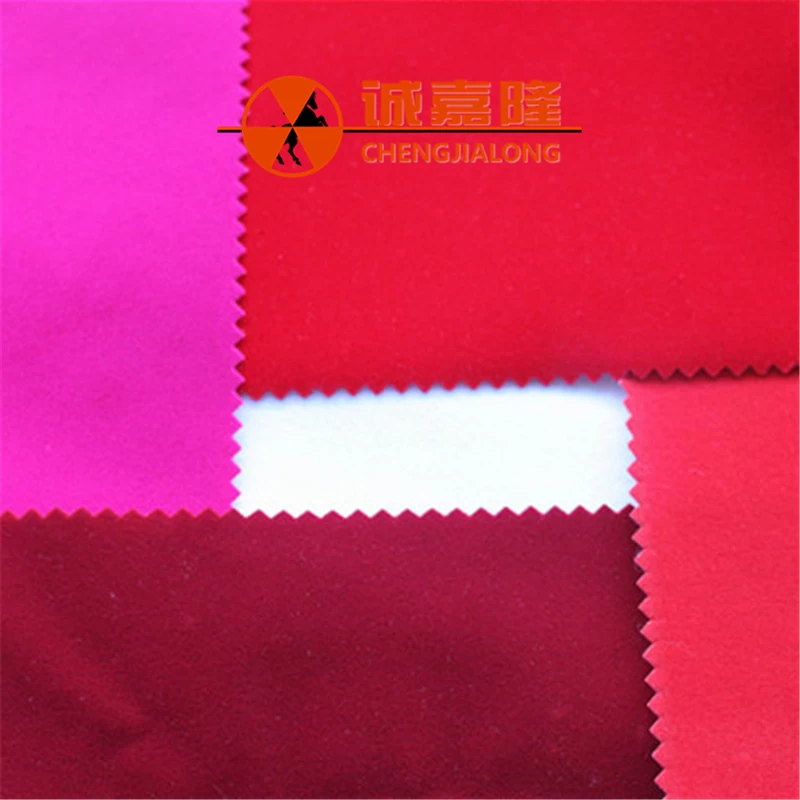
1. **Soft Texture**: The most distinguishable feature of flocked materials is their soft, plush texture. This characteristic makes them ideal for applications where comfort is paramount, such as upholstery, clothing, and accessories.
2. **Visual Appeal**: The vibrant colors and luxurious appearance of flocked surfaces enhance the aesthetic value of products. By applying different colored fibers, manufacturers can achieve various visual effects, catering to diverse consumer preferences.
3. **Durability**: Non-woven flocking adds an additional layer of protection to the substrate, improving its durability. Flocked materials are often resistant to wear and tear, making them suitable for high-traffic areas.
4. **Versatility**: The adaptability of non-woven flocking allows it to be used in numerous applications, ranging from fashion to automotive and home décor. This versatility enables designers and manufacturers to explore creative avenues in product development.
5. **Eco-Friendly Options**: As sustainability becomes a focal point in manufacturing, some non-woven flocking processes have adopted eco-friendly materials and adhesives, reducing the environmental impact of textile production.
## Applications of Non-Woven Flocking
Non-woven flocking has found its way into various sectors, showcasing its versatility and functionality. Here are some prominent applications:
### 1. Fashion and Apparel
In the fashion industry, non-woven flocking is leveraged to create eye-catching garments and accessories. From luxurious dresses to chic handbags, the velvety texture of flocked fabrics appeals to consumers seeking comfort and style. Designers can experiment with bold colors and patterns, adding dimension to their creations while ensuring that the garments are not only visually striking but also comfortable to wear.
### 2. Automotive Interiors
The automotive sector has embraced non-woven flocking for its ability to enhance interiors. Flocked materials are often used for dashboard coverings, door panels, and headliners. The soft texture contributes to a more luxurious feel, while the added durability ensures that these components can withstand the rigors of daily use. Additionally, flocking can help reduce noise levels within the vehicle, enhancing the overall driving experience.
### 3. Home Décor
Non-woven flocking is increasingly popular in home décor applications. From wall coverings to upholstery, flocked fabrics can transform a space into a stylish and inviting environment. The ability to incorporate various colors and textures allows homeowners and interior designers to create unique looks that reflect personal tastes. Flocked textiles can also be used for curtains, cushions, and throws, providing both comfort and aesthetic appeal.
### 4. Packaging
Packaging is another area where non-woven flocking is making waves. Flocked packaging materials not only protect products but also provide a premium unboxing experience. Luxury brands, in particular, utilize flocked inserts and boxes to elevate their products' perceived value. The tactile sensation of flocked surfaces creates a memorable experience for customers, reinforcing brand loyalty.
### 5. Crafts and DIY Projects
The craft industry has seen a surge in the popularity of non-woven flocking. Crafters can easily apply flocked finishes to a variety of projects, including scrapbooking, card making, and home décor crafts. The ease of use and availability of flocked materials in various colors make them an appealing choice for DIY enthusiasts looking to add texture and depth to their creations.
## Advantages of Non-Woven Flocking in Textile Applications
### 1. Enhanced Aesthetic Qualities
One of the primary benefits of non-woven flocking is its ability to enhance the aesthetic qualities of textiles. The soft texture and vibrant colors create a visually stunning product that captures consumer attention. Whether used in fashion, home décor, or automotive applications, flocked materials elicit a sense of luxury and sophistication.
### 2. Improved Comfort
Comfort is a crucial factor in any textile application, and non-woven flocking excels in this regard. The soft, plush surface provides a pleasant tactile experience for users, making flocked fabrics ideal for clothing, upholstery, and accessories. This comfort factor is particularly important in industries like fashion and home furnishings, where consumers prioritize both style and comfort.
### 3. Increased Durability
The flocking process enhances the durability of the substrate, making it more resistant to wear and tear. This increased durability is particularly beneficial in high-traffic areas, such as automotive interiors and upholstery. By investing in flocked materials, manufacturers can create products that stand the test of time, reducing the need for frequent replacements.
### 4. Diverse Design Possibilities
Non-woven flocking opens up a world of design possibilities. Manufacturers can experiment with various colors, patterns, and textures to create unique products that cater to diverse consumer preferences. This versatility not only allows for greater creativity but also enables brands to differentiate themselves in a competitive market.
### 5. Eco-Friendly Innovations
As sustainability becomes increasingly crucial in manufacturing practices, the non-woven flocking industry is evolving to meet these demands. Many manufacturers are exploring eco-friendly materials and adhesives, contributing to greener textile production. By choosing sustainable flocking options, brands can appeal to environmentally conscious consumers and enhance their corporate social responsibility initiatives.
## The Technological Aspect of Non-Woven Flocking
The advancements in technology have significantly improved non-woven flocking processes, resulting in higher quality products and more efficient production methods. Here are some noteworthy innovations:
### 1. Digital Printing Techniques
Digital printing technology has revolutionized the way designers can apply flocking patterns. This innovation allows for intricate designs and customization, enabling brands to create unique products that resonate with their target audience. As digital printing continues to evolve, the possibilities for flocked textiles will expand even further.
### 2. Automated Flocking Systems
Automation has streamlined the flocking process, increasing efficiency and reducing production costs. Automated systems ensure consistent application of fibers, leading to higher quality products with fewer defects. This technology also enables manufacturers to respond quickly to market demands, producing smaller batches of customized items as needed.
### 3. Advanced Adhesive Technologies
The development of advanced adhesive technologies has enhanced the effectiveness of non-woven flocking. New formulations offer improved bonding capabilities, ensuring that the flocked fibers adhere securely to the substrate. This advancement not only contributes to the durability of the final product but also expands the range of materials that can be effectively flocked.
## Conclusion
Non-woven flocking represents a versatile and innovative solution in the textile industry, offering a multitude of benefits across various applications. Its soft texture, aesthetic appeal, durability, and eco-friendly innovations make it an attractive option for manufacturers and consumers alike. As technology continues to advance, the potential for non-woven flocking will expand, paving the way for exciting developments in textiles. Whether in fashion, automotive, home décor, or packaging, non-woven flocking is poised to play a significant role in shaping the future of textile applications.
As we move forward, embracing the advantages of non-woven flocking will not only enhance product offerings but also contribute to a more sustainable and innovative textile industry.