# Comparing Non-woven Flocking with Traditional Flocking Methods
In the realm of textile and material engineering, the methods by which we apply fibers to surfaces have evolved significantly over the years. Among these techniques, flocking stands out as a favored option for various applications, ranging from automotive interiors to fashion accessories. This article seeks to compare non-woven flocking with traditional flocking methods, exploring their respective processes, advantages, disadvantages, and applications.
## Understanding Flocking
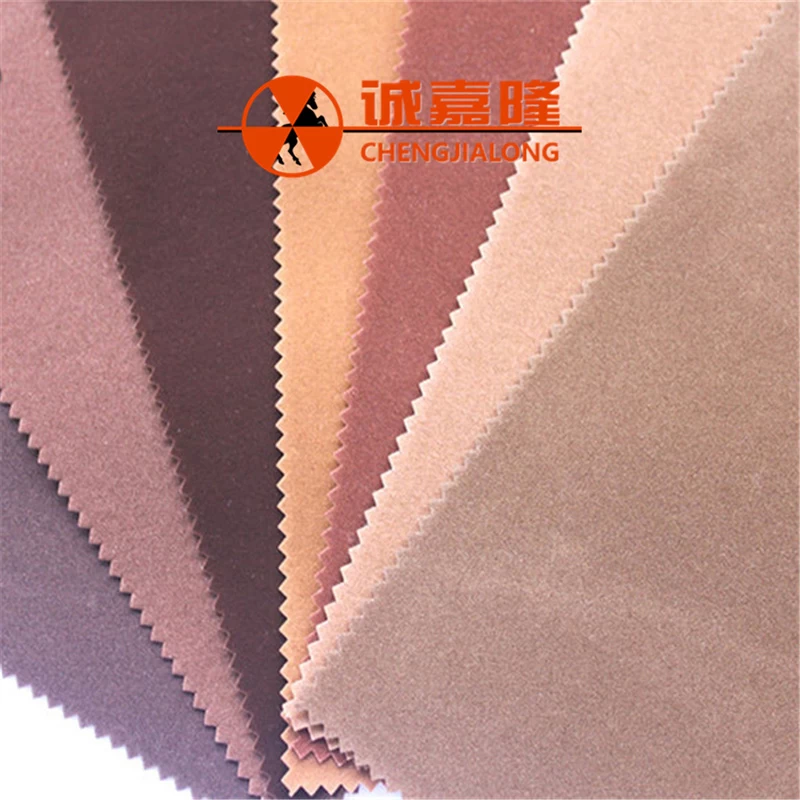
Flocking is a process that involves adhering small fiber particles, known as "flock," to a surface, creating a velvety texture. This technique can be utilized on a range of materials, including textiles, paper, plastics, and metals. The primary objective of flocking is to enhance the aesthetic appeal and tactile quality of a product while also improving its functional properties.
### Traditional Flocking Methods
Traditional flocking methods have been employed for decades. They typically involve several steps:
1. **Preparation of the Substrate**: The surface to be flocked must be clean and dry. Any contaminants can affect adhesion.
2. **Application of Adhesive**: A layer of adhesive is applied to the substrate. This can be done using various methods, such as spraying, rolling, or brushing.
3. **Flock Application**: Once the adhesive is in place, the flock is applied. This is often done using an electrostatic process that charges the fibers, causing them to stand upright and adhere to the adhesive-coated surface.
4. **Curing**: After the flock is applied, the adhesive must cure to ensure strong bonding between the flock and the substrate.
5. **Finishing**: Additional treatments may be applied, such as trimming excess fibers or applying protective coatings.
#### Advantages of Traditional Flocking
- **Versatility**: Traditional flocking can be applied to various substrates, making it suitable for diverse applications.
- **Durability**: When properly executed, traditional flocking results in a robust finish that can withstand wear and tear.
- **Aesthetic Appeal**: The end product often has a rich, textured appearance, enhancing its visual attractiveness.
#### Disadvantages of Traditional Flocking
- **Labor-Intensive**: The multiple steps involved in traditional flocking can make it a time-consuming process.
- **Environmental Concerns**: The adhesive used may contain volatile organic compounds (VOCs), raising environmental concerns.
- **Limited Flexibility**: Adjustments in design or color can be challenging once the flocking process is underway.
## Non-woven Flocking
Non-woven flocking is a relatively newer method that has gained traction due to advancements in technology and materials. This method utilizes non-woven fabrics as the substrate for flocking, offering unique benefits.
### Process of Non-woven Flocking
The non-woven flocking process shares some similarities with traditional methods but introduces key differences:
1. **Use of Non-woven Substrate**: Instead of conventional woven fabrics, non-woven substrates are used, which can be made from various materials like polyester, polypropylene, or rayon.
2. **Adhesive Application**: Similar to traditional methods, an adhesive is applied to the non-woven fabric, but the application techniques can vary based on the substrate's properties.
3. **Electrostatic Flocking**: The flock is applied using electrostatic methods, where charged fibers adhere to the adhesive coating.
4. **Heat Setting**: In some cases, heat is applied to set the fibers in place, ensuring a strong bond without compromising the flexibility of the non-woven substrate.
#### Advantages of Non-woven Flocking
- **Enhanced Flexibility**: Non-woven flocking allows for greater flexibility in design, making it easier to produce complex shapes and patterns.
- **Lightweight**: Non-woven fabrics are generally lighter than woven options, making them ideal for applications where weight is a concern.
- **Eco-friendly Options**: Many non-woven fabrics can be produced from recycled materials, aligning with sustainability goals.
#### Disadvantages of Non-woven Flocking
- **Potential Durability Issues**: Non-woven fabrics may not always match the durability of traditional woven options, depending on the material used.
- **Cost Considerations**: While non-woven flocking can lower production costs in some cases, the initial investment in specialized equipment may be high.
## Comparison of Applications
Both traditional and non-woven flocking methods find use across various industries, but their applications can differ based on the specific attributes of each method.
### Automotive Industry
In the automotive sector, traditional flocking has long been used for interior components, including dashboards and door panels. The durability and finish provided by traditional flocking make it a reliable choice for high-wear areas.
Conversely, non-woven flocking is increasingly being utilized for lightweight automotive parts, such as headliners and insulation panels. Its flexibility allows for intricate designs that can enhance both aesthetics and functionality.
### Fashion and Accessories
Within the fashion industry, flocking adds texture and depth to clothing and accessories. Traditional flocking is often employed in high-end fashion items, providing a luxurious feel. On the other hand, non-woven flocking enables designers to experiment with unconventional shapes and styles, appealing to a younger demographic.
### Home Furnishings
Flocking is popular in home decor, with applications ranging from upholstery to wallpaper. Traditional flocking is favored for high-quality finishes, while non-woven flocking offers cost-effective solutions for mass-produced products.
## Conclusion
In summary, both non-woven and traditional flocking methods offer unique advantages and drawbacks. Traditional flocking remains a trusted choice for applications requiring durability and high aesthetic value. In contrast, non-woven flocking provides flexibility, lightweight properties, and eco-friendly options, appealing to a modern audience.
As industries continue to evolve, the choice between these two methods will depend on specific project requirements, including budget, desired aesthetics, and environmental considerations. Understanding the nuances of each method will empower manufacturers, designers, and consumers alike to make informed decisions in their respective fields.
In the dynamic world of textiles, the battle between tradition and innovation is ongoing. Whether you lean towards the classic reliability of traditional flocking or the fresh potential of non-woven flocking, one thing is certain: both methods will continue to play a crucial role in shaping the future of material design and application.