# Applications of Non-Woven Flocking in Fashion and Textiles
Non-woven flocking has emerged as a revolutionary technique in the fashion and textiles industry, offering unique applications that enhance both aesthetic appeal and functionality. By utilizing cutting-edge technology, designers and manufacturers are able to create innovative products that stand out in a crowded market. This article delves into the various applications of non-woven flocking in fashion and textiles, exploring its benefits, techniques, and potential future developments.
## Understanding Non-Woven Flocking
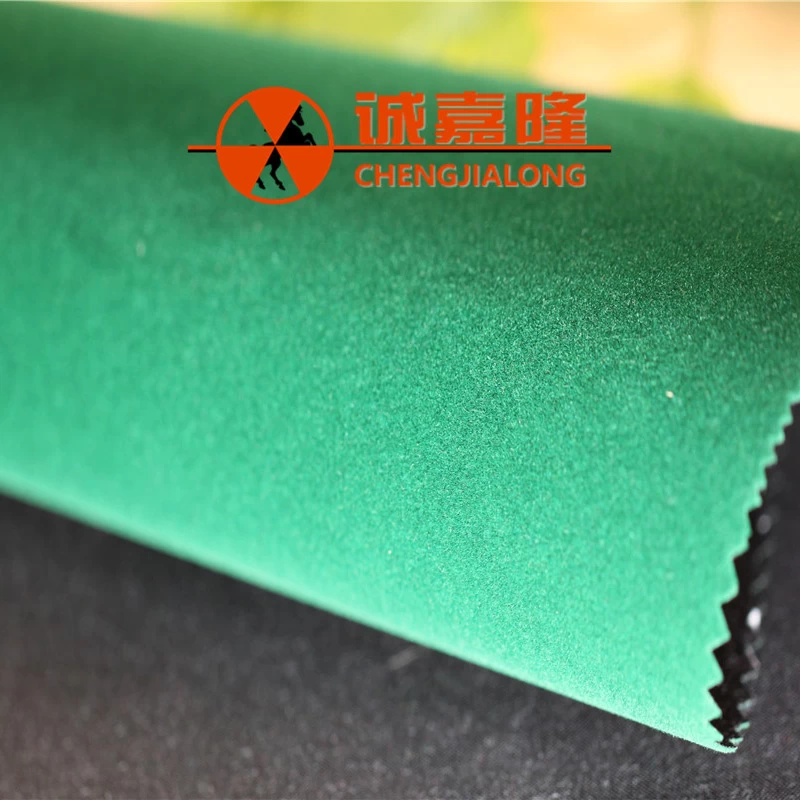
Before we delve into its applications, it’s essential to understand what non-woven flocking entails. Non-woven fabrics are made from fibers that are bonded together through various means, such as chemical, mechanical, or thermal processes, rather than being woven. Flocking involves applying short fibers, known as "flocks," to a surface to create a soft, velvety texture. This technique not only adds visual interest but also enhances the tactile quality of the fabric.
### The Process of Flocking
The flocking process generally involves several steps:
1. **Preparation of the Base Material**: The base fabric, typically a non-woven substrate, is prepared by ensuring it has the right texture and surface properties to allow for effective adhesion of the flock fibers.
2. **Application of Adhesive**: An adhesive layer is applied to the surface of the base material. This can be done using various methods, including screen printing or spraying.
3. **Flock Application**: Flock fibers, which can be made from materials like nylon, polyester, or viscose, are then applied using an electrostatic method or a mechanical process. This helps ensure that the fibers adhere uniformly to the adhesive-coated surface.
4. **Curing**: The final step involves curing the adhesive to ensure that the flock fibers are securely bonded to the base fabric.
## Applications in Fashion Design
### 1. Apparel
One of the most common applications of non-woven flocking is in apparel design. Flocked fabrics are increasingly used for clothing items, providing a unique texture that distinguishes them from traditional fabrics. The soft, plush feel of flocked garments makes them comfortable to wear while also allowing for creative expression through color and pattern. Designers often use flocking in tops, dresses, jackets, and accessories, leveraging its versatility to create statement pieces.
### 2. Footwear
In the footwear sector, non-woven flocking has found its place in both casual and formal shoes. The technique allows for the incorporation of intricate designs and textures that enhance the overall aesthetic of the footwear. Flocked materials can provide a luxurious look and feel, making them popular choices for high-end brands. Moreover, flocking can also improve grip and comfort, particularly in insoles, where a soft texture can enhance the wearer's experience.
### 3. Accessories
Fashion accessories such as bags, hats, and scarves have also benefited from the flocking technique. Flocked fabrics can add dimension and depth to these items, making them visually appealing. For example, a handbag with flocked detailing can elevate its design, attracting more customers who seek unique, stylish pieces. Additionally, flocking can be applied to embellishments, such as patches or logos, further enhancing the accessory's appeal.
## Applications in Textile Production
### 1. Upholstery
Non-woven flocking is not limited to fashion alone; it has significant applications in upholstery as well. The soft, textured surface of flocked fabrics makes them ideal for furniture, curtains, and other home textile products. Flocked upholstery not only adds aesthetic value but also provides durability and ease of cleaning, making it suitable for high-traffic areas.
### 2. Home Décor
Beyond upholstery, flocking is used in various home décor applications, including wall coverings and decorative linens. Flocked wallpapers, for instance, can create a rich, tactile background that adds warmth and character to a room. Similarly, flocked tablecloths and bed linens offer an inviting and luxurious feel, enhancing the overall ambiance of living spaces.
### 3. Automotive Textiles
In the automotive industry, non-woven flocking plays a vital role in creating interiors that combine comfort with style. Flocked materials are used in car seats, headliners, and dashboard coverings, providing a soft touch that enhances the driving experience. Moreover, the aesthetic versatility of flocking allows automotive designers to incorporate a wide range of colors and patterns, catering to different consumer preferences.
## Benefits of Non-Woven Flocking
### 1. Aesthetic Versatility
One of the primary advantages of non-woven flocking is its aesthetic versatility. Designers can experiment with various colors, textures, and patterns, allowing for endless creative possibilities. This flexibility enables brands to differentiate their products and cater to diverse consumer tastes.
### 2. Enhanced Comfort
Flocked fabrics are renowned for their soft, plush texture, which significantly enhances comfort. This feature is particularly important in apparel and upholstery applications, where tactile experience is crucial for customer satisfaction.
### 3. Durability
Non-woven flocking contributes to the durability of fabrics, making them resistant to wear and tear. The adhesive used in the flocking process ensures that the fibers remain securely attached, prolonging the lifespan of the product.
### 4. Easy Maintenance
Flocked fabrics are generally easy to clean, as many types are resistant to stains and can be wiped down with a damp cloth. This is particularly beneficial in applications such as upholstery and automotive textiles, where maintenance is a priority.
## Future Trends in Non-Woven Flocking
As technology advances, the applications of non-woven flocking are expected to expand even further. Here are some potential trends to look out for:
### 1. Sustainable Materials
With growing consumer demand for sustainable products, the industry may see a shift toward using eco-friendly materials in the flocking process. Organic fibers or recycled materials could become prevalent, aligning with the sustainability goals of many brands.
### 2. Smart Textiles
The integration of technology into textiles is on the rise, and non-woven flocking could play a role in the development of smart fabrics. Imagine clothing that changes color based on temperature or mood, achieved through innovative flocking techniques.
### 3. Customization
As personalization continues to trend in the fashion industry, flocking could enable customizable textures and designs. Consumers may have the option to choose specific flock patterns or colors for their garments, enhancing their individuality.
### 4. Expansion into New Markets
Beyond fashion and home textiles, non-woven flocking could find applications in various industries, including healthcare and sportswear. For instance, flocked fabrics could be used in medical garments that require both comfort and functionality.
## Conclusion
The applications of non-woven flocking in fashion and textiles are vast and varied, offering exciting opportunities for designers and manufacturers alike. From apparel and footwear to upholstery and home décor, the benefits of flocking—such as aesthetic versatility, enhanced comfort, and durability—make it an attractive choice for a wide range of products. As technology evolves and consumer preferences shift, the future of non-woven flocking promises even more innovative applications, contributing to a dynamic and ever-evolving industry. Embracing this technique will enable brands to stay competitive and meet the demands of a discerning market.