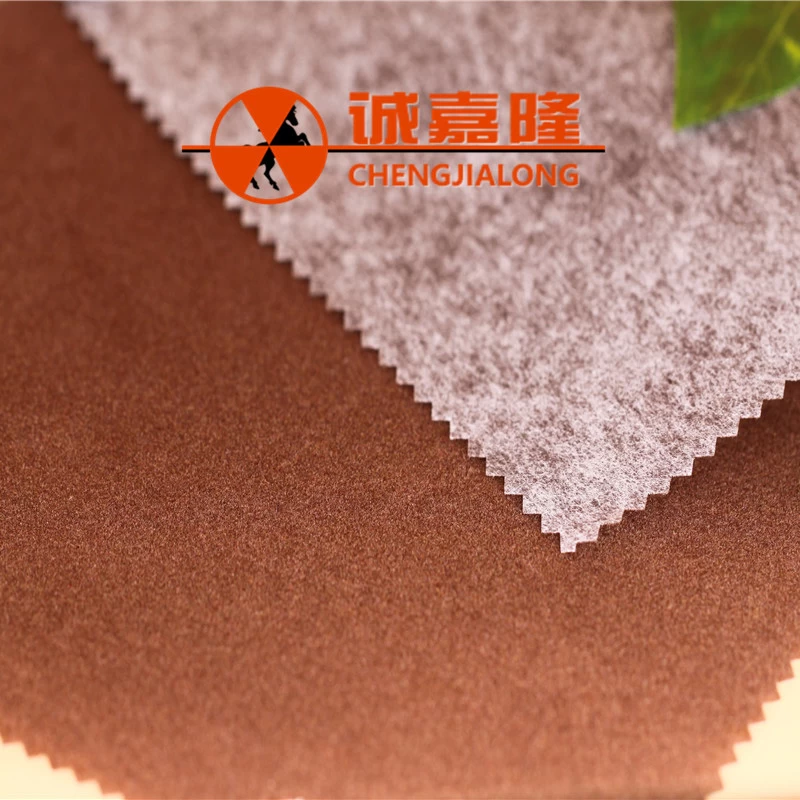
# A Comprehensive Guide to Non-woven Flocking Techniques
In an era where textile innovation is at the forefront of design and functionality, non-woven flocking techniques have emerged as a critical component in various industries. From fashion and automotive to home décor and packaging, flocking provides not only aesthetic appeal but also enhances tactile experiences and functional attributes. This comprehensive guide delves into the intricacies of non-woven flocking techniques, exploring their applications, benefits, processes, and future trends.
## Understanding Non-woven Textiles
Before diving into flocking techniques, it is essential to understand what non-woven textiles are. Unlike traditional woven or knitted fabrics made from yarns, non-woven textiles are manufactured directly from fibers. These fibers are bonded together through mechanical, thermal, or chemical processes, resulting in a fabric that offers unique advantages such as cost-effectiveness, versatility, and specific functional properties.
### Applications of Non-woven Flocking
Non-woven flocking techniques are utilized across a vast array of applications. Some notable examples include:
1. **Fashion**: Flocking adds a soft, velvety texture to garments, enhancing their visual appeal and tactile quality. It is commonly seen in clothing, accessories, and footwear.
2. **Automotive Industry**: Flocked materials are used for interior components, including dashboards and trims. The flocking process improves aesthetics while providing noise dampening and scratch resistance.
3. **Home Décor**: Flocking is popularly employed in wall coverings, upholstery, and decorative elements to create rich textures and patterns.
4. **Packaging**: Flocked surfaces provide a luxurious feel to packaging materials, making them ideal for high-end products.
5. **Toys and Crafts**: Flocked materials are often used in crafting and toy production, offering a soft touch and vibrant colors.
## Benefits of Non-woven Flocking Techniques
The flocking process provides numerous benefits, making it a preferred choice for various applications:
- **Aesthetic Appeal**: Flocking adds depth and richness to surfaces, enhancing visual interest and elegance.
- **Tactile Experience**: The soft feel of flocked surfaces elevates the user experience, making products more pleasant to touch and use.
- **Customization**: Flocking can be easily customized with different colors, patterns, and textures, allowing brands to create distinctive looks.
- **Durability**: Flocked surfaces often exhibit enhanced durability against wear and tear, extending the lifespan of products.
- **Cost-Effectiveness**: Non-woven flocking techniques can be less costly compared to traditional textile methods, especially for bulk production.
## The Flocking Process: Techniques and Methods
The flocking process involves several steps, each contributing to the final product's texture and quality. Below, we explore the primary techniques used in non-woven flocking.
### 1. Surface Preparation
Before flocking can begin, the substrate (the base material) must be prepared. This may involve cleaning and priming the surface to enhance adhesion. For optimal results, substrates should be smooth and free of contaminants.
### 2. Application of Adhesive
The next step is applying an adhesive to the prepared surface. Various types of adhesives can be used, including water-based, solvent-based, and hot melt adhesives, depending on the application requirements. The choice of adhesive significantly affects the flocking's performance and longevity.
### 3. Flock Application
Flock fibers, typically made from nylon, polyester, or viscose, are applied to the adhesive-coated surface using one of the following methods:
#### a. Electrostatic Flocking
In electrostatic flocking, a high-voltage electric field is created, causing the flock fibers to stand upright and adhere to the substrate. This technique is highly efficient and allows for even distribution of the fibers, resulting in a uniform finish.
#### b. Mechanical Flocking
Mechanical flocking involves using a flocking machine that propels the fibers onto the adhesive surface using air pressure or vibration. This method is suitable for larger surfaces and can produce a thicker pile.
#### c. Spray Flocking
Spray flocking is similar to spray painting, where a mixture of adhesive and flock fibers is sprayed onto the substrate. This technique allows for creative designs and patterns but requires skilled application to ensure even coverage.
### 4. Curing
After the flock fibers are applied, the adhesive must be cured to securely bond the fibers to the substrate. Curing can be achieved through heat, UV light, or air drying, depending on the adhesive type used. Proper curing is crucial for ensuring durability and performance.
### 5. Finishing Touches
Finally, any excess fibers are removed, and the flocked surface may undergo additional treatments such as coating or lamination to enhance its properties. This could include adding water repellency, stain resistance, or UV protection.
## Quality Control in Flocking
Quality control is paramount in the flocking process. Several factors affect the final product's quality, including fiber length, density, adhesive type, and curing conditions. Manufacturers often employ testing methods to assess attributes such as adhesion strength, durability, and colorfastness. Consistent quality assurance ensures that the flocked products meet industry standards and customer expectations.
## Future Trends in Non-woven Flocking
As technology advances, the future of non-woven flocking techniques looks promising. Here are some trends to watch for:
### Sustainability
With growing environmental concerns, the textile industry is shifting towards sustainable practices. Innovations in biodegradable flock fibers and eco-friendly adhesives are emerging, allowing manufacturers to produce flocked products with a reduced environmental impact.
### Smart Textiles
The integration of smart technology into textiles is gaining traction. Flocked materials that incorporate sensors or conductive fibers open up possibilities for interactive and responsive designs, particularly in fashion and automotive applications.
### Customization and Personalization
As consumers increasingly seek unique, tailored products, customization in flocking will become more prevalent. Advances in digital printing and flocking techniques will enable brands to offer personalized designs and patterns, enhancing consumer engagement.
### Enhanced Functionality
Research and development in non-woven flocking will continue to focus on enhancing the functional properties of flocked materials. Innovations may include improved durability, moisture management, and antimicrobial properties, catering to diverse consumer needs.
## Conclusion
Non-woven flocking techniques represent a dynamic intersection of art and science in textile manufacturing. By understanding the intricacies of the flocking process and its myriad applications, industries can harness its potential to create visually stunning and functional products. As sustainability and technological advancements shape the future of flocking, the possibilities are limitless. Embracing these innovations will empower manufacturers to stay competitive while meeting the evolving demands of consumers.
In an ever-changing landscape, non-woven flocking remains a testament to creativity and ingenuity, providing endless opportunities for those willing to explore its depths. Whether you are a designer, manufacturer, or simply an enthusiast, grasping the fundamentals of non-woven flocking techniques will undoubtedly enhance your appreciation for this unique craft.